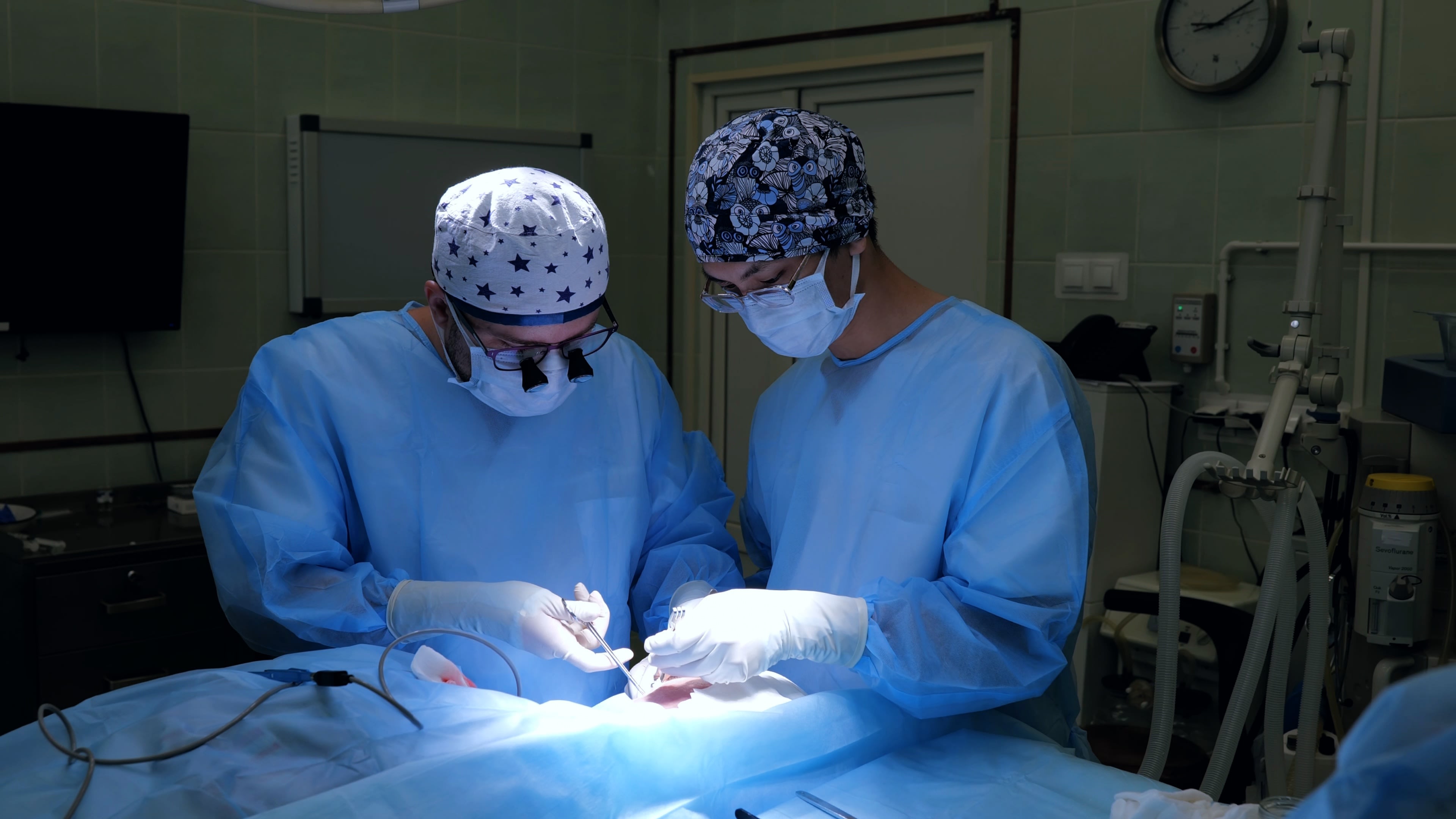
Clinical Scorecard: A Comprehensive Review of Clinical Trials Involving 3D Printing in Medicine
At a Glance
Category
Detail
Condition
Various medical conditions across multiple specialties utilizing 3D printing technology
Key Mechanisms
3D printing (3DP) technology applied for clinical decision-making, surgical planning, device fabrication, and educational purposes
Target Population
Patients enrolled in clinical trials across diverse medical fields including Orthopedics, Maxillofacial Surgery, Dentistry, Cardiology, and others
Care Setting
Clinical centers conducting trials worldwide, predominantly in hospital and surgical settings
Key Highlights
92 registered clinical trials involving 3DP with over 6,252 patients enrolled, showing rapid growth in clinical research since 2015
Most trials concentrated in Orthopedics (27.17%), Dentistry (14.13%), and Maxillofacial Surgery (10.87%), with China leading in number of studies
Current barriers to widespread adoption include high costs, segmentation difficulties, printing time, and lack of robust empirical evidence
Guideline-Based Recommendations
Diagnosis
Utilize 3DP models to enhance preoperative planning and improve anatomical understanding in complex cases
Management
Incorporate 3DP technology in surgical interventions primarily in Orthopedics, Maxillofacial Surgery, and Dentistry where evidence is emerging
Consider 3DP for patient-specific devices such as knee braces as investigated in multicenter trials
Monitoring & Follow-up
Track clinical trial outcomes to evaluate efficacy, safety, and cost-effectiveness of 3DP applications
Monitor enrollment and completion status of ongoing studies to inform future clinical practice
Risks
Recognize current limitations including segmentation challenges, high costs, and printing time that may impact clinical workflow
Acknowledge the lack of extensive randomized controlled trials limiting definitive conclusions on clinical utility
Patient & Prescribing Data
Patients enrolled in 3DP clinical trials across multiple specialties, predominantly Orthopedics, Dentistry, and Maxillofacial Surgery
Clinical trials are transitioning from feasibility studies to implementation and long-term evaluation phases, with results expected to clarify the clinical benefits and limitations of 3DP
Clinical Best Practices
Engage multidisciplinary teams to optimize 3DP integration in clinical workflows
Prioritize clinical trial participation to contribute to the growing evidence base
Address technical challenges such as segmentation and printing time to improve efficiency
Monitor emerging trial data to guide evidence-based adoption of 3DP technologies
Facial nerve disorders impact approximately 30 out of 100,000 adults in the U.S. annually. Common causes of damage to the facial nerve and subsequent facial paralysis include Bell’s palsy, cancerous tumors, acoustic neuromas and iatrogenic complications.
Researchers urge caution in interpreting joint replacement predictors, noting that surgery reflects access and decision-making as well as disease biology.