Clinical Scorecard: A Blockchain-Enhanced Dynamic Consent Model for Low-Dose CT Lung Cancer Screening: Focusing on Autonomy, Privacy, and Ethical Data Handling
At a Glance
Category
Detail
Condition
Lung Cancer Screening
Key Mechanisms
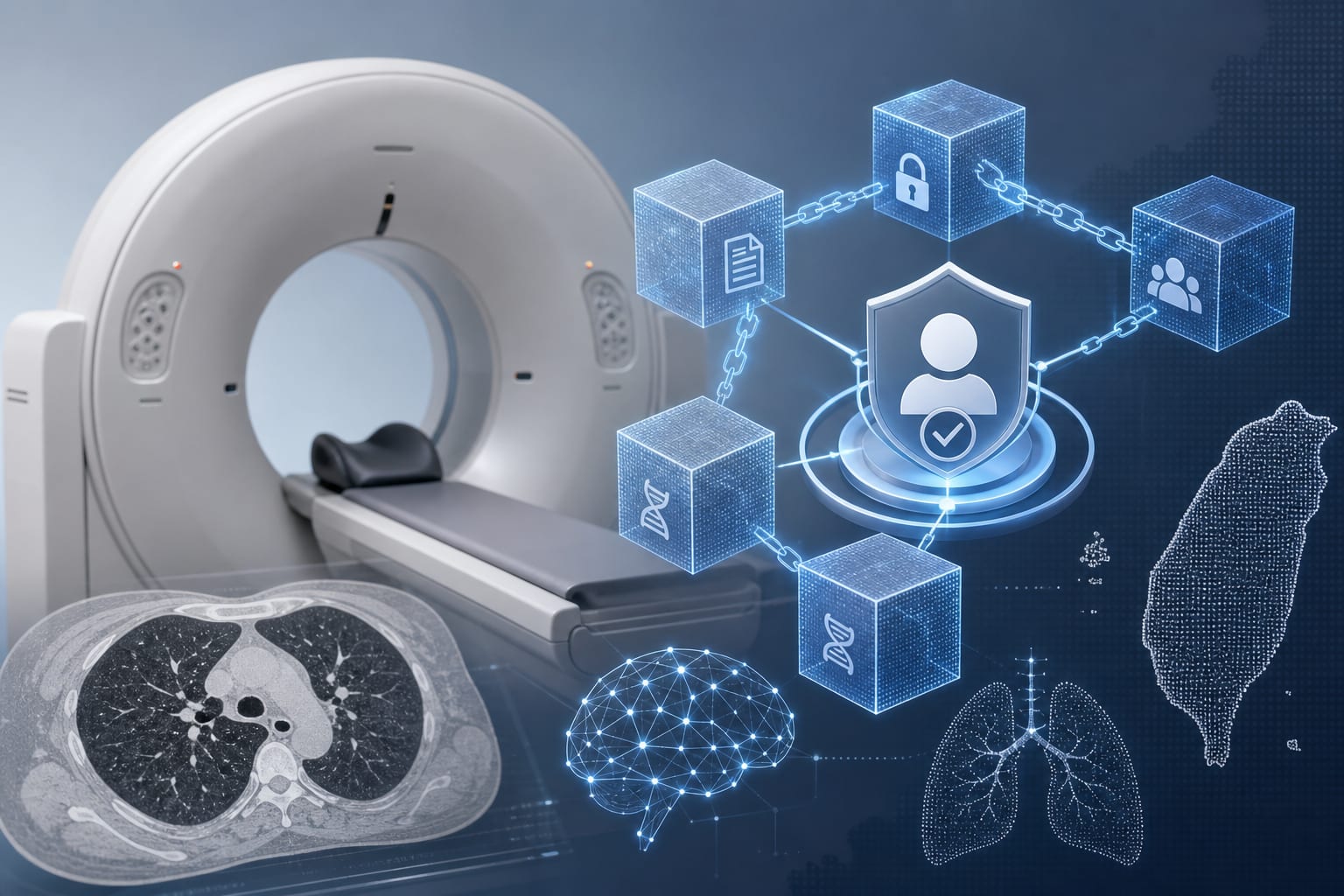
Blockchain-based dynamic consent framework integrated with AI for data management and risk assessment.
Target Population
Individuals at high risk for lung cancer, including those exposed to air pollution, tobacco use, and with a personal or family history of lung diseases.
Care Setting
Taoyuan Expanded Lung Cancer Screening Program
Key Highlights
Dynamic consent allows real-time modification and withdrawal of consent.
Blockchain technology enhances data traceability and security.
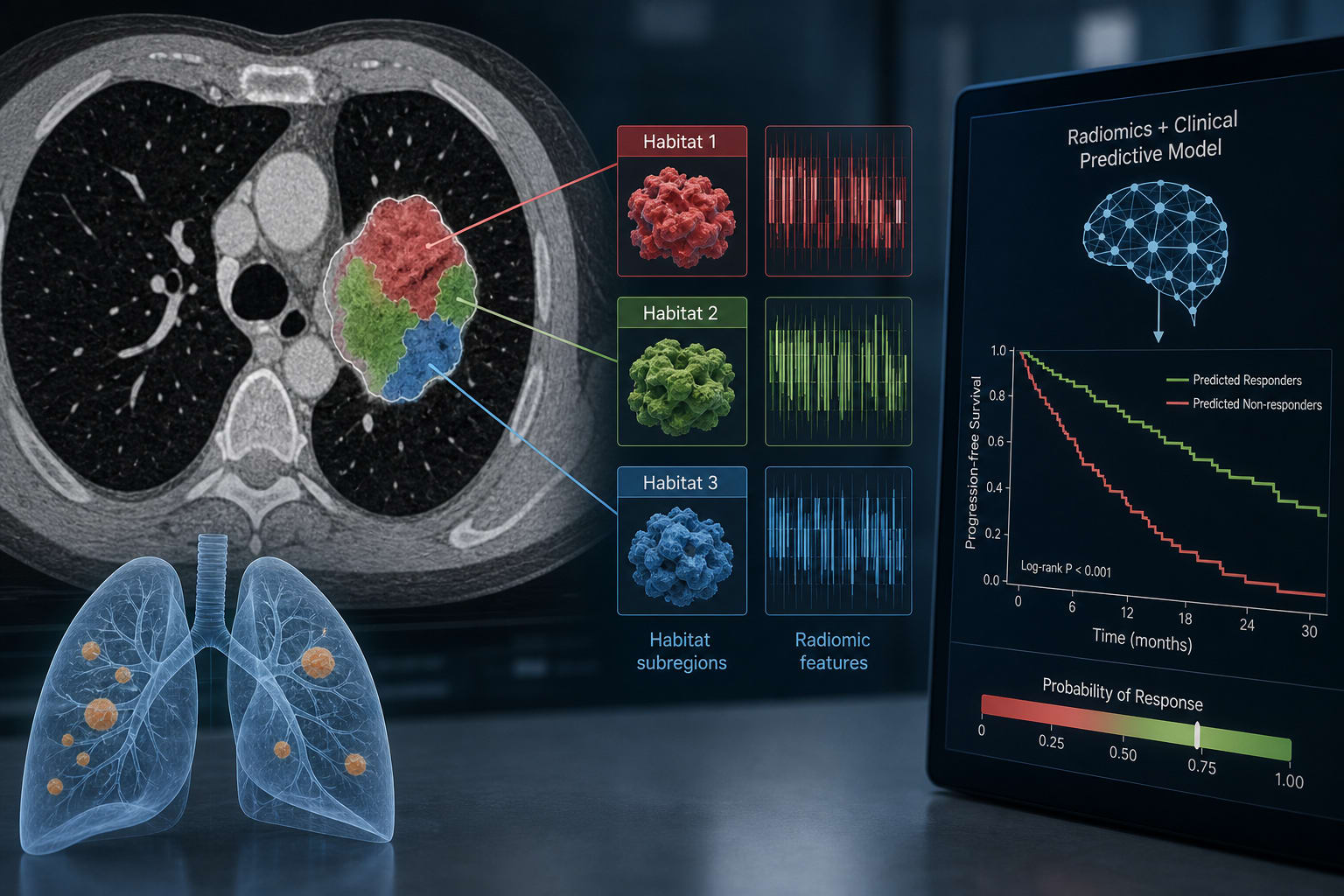
AI integration improves risk assessment and screening accuracy.
Pilot program targets 15,000 participants in Taoyuan, Taiwan.
Framework complies with Taiwan's Personal Data Protection Act.
Guideline-Based Recommendations
Diagnosis
Utilize Low-Dose Computed Tomography (LDCT) for early detection of lung cancer.
Management
Implement a dynamic consent framework to enhance participant autonomy and data handling.
Monitoring & Follow-up
Ensure compliance with legal and ethical standards through continuous consent management.
Risks
Address privacy concerns and data protection regulations associated with biobank data usage.
Patient & Prescribing Data
Participants in the Taoyuan Expanded Lung Cancer Screening Program.
Integration of biobank data with LDCT screening to enhance risk prediction and optimize resource allocation.
Clinical Best Practices
Incorporate AI-assisted risk assessment in lung cancer screening programs.
Utilize blockchain for secure and transparent data management.
Engage participants in the consent process through digital platforms.