Evaluation of visual ergonomics in microsurgery: a real-time video processing solution
By
Gaukhar Mukash
Paavo Vartianen
Mastaneh Torkamani-Azar
Zeynel Karadis
Mehdi Faraz
Roman Bednarik
Pasi A. Karjalainen
Matti Iso-Mustajärvi
Ahmed Hussein
November 5, 2025
Clinical Scorecard: Assessment of Visual Ergonomics in Microsurgical Procedures: A Solution Utilizing Real-Time Video Processing
At a Glance
Category Detail
Condition Visual ergonomic challenges during microsurgery Key Mechanisms Narrow field of view, reduced depth perception, instrument obstruction, limited visual clues, manual adjustments interrupting workflow Target Population Neurosurgeons, neurosurgery residents, and medical students performing microsurgeries Care Setting Operating rooms utilizing surgical microscopes and minimally invasive surgical devices
Key Highlights
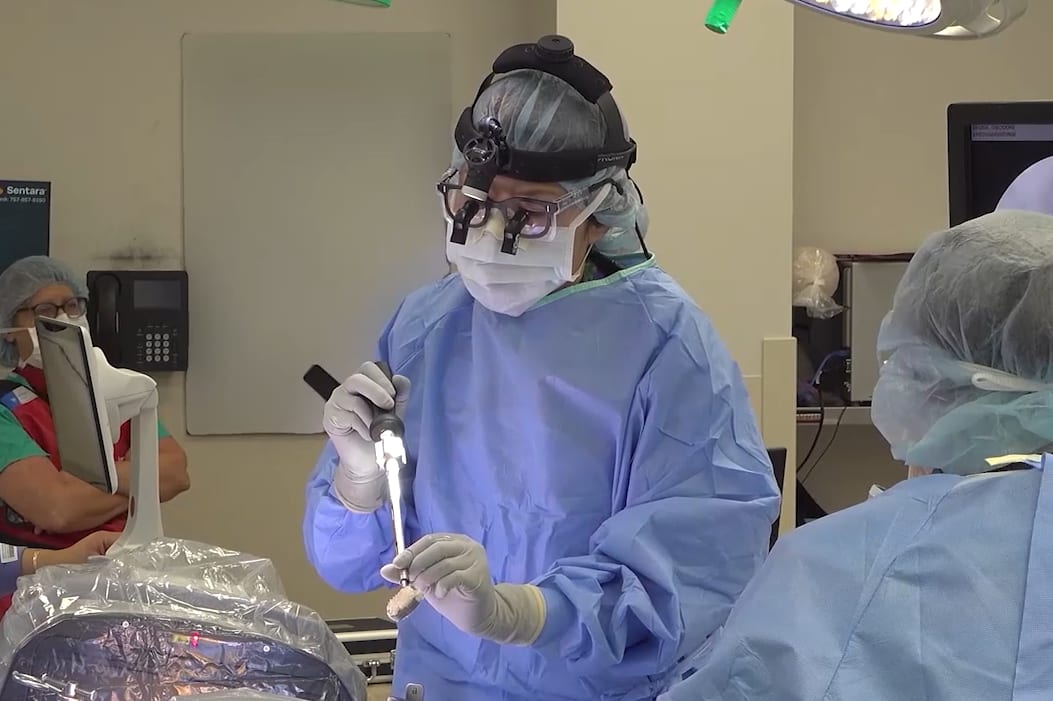
Visual ergonomics in microsurgery is challenged by limited field of view, depth perception issues, and instrument obstruction. Current surgical microscopes require manual adjustments that disrupt surgical flow and increase cognitive workload. A novel solution combining multi-camera images with real-time processing can expand the visual field and reduce instrument obstruction. Guideline-Based Recommendations
Diagnosis
Assess visual ergonomic challenges through structured questionnaires and interviews with neurosurgeons. Identify common visual difficulties such as reduced depth perception and frequent workflow interruptions. Management
Implement advanced visualization solutions combining images from multiple cameras to create expanded views. Use instrument transparency or subtraction techniques to reduce visual obstruction in the operating field. Incorporate real-time image processing to minimize manual adjustments of focus, magnification, and positioning. Monitoring & Follow-up
Evaluate surgeon performance and workflow interruptions using simulated surgical tasks comparing conventional and enhanced visualization setups. Gather user feedback on feasibility and usability of visualization features in real-world microsurgical settings. Risks
High magnification may distort depth perception leading to potential surgical errors. Frequent switching between zoom levels increases cognitive workload and error risk. Patient & Prescribing Data
Patients undergoing neurosurgical microsurgical procedures requiring precise visualization
Enhanced visualization techniques may improve surgical precision and reduce workflow interruptions, potentially improving patient outcomes.
Clinical Best Practices
Train surgeons in fine motor skills and eye-hand coordination to manage visual ergonomic challenges. Utilize built-in microscope features such as zooming and focusing judiciously to balance magnification and contextual awareness. Adopt multi-camera setups with real-time image processing to provide expanded and unobstructed surgical views. Engage surgeons in iterative feedback during development and evaluation of visualization solutions. References