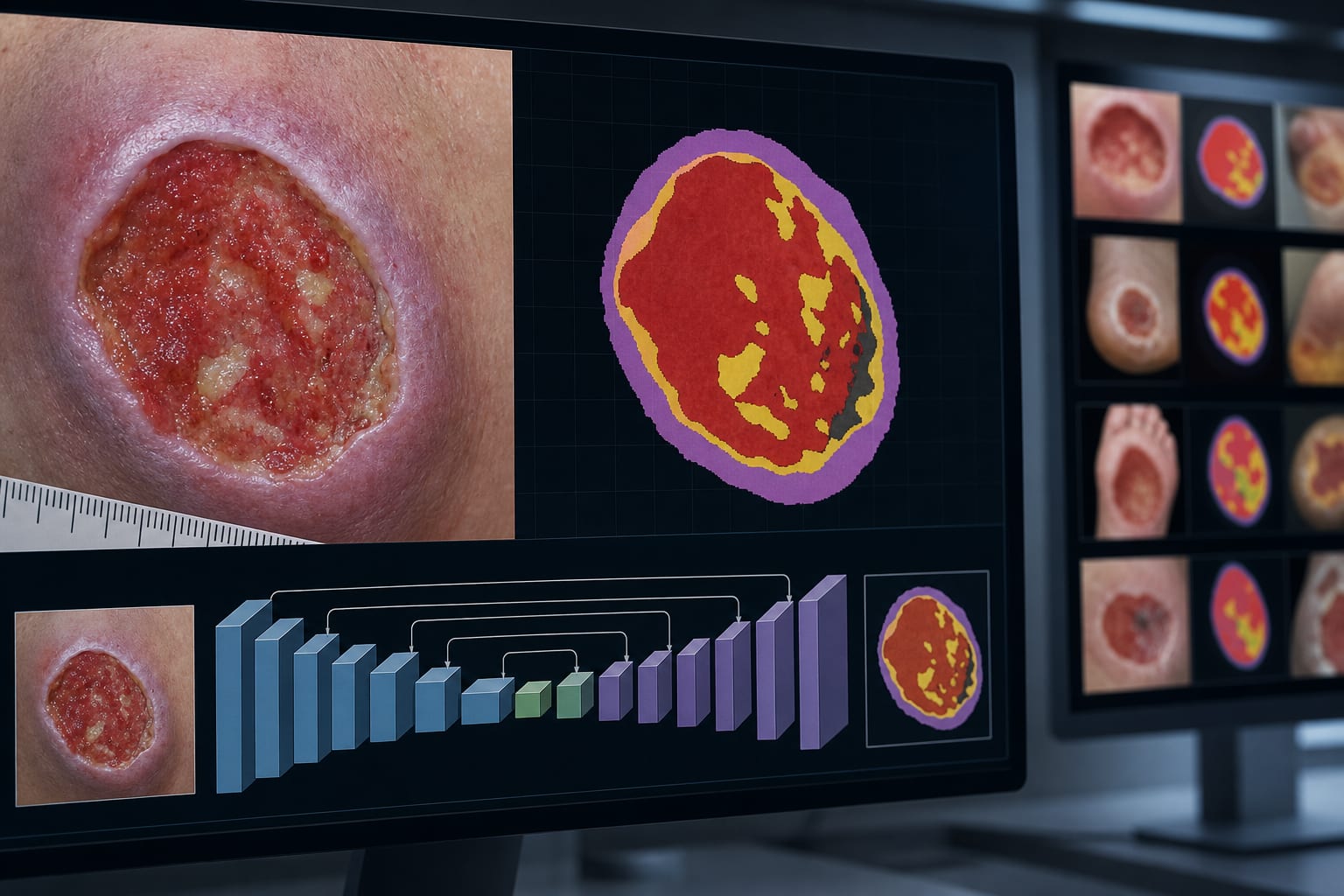
Transcriptomic Analysis of a Diabetic Porcine Model for Wound Healing Reveals Critical Pathways in Metabolism, Inflammation, and Oxidative Stress
By
Joshua T. McCune
Mariah G. Bezold
Jeffrey M. Davidson
C. Henrique Serezani
Rebecca S. Cook
Craig L. Duvall
July 1, 2026
Clinical Scorecard: Transcriptomic Analysis of a Diabetic Porcine Model for Wound Healing Reveals Critical Pathways in Metabolism, Inflammation, and Oxidative Stress
At a Glance
Category Detail
Condition Diabetic Foot Ulcers (DFUs) Key Mechanisms Metabolic dysfunction, inflammation, oxidative stress Target Population Diabetic patients, particularly those with chronic wounds Care Setting Research and clinical studies involving diabetic wound healing
Key Highlights
Diabetic wounds show significant delays in closure and re-epithelialization compared to non-diabetic wounds. Distinct gene expression profiles identified in diabetic wounds, with 1015 differentially expressed genes. Upregulation of immune-related genes and oxidative stress markers in diabetic wounds. Porcine models provide relevant insights due to anatomical and physiological similarities to human skin. Increased immune cell infiltration and dysregulated inflammation observed in diabetic wounds. Guideline-Based Recommendations
Diagnosis
Confirm diabetes through hyperglycemia indicators and clinical symptoms. Management
Utilize appropriate animal models for studying diabetic wound healing. Monitoring & Follow-up
Assess wound healing progress through digital planimetry and histological examination. Risks
High rates of lower limb amputation and increased mortality associated with DFUs. Patient & Prescribing Data
Diabetic individuals with foot ulcers
Current therapies may be inadequate; further research needed on effective treatments.
Clinical Best Practices
Employ porcine models for more accurate representation of human diabetic wound healing. Monitor inflammatory markers and oxidative stress in wound assessments. Related Resources & Content