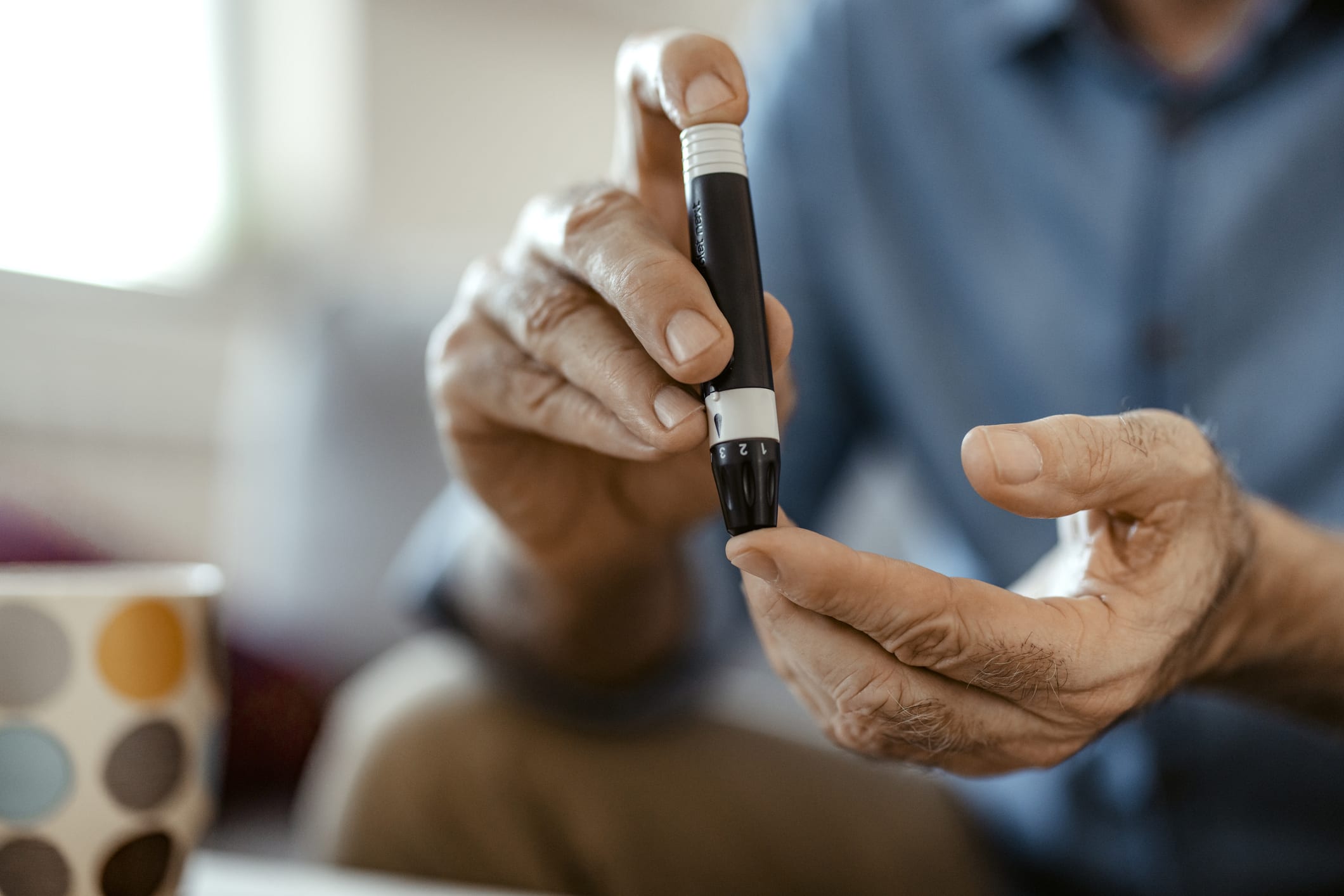
A Systematic Review of Evidence on Telemedicine Utilization in General Practice
-
By
-
Philip Marahrens
-
Alexander Waschkau
-
Ida Wagner Josefsson
-
Kristian Kidholm
-
Jost Steinhäuser
-
April 24, 2026
-
Clinical Scorecard: A Systematic Review of Evidence on Telemedicine Utilization in General Practice
At a Glance
| Category | Detail |
|---|
| Condition | Telemedicine in General Practice (including chronic and acute conditions) |
| Key Mechanisms | Asynchronous (e.g., email) and synchronous (e.g., video calls) communication for health data transfer |
| Target Population | Patients with chronic and acute somatic diseases |
| Care Setting | General practice |
Key Highlights
- Over 50% of studies showed positive clinical outcomes with telemedicine.
- 80% of studies involved asynchronous applications.
- 95% of studies had a follow-up period of 12 months or less, indicating potential limitations in long-term efficacy.
- Focus primarily on chronic diseases like diabetes, hypertension, and heart failure.
- No significant worsening of outcomes attributed to telemedicine.
Guideline-Based Recommendations
Diagnosis
- Utilize telemedicine for chronic and acute disease management.
Management
- Incorporate both synchronous (e.g., video consultations) and asynchronous (e.g., messaging) telemedicine applications.
Monitoring & Follow-up
- Evaluate clinical outcomes and patient experiences regularly.
Risks
- Monitor for potential declines in care quality due to lack of evidence.
Patient & Prescribing Data
Patients with chronic and acute somatic diseases in general practice.
Telemedicine can effectively support management without significant adverse effects, utilizing tools like remote monitoring.
Clinical Best Practices
- Encourage the use of telemedicine for follow-ups and chronic disease management.
- Ensure clear communication channels for patient inquiries and support.
- Regularly assess the effectiveness and patient satisfaction with telemedicine services.
- Include patient education as a key component of telemedicine practices.
References