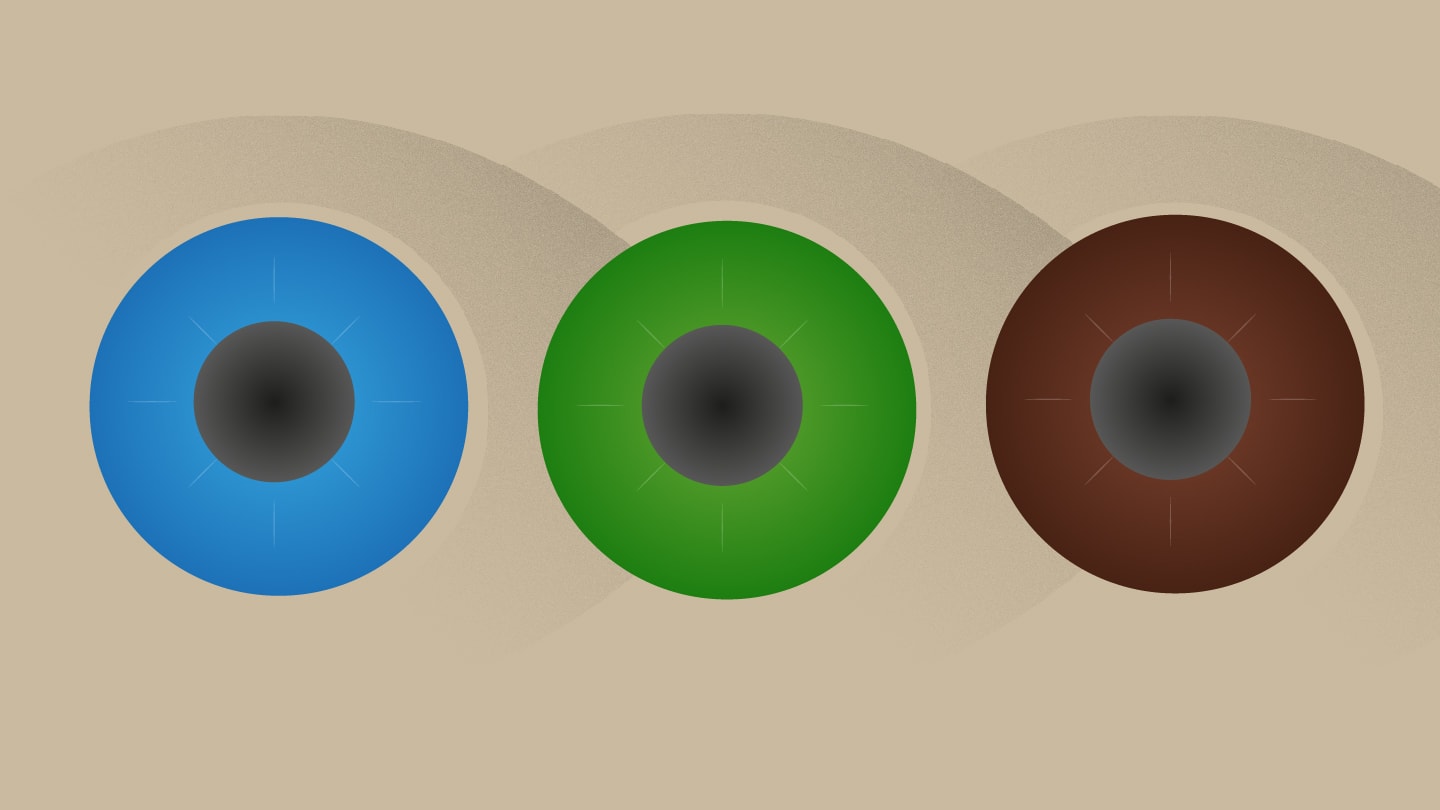
Does Iris Color Affect Atropine?
Meta-analysis examines whether iris color influences atropine 0.01% and 0.05% efficacy in myopia
Clinical Scorecard: Does Iris Color Affect Atropine?
At a Glance
| Category | Detail |
|---|
| Condition | Myopia management |
| Key Mechanisms | Atropine binding to melanin in the iris may influence therapeutic concentrations. |
| Target Population | Children aged 5–16 years with myopia |
| Care Setting | Ophthalmology clinics |
Key Highlights
- Low-dose atropine (0.01%) shows differing efficacy based on iris color.
- Children with non-brown irides experienced less myopia progression compared to placebo.
- No significant treatment effect observed in children with brown irides at 0.01% concentration.
- Atropine 0.05% showed no iris color-related differences in efficacy.
Guideline-Based Recommendations
Diagnosis
- Assess myopia progression in children aged 5–16 years.
Management
- Consider low-dose atropine for myopia management.
Monitoring & Follow-up
- Monitor myopia progression and treatment response.
Risks
- Potential for reduced efficacy of low-dose atropine in patients with darker irides.
Patient & Prescribing Data
Children with myopia, particularly those with varying iris colors.
Atropine 0.01% may be less effective in patients with brown irides; consider higher concentrations if response is limited.
Clinical Best Practices
- Evaluate iris color when prescribing atropine for myopia management.
Related Resources & Content