Exploring the Science Behind Color Adaptation
Novel filler architecture enhances blending across restorations.
-
By
-
Rafael Rocha Pacheco
-
July 1, 2026
-
Clinical Scorecard: Exploring the Science Behind Color Adaptation
At a Glance
| Category | Detail |
|---|
| Condition | Color Adaptation in Dentistry |
| Key Mechanisms | Interaction of light, object, and observer affecting color perception. |
| Target Population | Dental professionals involved in restorative dentistry. |
| Care Setting | Clinical dental practice |
Key Highlights
- Shade selection is influenced by light source, optical properties, and observer interpretation.
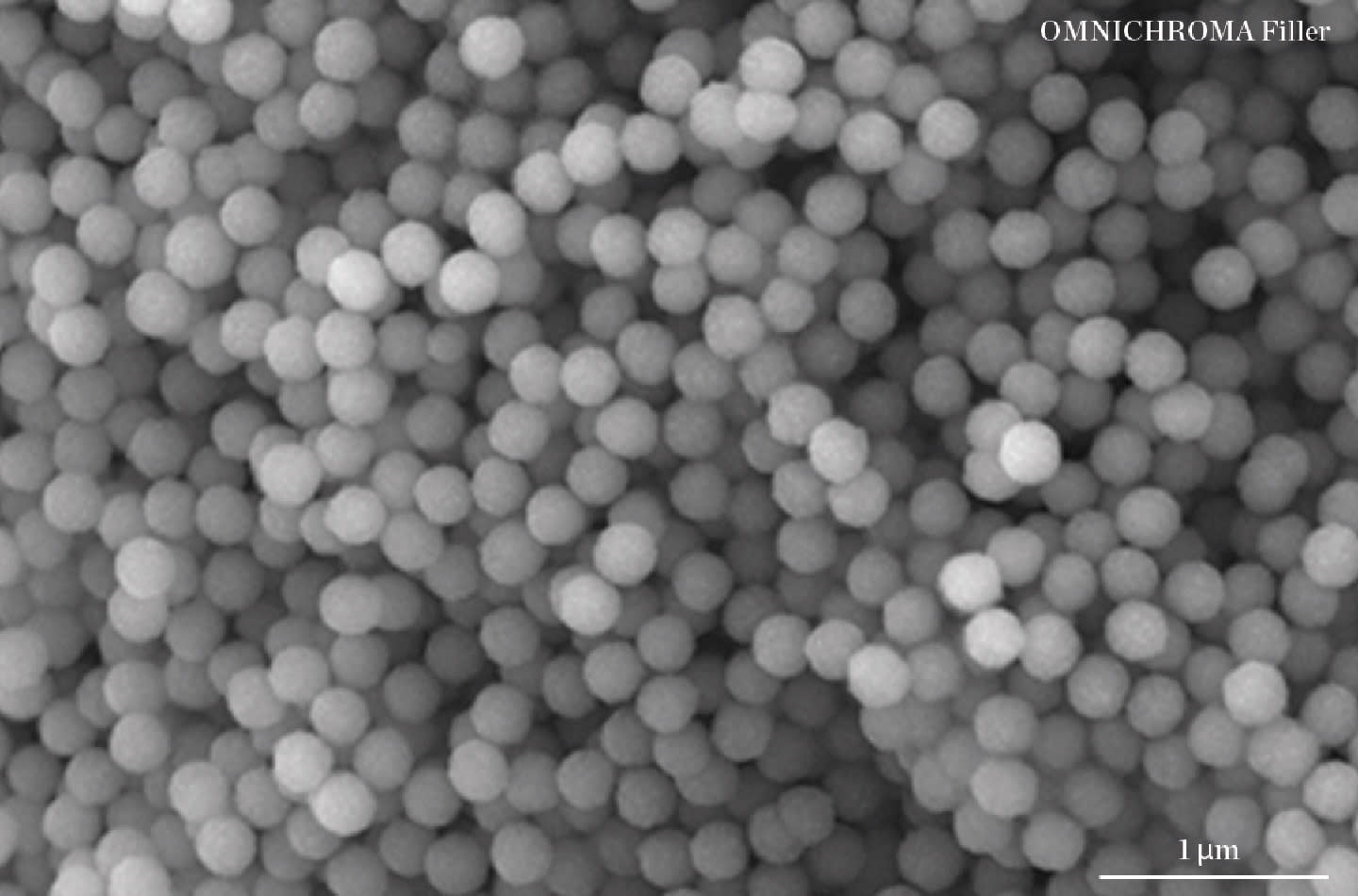
- OMNICHROMA adapts its color based on surrounding tooth structure through structural coloration.
- The material's performance is dependent on the substrate beneath it.
- Conventional composites use pigments, while OMNICHROMA utilizes wavelength-dependent scattering.
- The layering approach remains essential for optimal esthetic results.
Guideline-Based Recommendations
Diagnosis
- Assess the substrate color and condition before using OMNICHROMA.
Management
- Use OMNICHROMA for predictable color matching in everyday restorations.
Monitoring & Follow-up
- Evaluate the esthetic outcomes in various lighting conditions.
Risks
- Discolorations in the substrate may affect the final color adaptation.
Patient & Prescribing Data
Patients requiring restorative dental procedures.
OMNICHROMA simplifies workflow and enhances color matching in restorative dentistry.
Clinical Best Practices
- Consider using the BLOCKER opacifier for discolored substrates.
- Utilize a calibrated spectrophotometer for accurate color assessment.
- Combine different opacities and translucencies for optimal esthetics.
Related Resources & Content