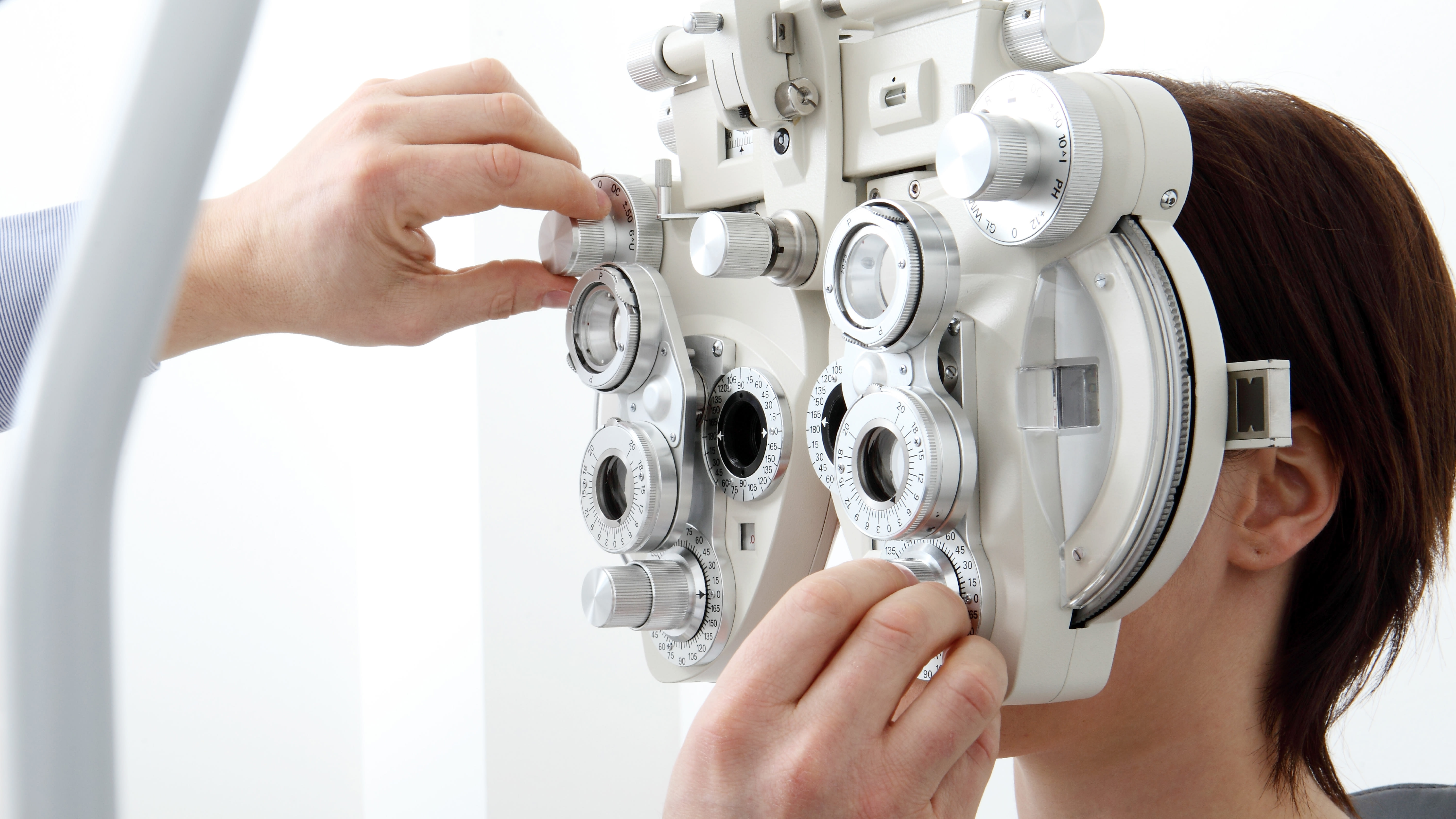
Use of soft contact lenses including silicone hydrogel, specialty lenses (torics, multifocals, scleral, custom soft, orthokeratology, hybrids)
Target Population
Contact lens wearers including children and teens for myopia control
Care Setting
Optometry and ophthalmology practices, including specialty contact lens fitting
Key Highlights
2025 saw slower global contact lens market growth (~4% y/y) compared to previous years due to macroeconomic uncertainty and purchasing behavior changes.
First spectacle lens for myopia control approved in the US in 2025, potentially altering standard of care for pediatric patients.
Silicone hydrogel lenses dominate fittings (66%), with increasing practitioner optimism for growth in daily disposables and specialty lenses in 2026.
Guideline-Based Recommendations
Diagnosis
Identify candidates for myopia control, especially children and teens.
Assess ocular surface disease for appropriate contact lens selection.
Management
Consider daily disposable lenses and specialty lenses (torics, multifocals, scleral) for improved patient outcomes.
Incorporate new spectacle lenses for myopia control as part of pediatric management.
Offer rebates and flexible purchasing options to encourage adherence.
Monitoring & Follow-up
Regularly monitor contact lens wearers for fit, comfort, and ocular health.
Track uptake and penetration rates of daily silicone hydrogel and specialty lenses.
Risks
Economic factors may influence patient purchasing behavior and adherence.
Potential challenges in transitioning established wearers to daily disposables.
Patient & Prescribing Data
Predominantly adult contact lens wearers with growing pediatric myopia control segment
Practitioners report 46% of patients wear contact lenses; 61% purchase lenses from practices, with increasing online purchases. Specialty lenses and daily disposables show growth potential.
Clinical Best Practices
Prioritize fitting silicone hydrogel lenses due to their prevalence and patient acceptance.
Emphasize specialty lens options such as scleral and custom soft lenses for complex cases.
Stay informed on new myopia control modalities including spectacle lenses.
Encourage patient adherence through flexible purchasing options and education.
Monitor market and practice trends to anticipate changes in patient preferences.