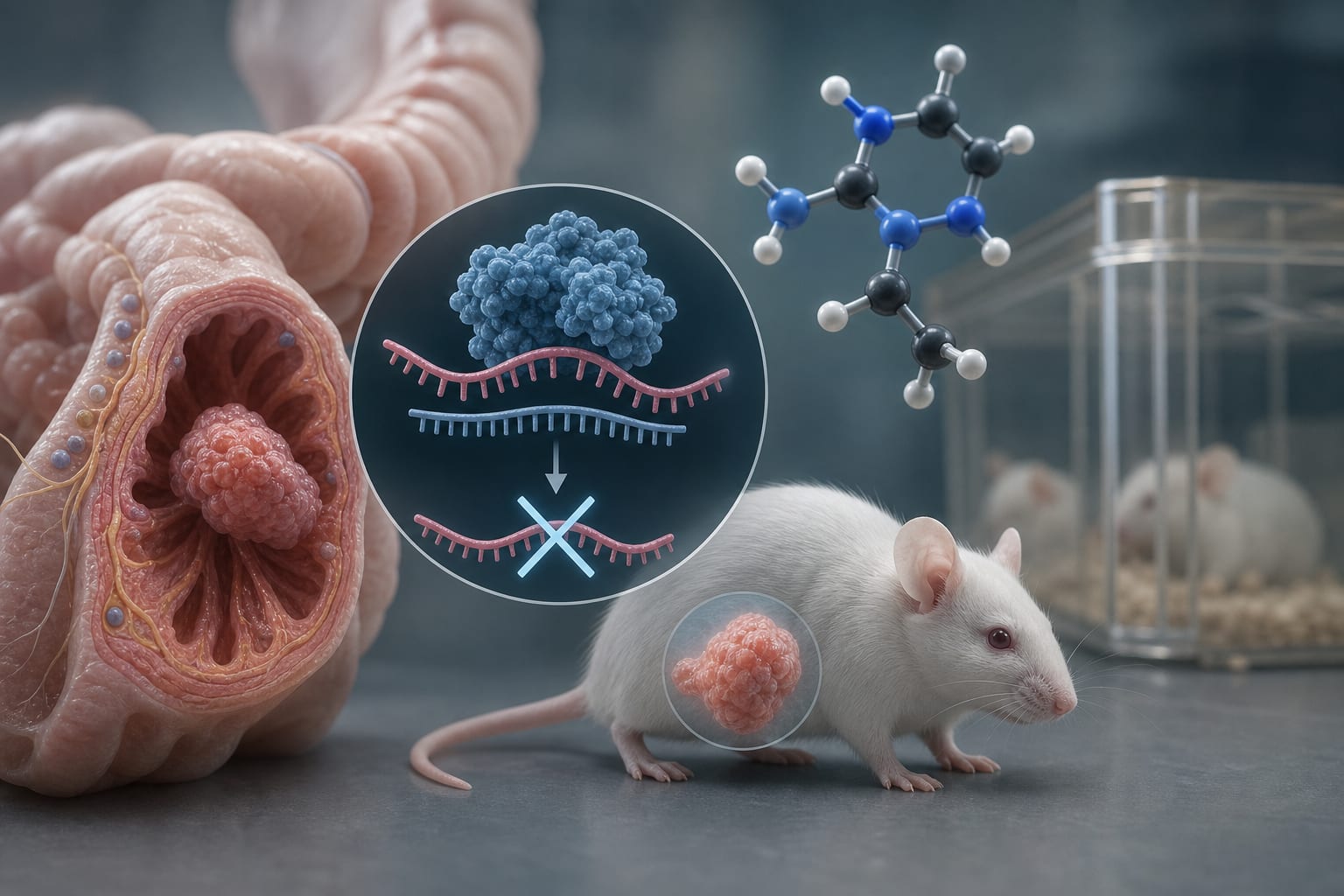
Metformin inhibits small intestinal neuroendocrine tumor growth in vivo
-
By
-
Fredrik Axling
-
Samuel Backman
-
Per Hellman
-
Olov Norlén
-
Elham Barazeghi
-
Peter Stålberg
-
June 25, 2026
-
Clinical Scorecard: Metformin Suppresses Growth of Small Intestinal Neuroendocrine Tumors in Animal Models
At a Glance
| Category | Detail |
|---|
| Condition | Small Intestinal Neuroendocrine Tumors (SI-NETs) |
| Key Mechanisms | Metformin's anticancer activity through modulation of miRNAs and inhibition of cell growth. |
| Target Population | Patients with small intestinal neuroendocrine tumors, particularly those with metastatic disease. |
| Care Setting | Preclinical research in animal models. |
Key Highlights
- SI-NETs are the most common tumors of the small intestine with high metastatic potential.
- Metformin has shown promise in reducing tumor growth in SI-NET models.
- Combination therapies with metformin and other treatments like lanreotide or everolimus are being explored.
- MicroRNAs may serve as biomarkers for predicting treatment response in neuroendocrine tumors.
- The study utilized xenograft models to assess the effects of metformin on tumor growth.
Guideline-Based Recommendations
Diagnosis
- Diagnosis of SI-NETs typically involves imaging and biopsy to confirm the presence of neuroendocrine cells.
Management
- Radical surgery is the only curative treatment for resectable SI-NETs.
Monitoring & Follow-up
- Tumor growth should be monitored using caliper measurements in preclinical studies.
Risks
- Metastatic disease is common at diagnosis, complicating treatment options.
Patient & Prescribing Data
Patients with small intestinal neuroendocrine tumors, especially those with metastases.
Metformin may be considered as part of a combination therapy approach in clinical trials.
Clinical Best Practices
- Consider the use of metformin in conjunction with standard treatments for SI-NETs in clinical trials.
- Monitor miRNA expression profiles to assess treatment response.
Related Resources & Content