Association between albuminuria and prevalent diabetic retinopathy in type 2 diabetes: a cross-sectional study with exploratory analysis by carotid plaque status - Scorecard - MDSpire
Advertisement
Association between albuminuria and prevalent diabetic retinopathy in type 2 diabetes: a cross-sectional study with exploratory analysis by carotid plaque status
Clinical Scorecard: Link Between Urinary Albumin Levels and Existing Diabetic Retinopathy in Type 2 Diabetes: A Cross-Sectional Study with Additional Insights Based on Carotid Plaque Presence
At a Glance
Category
Detail
Condition
Diabetic Retinopathy (DR)
Key Mechanisms
Microvascular injury and systemic vascular impairment associated with type 2 diabetes.
Target Population
Patients with type 2 diabetes of Southern Han Chinese ancestry.
Care Setting
Outpatient screening in endocrinology and metabolism clinics.
Key Highlights
18.9% of participants had diabetic retinopathy.
Higher urinary albumin-to-creatinine ratio (ACR) was associated with prevalent DR.
The association between ACR and DR was stronger in participants with carotid plaque.
Findings are exploratory and should not imply causation or changes in screening practices.
Guideline-Based Recommendations
Diagnosis
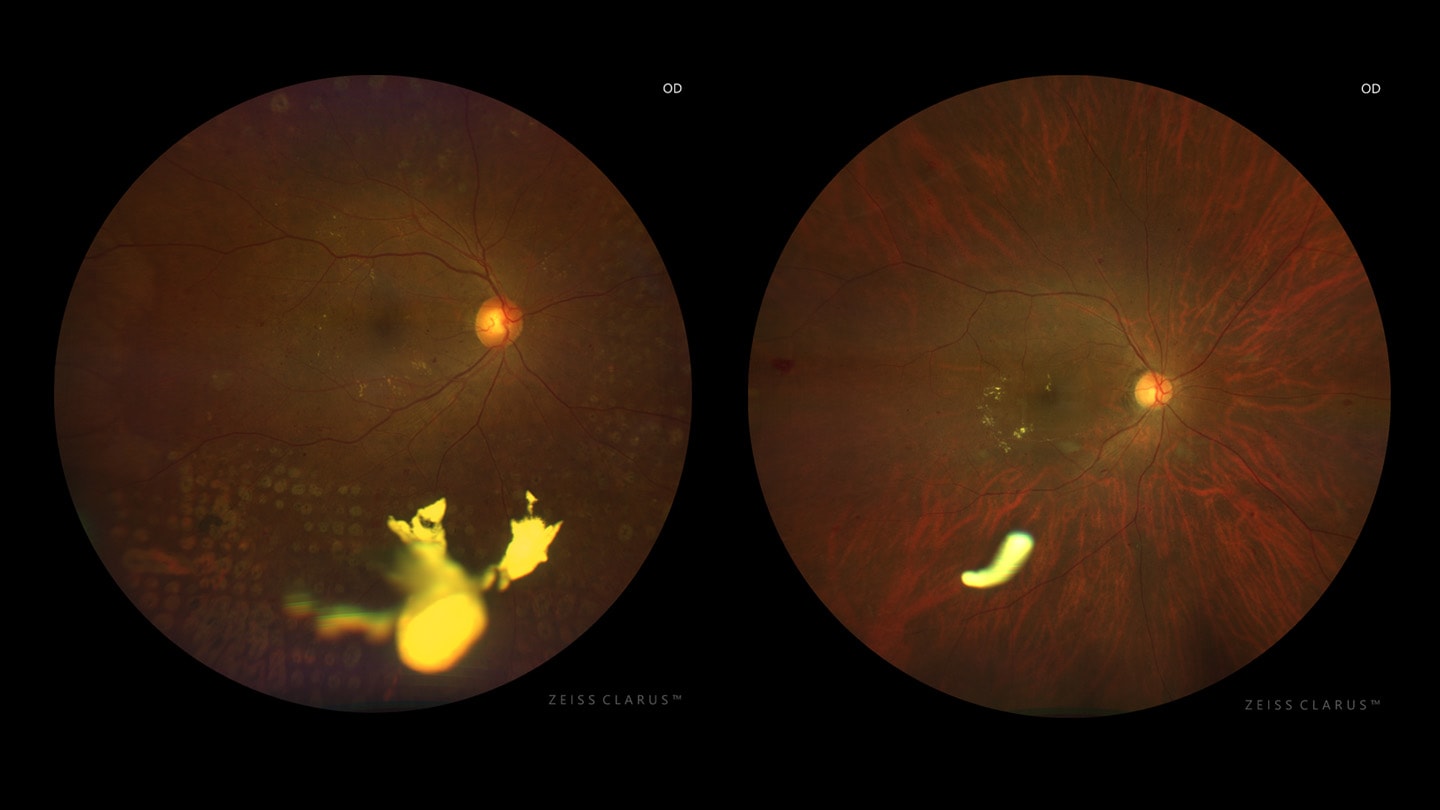
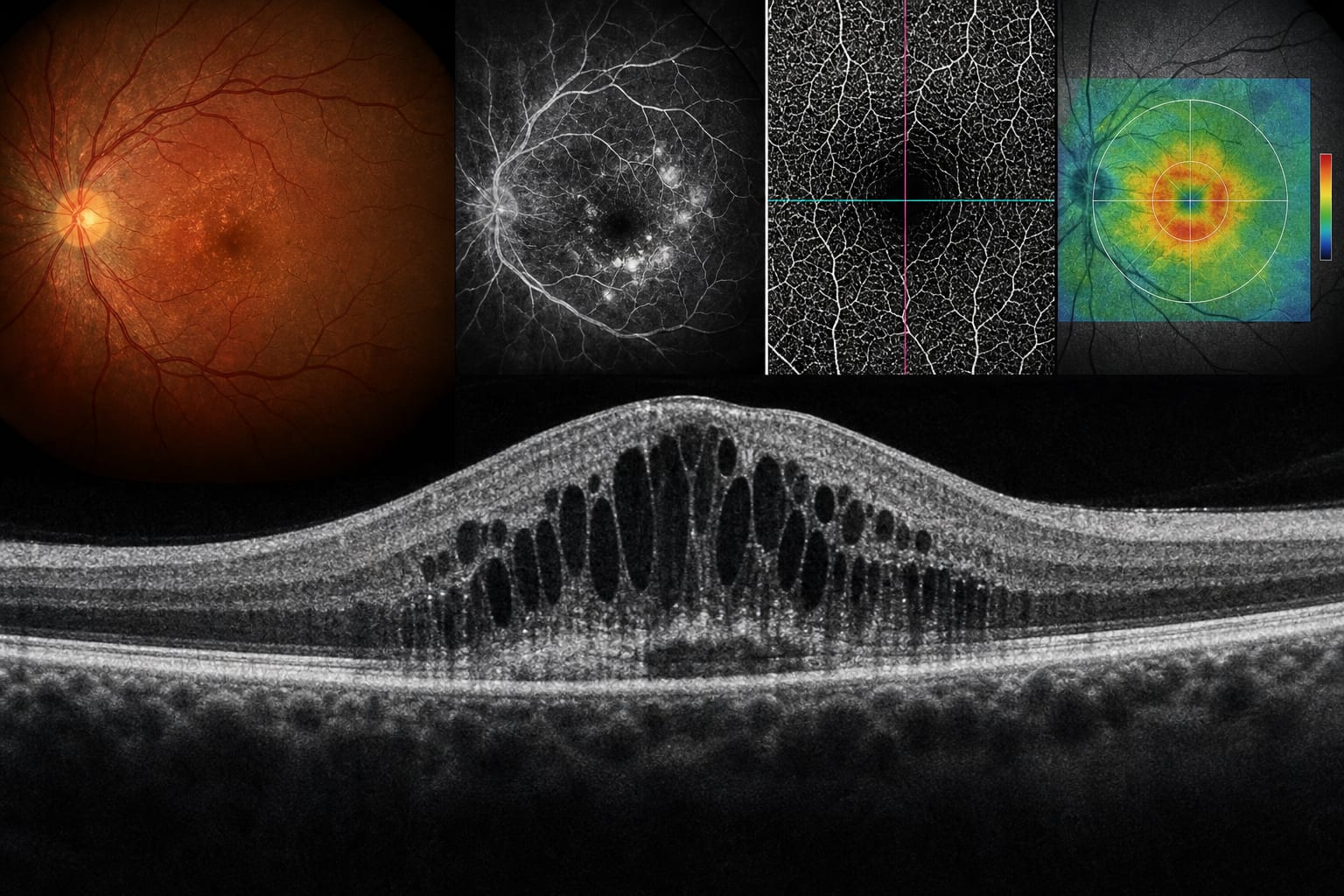
Diabetic retinopathy assessed using fundus photography.
Management
Tight glycemic and blood pressure control are essential for DR prevention.
Monitoring & Follow-up
Regular screening for diabetic retinopathy in patients with type 2 diabetes.
Risks
Residual risk of DR persists even in well-managed patients.
Patient & Prescribing Data
502 patients with type 2 diabetes.
Elevated ACR may reflect increased risk for diabetic retinopathy.
Clinical Best Practices
Consider urinary ACR as a marker for assessing vascular injury in diabetic patients.
Evaluate carotid plaque presence in conjunction with ACR for comprehensive risk assessment.