Comparative effectiveness of debridement strategies for chronic lower-extremity wounds: a systematic review and network meta-analysis - Scorecard - MDSpire

Comparative effectiveness of debridement strategies for chronic lower-extremity wounds: a systematic review and network meta-analysis

  • By

  • Guorui Li

  • Xiaoyun Zhang

  • Suiyi Liu

  • Lin Chen

  • Sha Liu

  • May 21, 2026

  • 0 min

Share

Clinical Scorecard: Evaluating the Effectiveness of Various Debridement Techniques for Chronic Lower-Extremity Wounds: A Systematic Review and Bayesian Network Meta-Analysis

At a Glance

CategoryDetail
ConditionChronic lower-extremity wounds
Key MechanismsDebridement techniques including biological, enzymatic, mechanical, and surgical methods to enhance wound healing.
Target PopulationPatients with venous leg ulcers, arterial or ischemic ulcers, mixed arterial–venous ulcers, or diabetic foot ulcers.
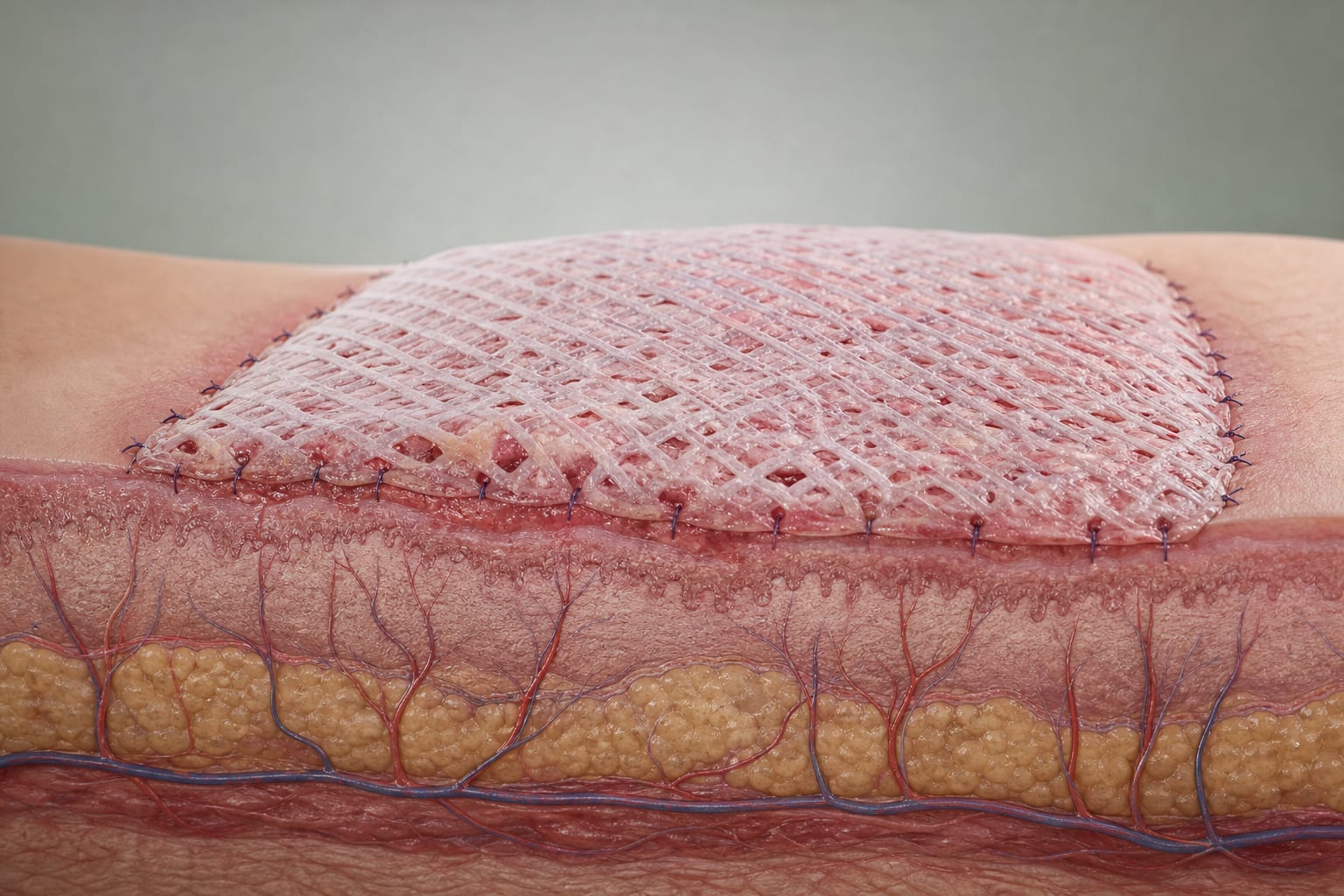
Care SettingClinical settings involving chronic wound management.

Key Highlights

  • Biological debridement ranked highest for wound healing and complete debridement.
  • Enzymatic and autolytic debridement associated with lower pain scores.
  • Ultrasound-assisted debridement may improve procedure time.
  • Evidence quality limited by clinical heterogeneity and methodological limitations.
  • Chronic lower-extremity wounds impose significant healthcare costs and impact quality of life.

Guideline-Based Recommendations

Diagnosis

  • Identify chronic lower-extremity wounds that fail to heal after 1 month of standard care.

Management

  • Utilize biological and enzymatic debridement for optimal wound healing and complete debridement.

Monitoring & Follow-up

  • Assess pain scores, procedure time, and time to healing as part of wound management.

Risks

  • Consider risks of prolonged hospitalization, disability, and mortality associated with chronic wounds.

Patient & Prescribing Data

Individuals with chronic lower-extremity wounds, including various ulcer types.

Debridement is essential for effective wound bed preparation and healing.

Clinical Best Practices

  • Implement a comprehensive assessment of wound type and patient needs before selecting a debridement method.
  • Monitor healing progress and adjust treatment strategies based on patient response.
  • Educate patients on the importance of wound care and adherence to treatment protocols.

Related Resources & Content

Original Source(s)

Related Content