Guiding Principles for Physician-Modified Endografts
-
By
-
Emiel W. M. Huistra
-
Clark J. Zeebregts
-
Robert C. Lind
-
July 10, 2026
Clinical Scorecard: Key Considerations for Physician-Modified Endografts in Aortic Repair
At a Glance
| Category | Detail |
|---|
| Condition | Physician-Modified Endografts (PMEGs) |
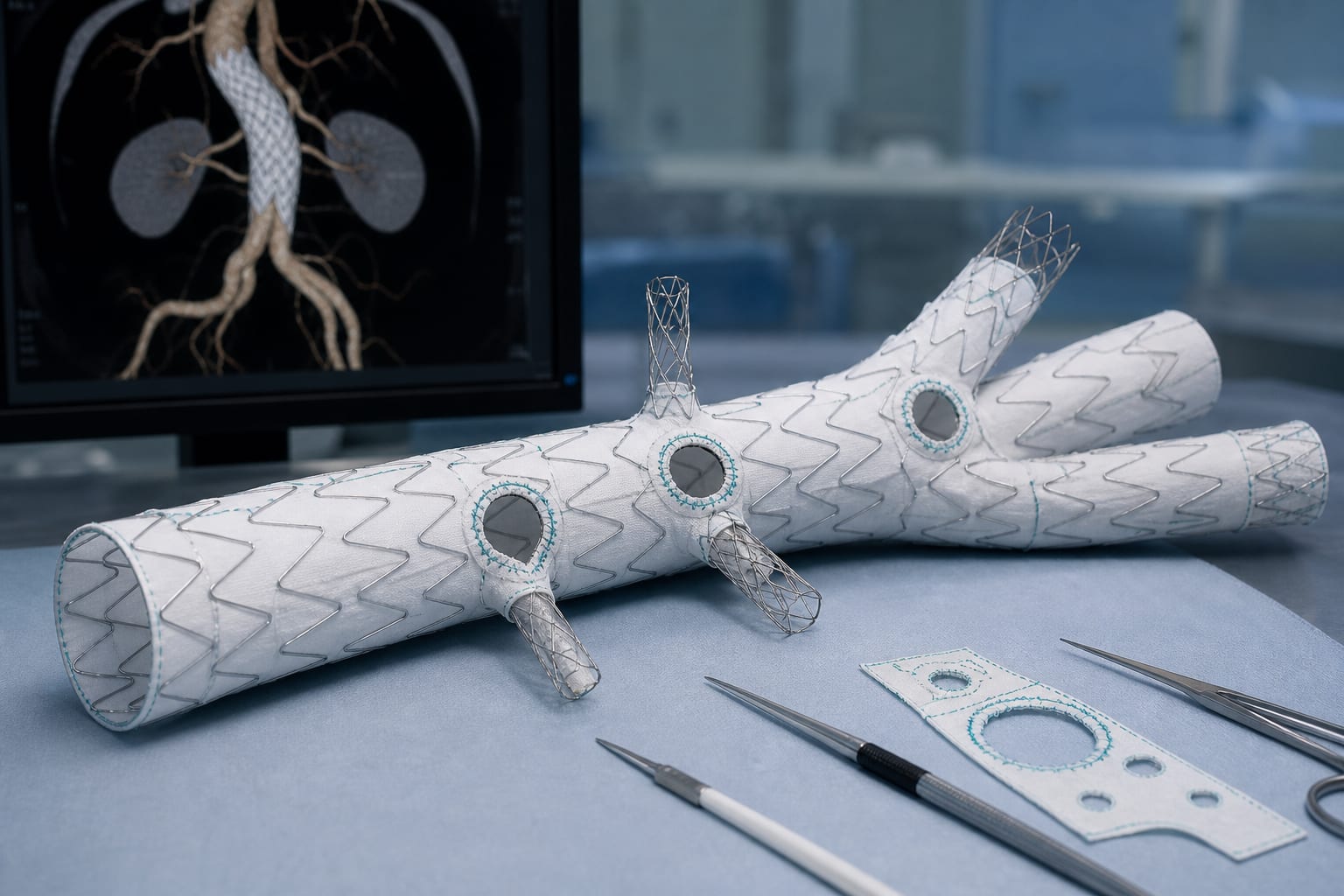
| Key Mechanisms | Modification of off-the-shelf endografts to create patient-specific fenestrations, scallops, and branches. |
| Target Population | Patients with symptomatic, ruptured, or non-deferrable aortic aneurysms. |
| Care Setting | Specialized aortic centers with multidisciplinary expertise. |
Key Highlights
- PMEGs provide an alternative when custom-made devices (CMDs) are unavailable.
- Technical expertise and planning are crucial for successful PMEG procedures.
- Standardized workflows and reproducible methods are recommended for fenestration placement.
- Training and proctoring are essential for operators starting PMEG programs.
- Novel techniques must undergo validation before clinical use.
Guideline-Based Recommendations
Diagnosis
- PMEG should be performed in high-volume aortic centers.
Management
- Operators must acquire specific skills for fenestration positioning and endograft modification.
Monitoring & Follow-up
- Long-term follow-up is necessary to manage procedural complications.
Risks
- Operator-dependent variability in fenestration placement can affect outcomes.
Patient & Prescribing Data
Patients requiring complex endovascular aortic repair.
PMEGs allow for immediate modification and implantation of endografts.
Clinical Best Practices
- Use templates for fenestration placement to enhance reproducibility.
- Incorporate advanced techniques and materials based on the best available evidence.
- Conduct dry-run rehearsals to identify challenges before patient procedures.
Related Resources & Content