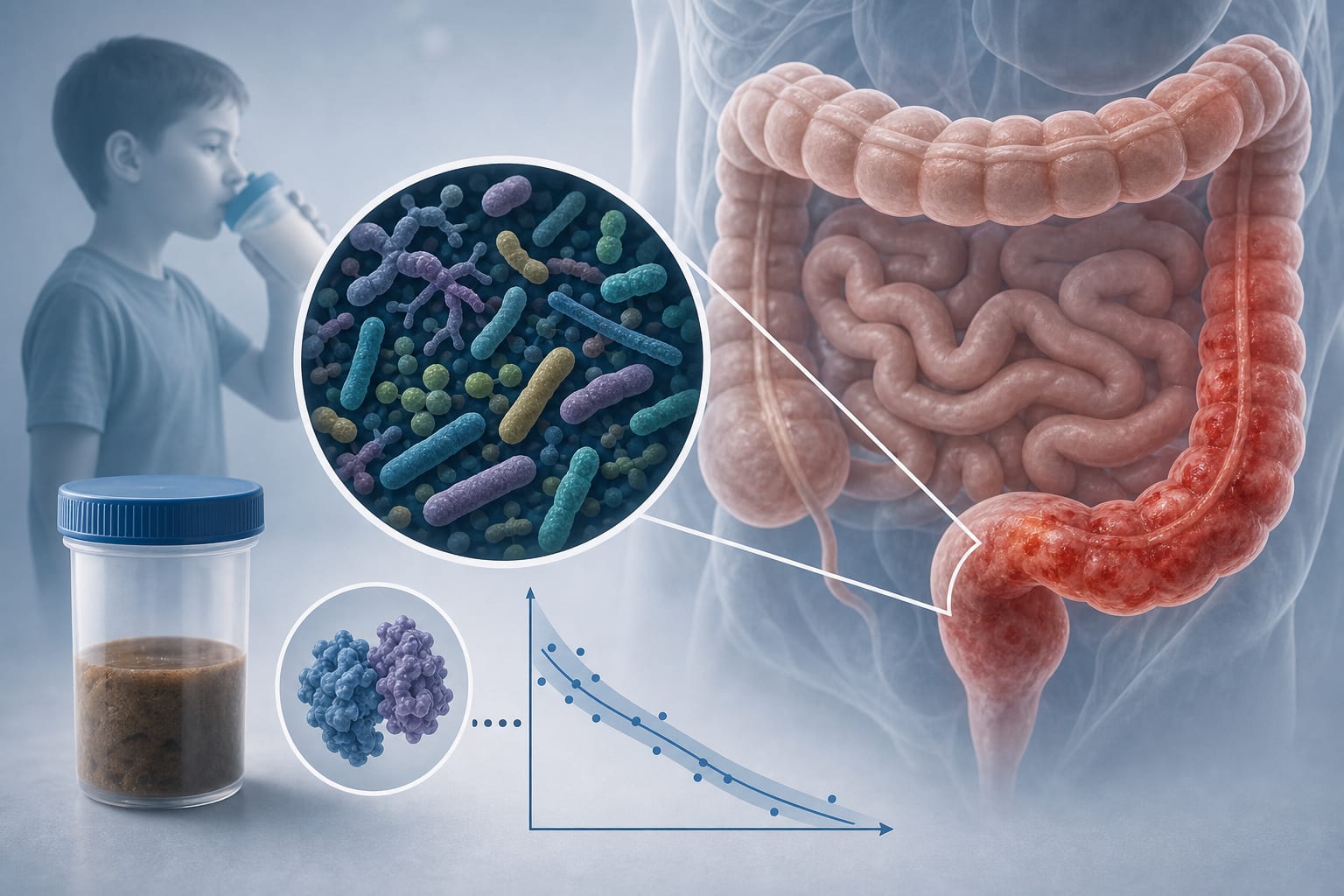
Clinical and genetic characteristics of children with sodium taurocholate cotransporting poly-peptide deficiency
By
Lina Du
Mengyao Zhou
Jing Yang
Min Du
Maolin Jiang
Lijing Xiong
June 10, 2026
Clinical Scorecard: Clinical Features and Genetic Insights in Pediatric Patients with Sodium Taurocholate Cotransporting Polypeptide Deficiency
At a Glance
Category Detail
Condition Sodium Taurocholate Cotransporting Polypeptide Deficiency (NTCPD) Key Mechanisms Caused by SLC10A1 gene mutations leading to impaired bile acid transport and elevated serum bile acid levels. Target Population Pediatric patients diagnosed with NTCPD. Care Setting Single-center pediatric cohort study.
Key Highlights
19 children diagnosed with NTCPD, categorized into jaundice (n=9) and incidental hypercholanemia (IH, n=10) groups. Significantly younger age and elevated γ-glutamyl transferase levels in the jaundice group. All patients achieved normalization of liver function parameters during follow-up. Biallelic SLC10A1 variants identified, with c.800C > T being the most prevalent. Four novel genetic variants were discovered. Guideline-Based Recommendations
Diagnosis
Persistently elevated serum bile acid levels. Confirmation of biallelic pathogenic mutations in the SLC10A1 gene. Management
No specific treatments were administered during the follow-up period. Monitoring & Follow-up
Clinical symptoms and liver function monitored during a 12-month follow-up. Risks
Potential for hepatocyte injury and systemic symptoms due to elevated bile acid levels. Patient & Prescribing Data
Children under 18 years with NTCPD.
No specific treatments were provided; focus on monitoring liver function and clinical symptoms.
Clinical Best Practices
Conduct genetic testing for SLC10A1 mutations in suspected NTCPD cases. Monitor liver function parameters regularly in affected children. Consider multi-center collaborations for extended follow-up and research. Related Resources & Content