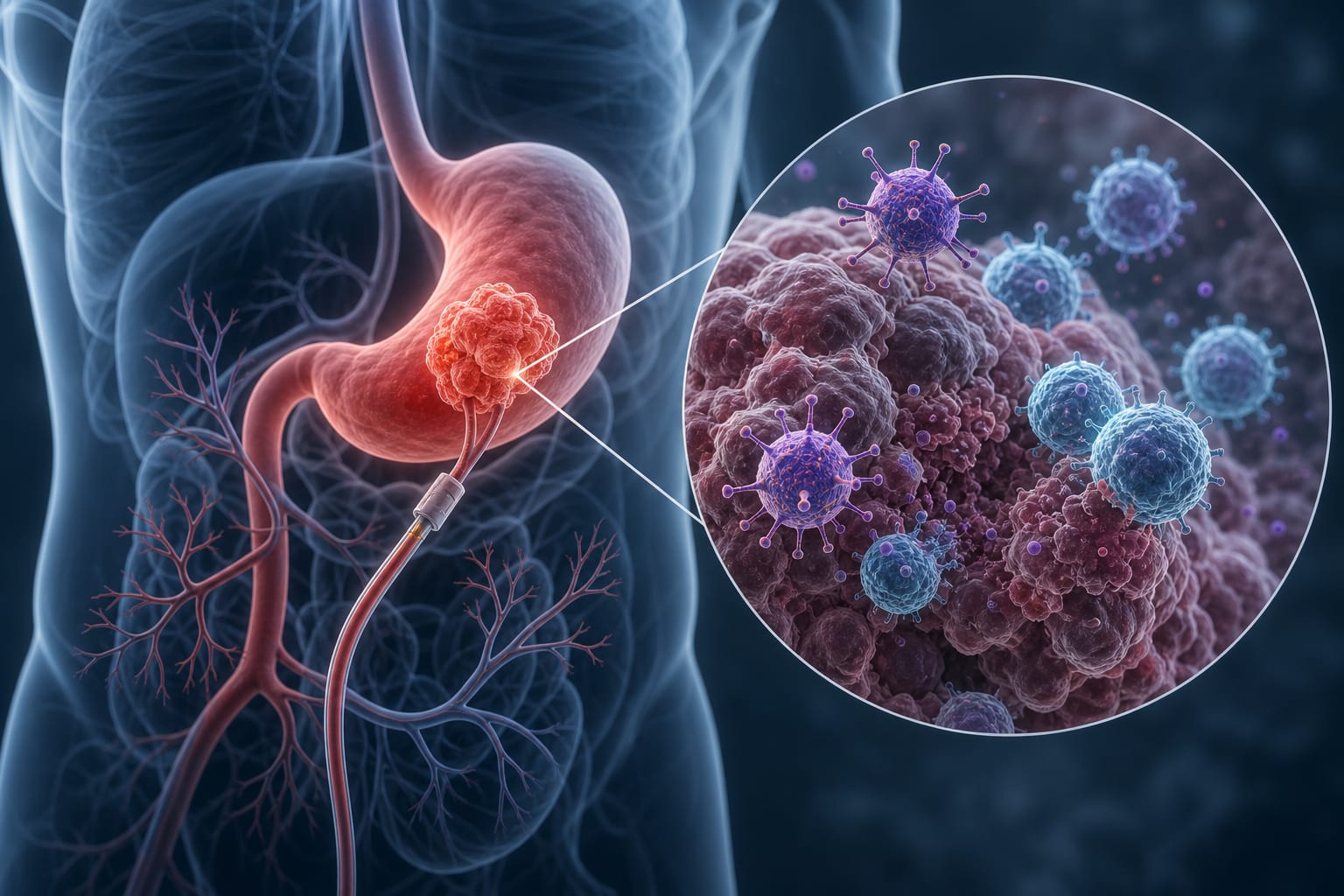
Mechanistic insights into ferroptosis and its therapeutic potential in hepatocellular carcinoma
-
By
-
Fan Yang
-
Zhongjie Li
-
Bao Zheng
-
July 15, 2026
Clinical Scorecard: Understanding the Mechanisms of Ferroptosis and Its Potential as a Treatment for Hepatocellular Carcinoma
At a Glance
| Category | Detail |
|---|
| Condition | Hepatocellular Carcinoma (HCC) |
| Key Mechanisms | Ferroptosis driven by lipid peroxidation, regulated by metabolic, epigenetic, and microenvironmental factors. |
| Target Population | Patients with hepatocellular carcinoma, particularly those at advanced stages. |
| Care Setting | Clinical oncology and research settings focused on cancer treatment. |
Key Highlights
- Ferroptosis is a key regulator in hepatocellular carcinoma.
- The GSH/GPX4 axis is crucial for inhibiting lipid peroxidation.
- Ferroptosis-targeted therapies face challenges due to drug resistance.
- Emerging strategies aim to enhance ferroptosis sensitivity.
- Ferritinophagy increases cellular susceptibility to ferroptosis.
Guideline-Based Recommendations
Diagnosis
- Utilize metabolic biomarkers and epigenetic indicators for HCC diagnosis.
Management
- Consider ferroptosis as a novel therapeutic target in HCC treatment.
Monitoring & Follow-up
- Monitor lipid peroxidation levels and iron metabolism in patients.
Risks
- Assess toxicity risks associated with ferroptosis-targeted therapies.
Patient & Prescribing Data
Patients diagnosed with advanced hepatocellular carcinoma.
Ferroptosis-based precision medicine strategies are under investigation.
Clinical Best Practices
- Integrate metabolic, epigenetic, and microenvironmental assessments in treatment planning.
- Evaluate the role of the GSH/GPX4 axis in patient management.
- Address challenges related to drug resistance in HCC therapies.
Related Resources & Content