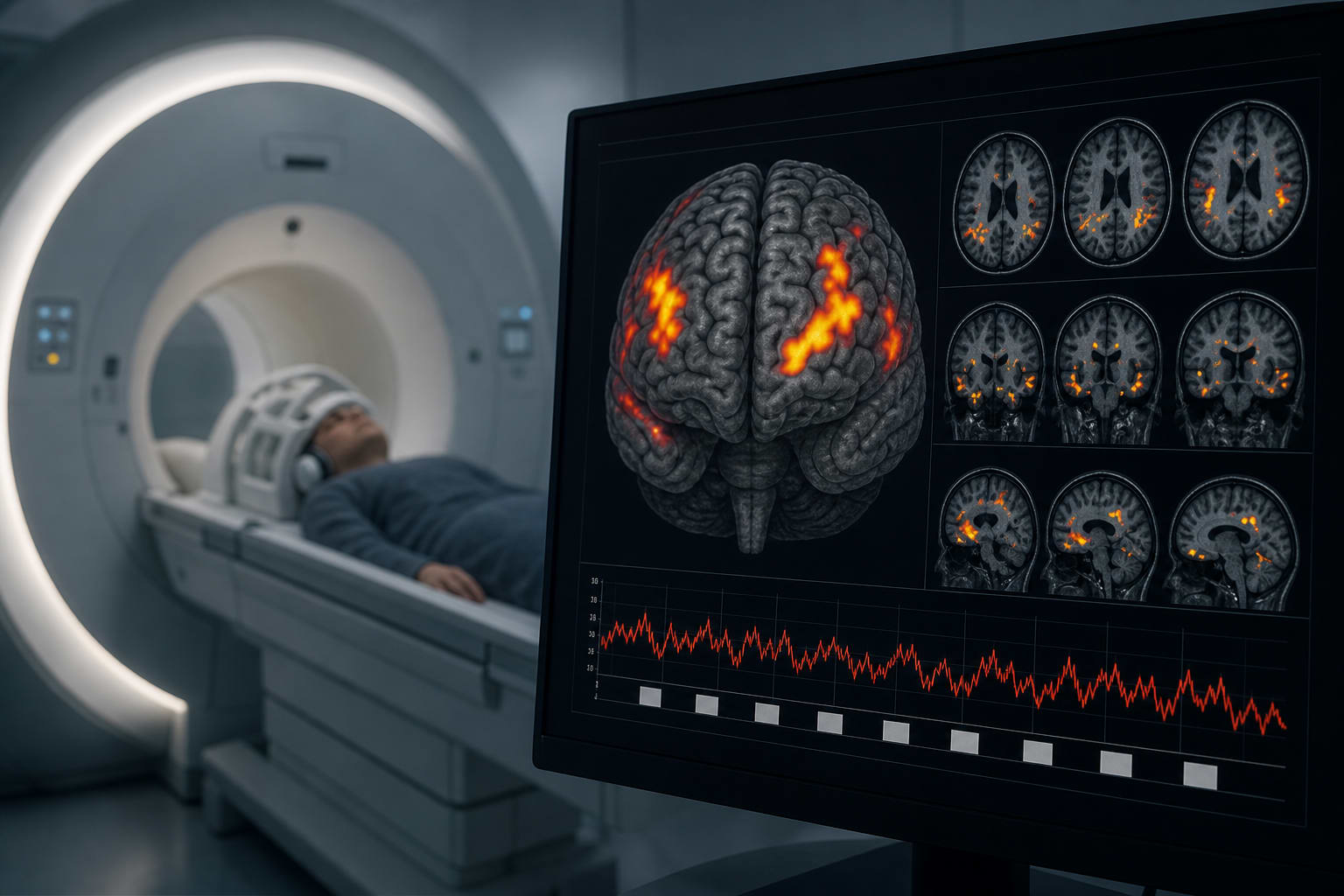
Annexin A11 and TDP-43: core players in neurodegeneration
-
By
-
Courtney L. Smith
-
John L. Robinson
-
Edward B. Lee
-
July 7, 2026
-
Clinical Scorecard: Key Roles of Annexin A11 and TDP-43 in Neurodegenerative Processes
At a Glance
| Category | Detail |
|---|
| Condition | Frontotemporal degeneration (FTD) |
| Key Mechanisms | Involvement of Annexin A11 and TDP-43 in neurodegenerative processes |
| Target Population | Individuals with frontotemporal lobar degeneration with TDP-43 pathology (FTLD-TDP) |
| Care Setting | Neurodegenerative disease research |
Key Highlights
- FTLD-TDP is characterized by TDP-43 mislocalization and aggregation.
- Annexin A11 co-aggregates with TDP-43 in FTLD-TDP type C.
- ANXA11 is implicated in both familial and sporadic cases of ALS and FTD.
- ANXA11's N-terminal domain is crucial for its interactions and phase separation.
- Variants in ANXA11 may contribute to neurodegenerative processes.
Guideline-Based Recommendations
Diagnosis
- Diagnosis of FTD includes clinical assessment and imaging studies.
Management
- Management strategies for FTD focus on symptomatic treatment and supportive care.
Monitoring & Follow-up
- Regular monitoring of cognitive and behavioral changes is recommended.
Risks
- Risk factors include genetic predispositions and age-related changes.
Patient & Prescribing Data
Patients with frontotemporal degeneration and related disorders.
Current treatments are symptomatic; no disease-modifying therapies are available.
Clinical Best Practices
- Incorporate genetic counseling for families with a history of FTD.
- Utilize multidisciplinary teams for comprehensive patient care.
- Engage in ongoing research to explore novel therapeutic targets.
Related Resources & Content