Clinical Scorecard: Factors Associated with Postoperative Seizures Following Endovascular Aneurysm Exclusion: A Comprehensive Systematic Review and Meta-Analysis
At a Glance
Category
Detail
Condition
Postoperative Seizures
Key Mechanisms
Radiological indicators, clinical grading, and anatomical site involvement.
Target Population
Individuals of any age receiving endovascular exclusion for intracranial aneurysms.
Care Setting
Neurocritical care
Key Highlights
Hydrocephalus is strongly associated with postoperative seizures (OR 3.91).
Fisher grade 3 + 4 blood distribution linked to increased seizure risk (OR 3.29).
Hunt-Hess grade 1 to 3 shows significant association with seizures (OR 3.15).
Age, sex, and middle cerebral artery involvement are not significant predictors.
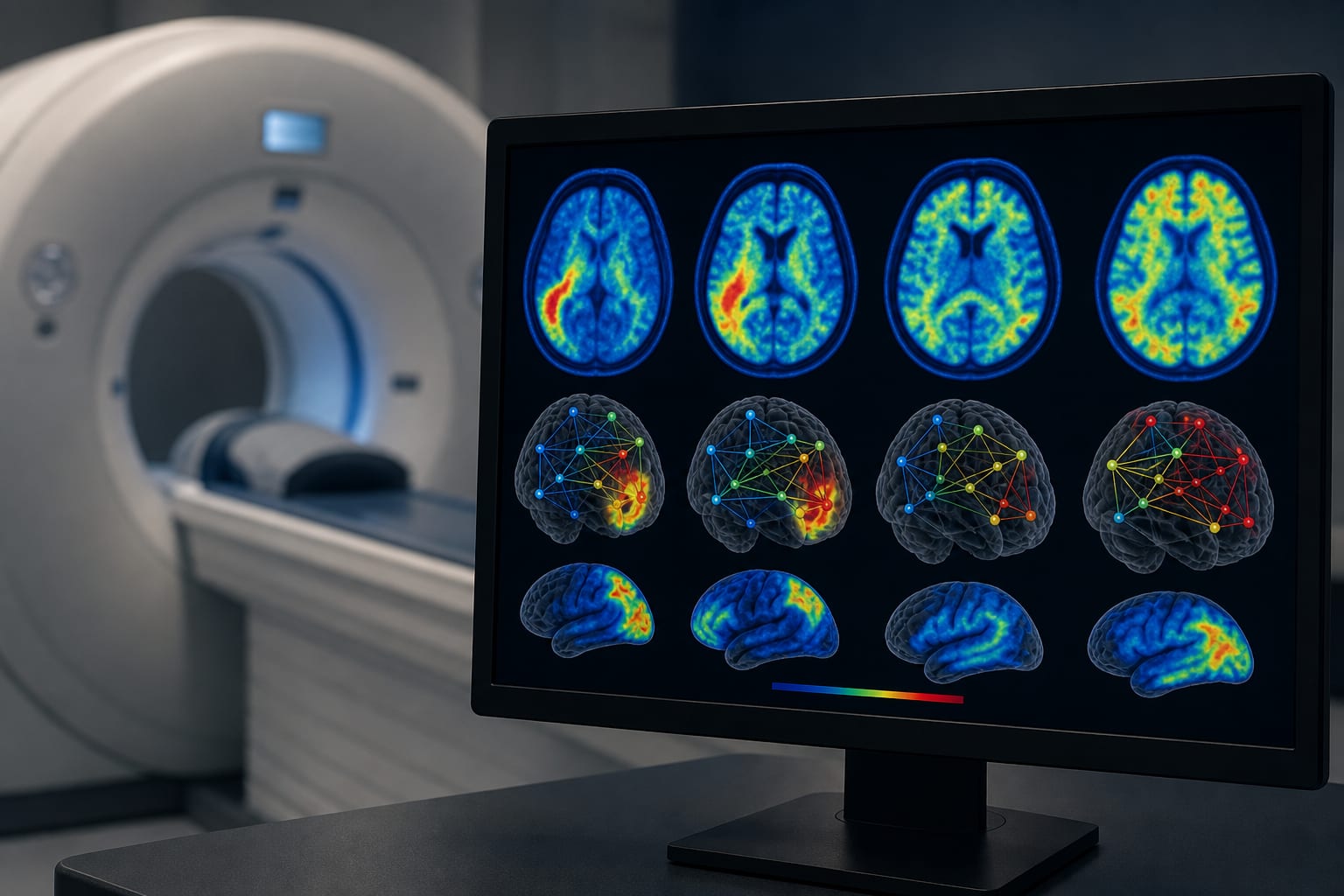
Greater radiological severity correlates with increased seizure likelihood.
Guideline-Based Recommendations
Diagnosis
Utilize standardized seizure definitions for accurate diagnosis.
Management
Consider clinical grading scales (Hunt-Hess, WFNS) for risk stratification.
Monitoring & Follow-up
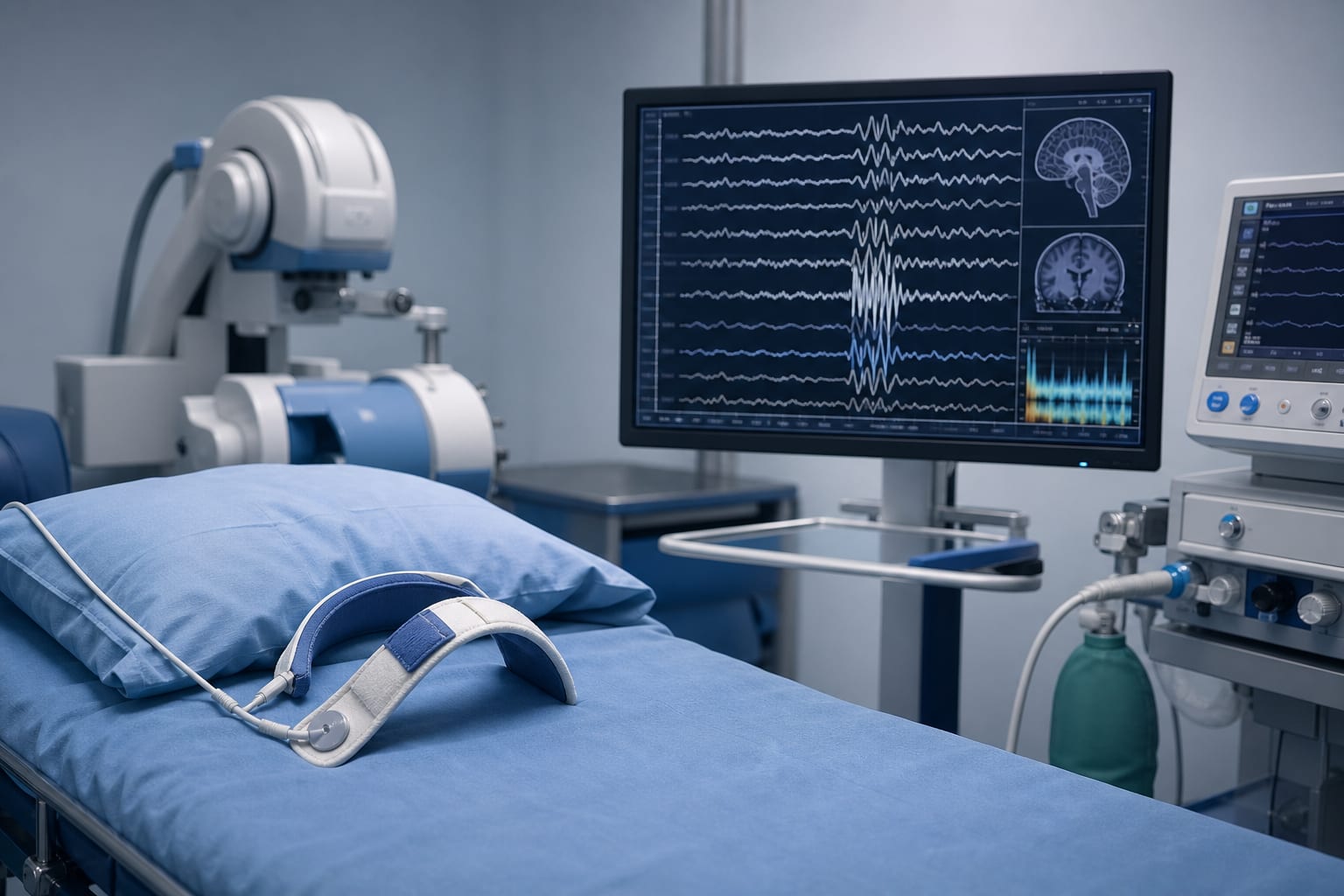
Continuous EEG monitoring is warranted for better seizure detection.
Risks
Postoperative seizures may occur in approximately 5.8% of stroke patients after endovascular treatment.
Patient & Prescribing Data
Patients undergoing endovascular treatment for intracranial aneurysms.
Prophylactic antiepileptic strategies require further investigation.
Clinical Best Practices
Assess radiological severity of hemorrhage to evaluate seizure risk.
Implement individualized neurocritical care based on seizure predictors.
This American Epilepsy Society (AES) practice guideline provides updated, evidence-based recommendations for the management of epilepsy in infants and children aged 1 month to <36 months.