Clinical Scorecard: Recognition and Treatment of Undiagnosed Femoral Head Epiphysiolysis: A Case Study
At a Glance
Category
Detail
Condition
Key Mechanisms
Target Population
Adolescent males and females, particularly those who are obese and during pubertal growth spurts.
Care Setting
Key Highlights
SCFE is often misdiagnosed, leading to delayed treatment and worsened prognosis.
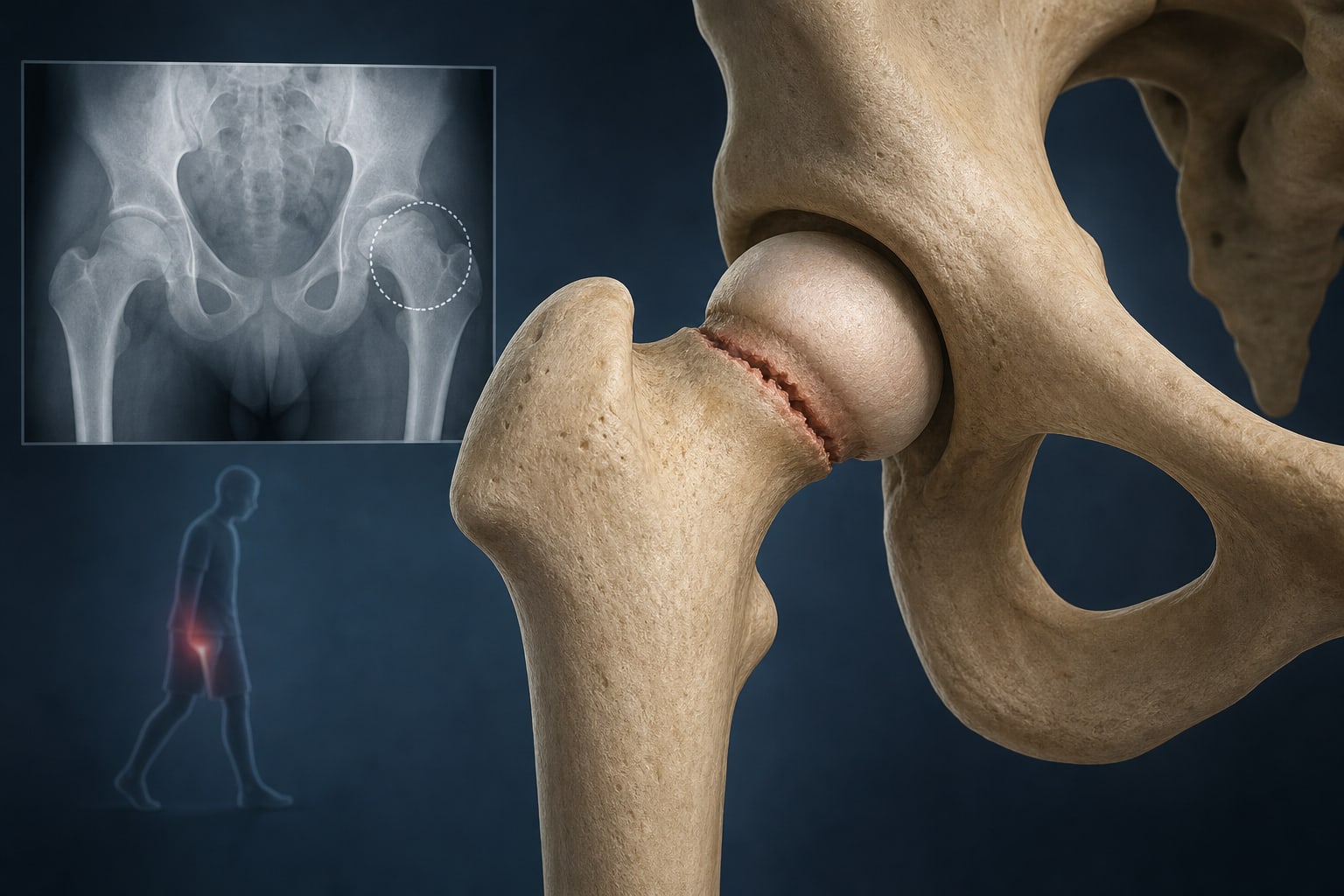
Common symptoms include limping, hip pain, and limited internal rotation of the hip, with atypical presentations possible.
Diagnosis can be confirmed with pelvic x-ray.
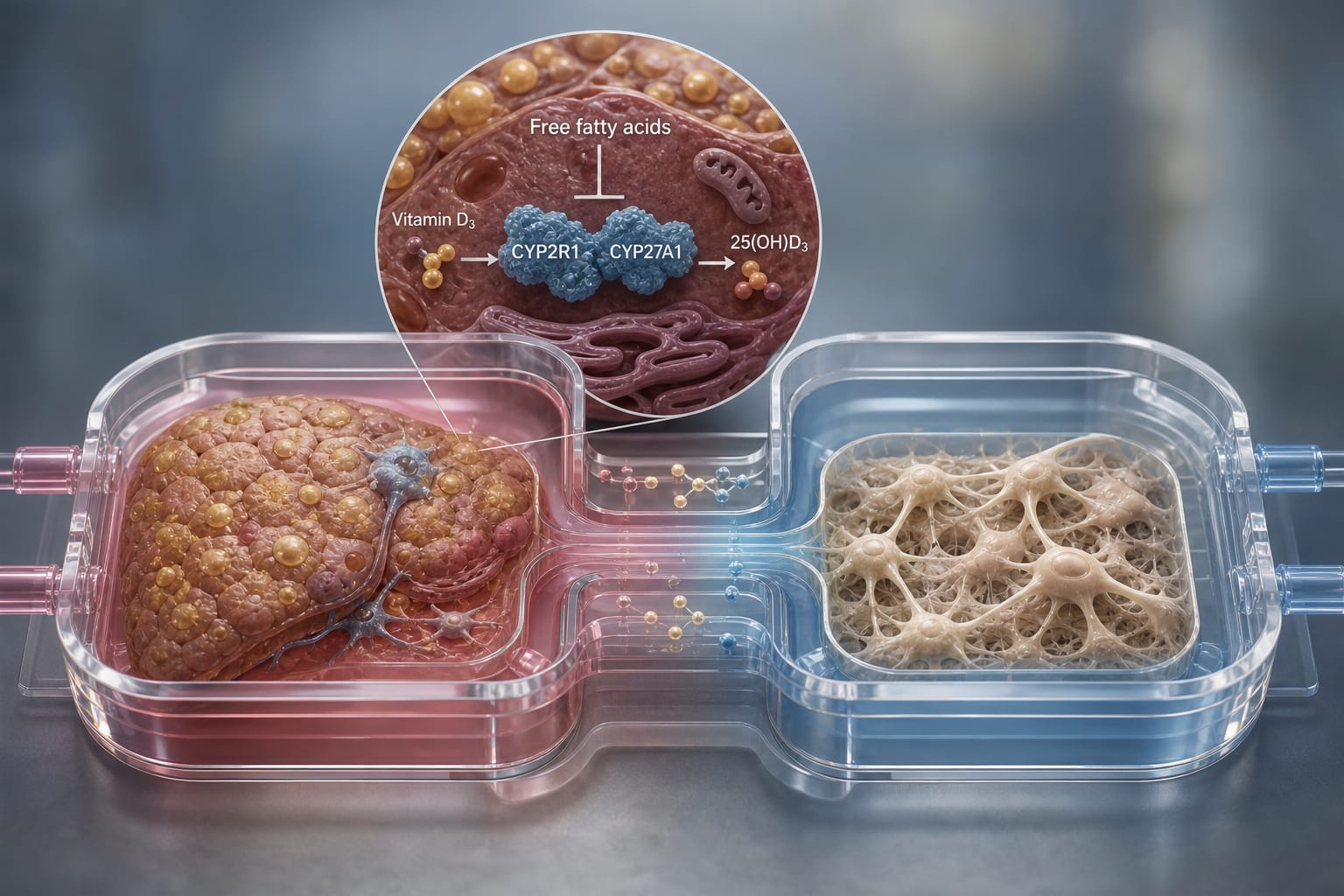
Endocrinological disorders may be associated with SCFE.
Management options include in situ fixation and the modified Dunn procedure.
Guideline-Based Recommendations
Diagnosis
Consider SCFE in adolescents presenting with hip or knee pain and limping.
Use pelvic x-ray for diagnosis.
Management
Avoid weight-bearing on the affected limb.
Refer urgently to an orthopaedic surgeon.
Monitoring & Follow-up
Monitor for signs of further femoral epiphyseal slippage and potential complications post-surgery.
Risks
Delayed diagnosis increases risk of complications and need for more invasive procedures.
Patient & Prescribing Data
Surgical options include in situ fixation and the modified Dunn procedure, with the latter being preferred in high-volume centres. Consider endocrine disorders in treatment planning.
Clinical Best Practices
Promptly evaluate adolescents with hip or knee pain for SCFE.
Consider potential endocrine comorbidities in SCFE cases.
Encourage interdisciplinary collaboration in management.