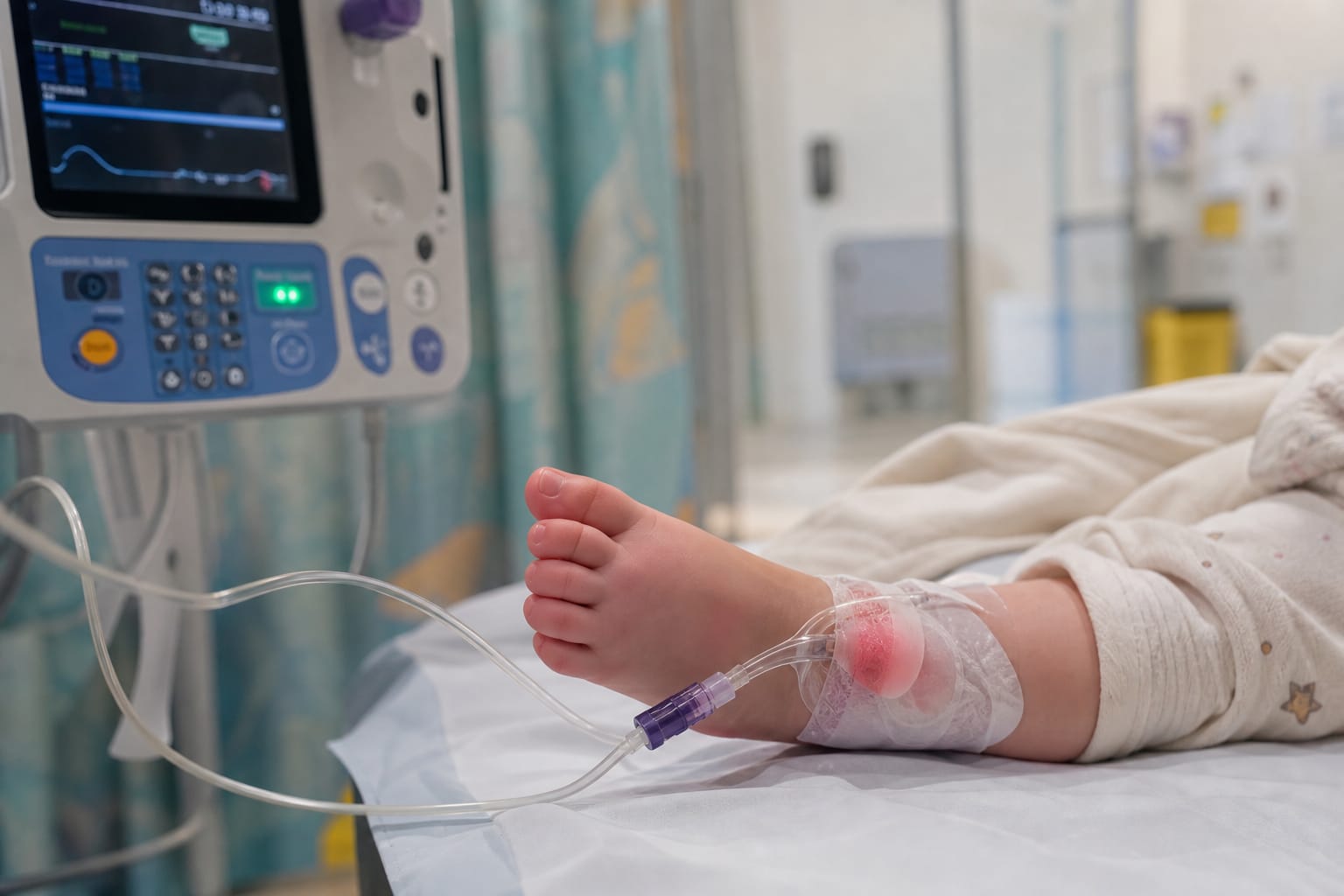
First experience of hemadsorption with HA60 cartridges in newborns and small infants with septic shock: a case series
-
By
-
Gabriella Bottari
-
Cristina Maccarrone
-
Antonio Torelli
-
Matteo Di Nardo
-
Anna Teresa Mazzeo
-
Corrado Cecchetti
-
Isabella Guzzo
-
June 5, 2026
-
Clinical Scorecard: Initial Application of HA60 Hemadsorption Cartridges in Neonates and Young Infants Experiencing Septic Shock: A Case Series
At a Glance
| Category | Detail |
|---|
| Condition | |
| Key Mechanisms | Hemoadsorption using HA60 cartridges to enhance removal of solutes and pathogens, particularly in low-weight pediatric patients. |
| Target Population | |
| Care Setting | |
Key Highlights
- Four pediatric patients treated with HA60 hemoadsorption, including two neonates and two infants.
- All patients received standard therapy including broad-spectrum antibiotics and vasoactive agents.
- Continuous renal replacement therapy (CRRT) was initiated for acute kidney injury and/or fluid overload.
- Three out of four patients survived the treatment; however, the fatal outcome in Case 1 was considered unrelated to the hemoadsorption procedure.
- No major adverse events were observed during the hemoadsorption procedure.
Guideline-Based Recommendations
Diagnosis
Management
Monitoring & Follow-up
Risks
- Potential adverse events due to extracorporeal circuit volume exceeding safe thresholds, as highlighted in the source.
Patient & Prescribing Data
Neonates and young infants with refractory septic shock.
HA60 hemoadsorption used as adjunctive therapy in conjunction with CRRT.
Clinical Best Practices
- Use of HA60 cartridges in a post-filter position within the CRRT circuit.
- Careful monitoring of hemodynamic stability and potential adverse events during extracorporeal treatments.
Related Resources & Content