Novel LIFR Variant Identified in Stuve-Wiedemann Syndrome
Case report highlights the role of early genetic confirmation in severe skeletal dysplasia
-
By
-
Henry Thomas
-
February 10, 2026
-
Clinical Scorecard: Novel LIFR Variant Identified in Stuve-Wiedemann Syndrome
At a Glance
| Category | Detail |
|---|
| Condition | Stüve-Wiedemann syndrome |
| Key Mechanisms | Disruption of LIFR-mediated signaling affecting skeletal development and autonomic function. |
| Target Population | Infants diagnosed with Stüve-Wiedemann syndrome. |
| Care Setting | Pediatric care, genetic testing facilities. |
Key Highlights
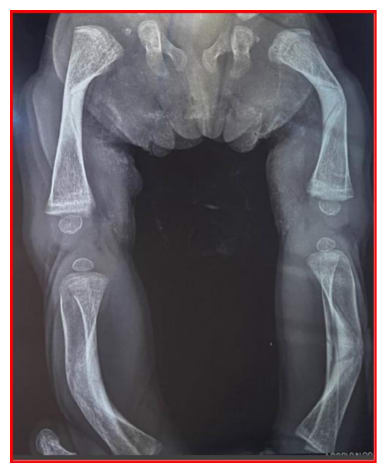
- Characterized by bowed long bones, joint contractures, and severe dysautonomia.
- Associated with homozygous or compound heterozygous LIFR variants.
- High early-life morbidity and mortality, with a global mortality rate of 46%.
- Longer-term survival reported in some patients beyond the first two years.
- Molecular confirmation aids in distinguishing from other skeletal dysplasias.
Guideline-Based Recommendations
Diagnosis
- Genetic testing for LIFR variants to confirm diagnosis.
Management
- Supportive care for dysautonomia and associated complications.
Monitoring & Follow-up
- Regular assessment of growth parameters and respiratory function.
Risks
- High risk of early mortality, particularly within the first two years.
Patient & Prescribing Data
Infants with confirmed Stüve-Wiedemann syndrome.
Focus on managing symptoms and complications associated with dysautonomia.
Clinical Best Practices
- Early genetic testing for suspected cases.
- Multidisciplinary approach to manage complex symptoms.
- Education for caregivers regarding potential complications.
Related Resources & Content