Aging-driven metabolic abnormalities remodel intercellular communication through the gut–liver–heart axis and may promote coronary artery disease: the key role of bile acid metabolism - Scorecard - MDSpire
Conexiant’s news site is now MDSpire News. Learn more
Advertisement
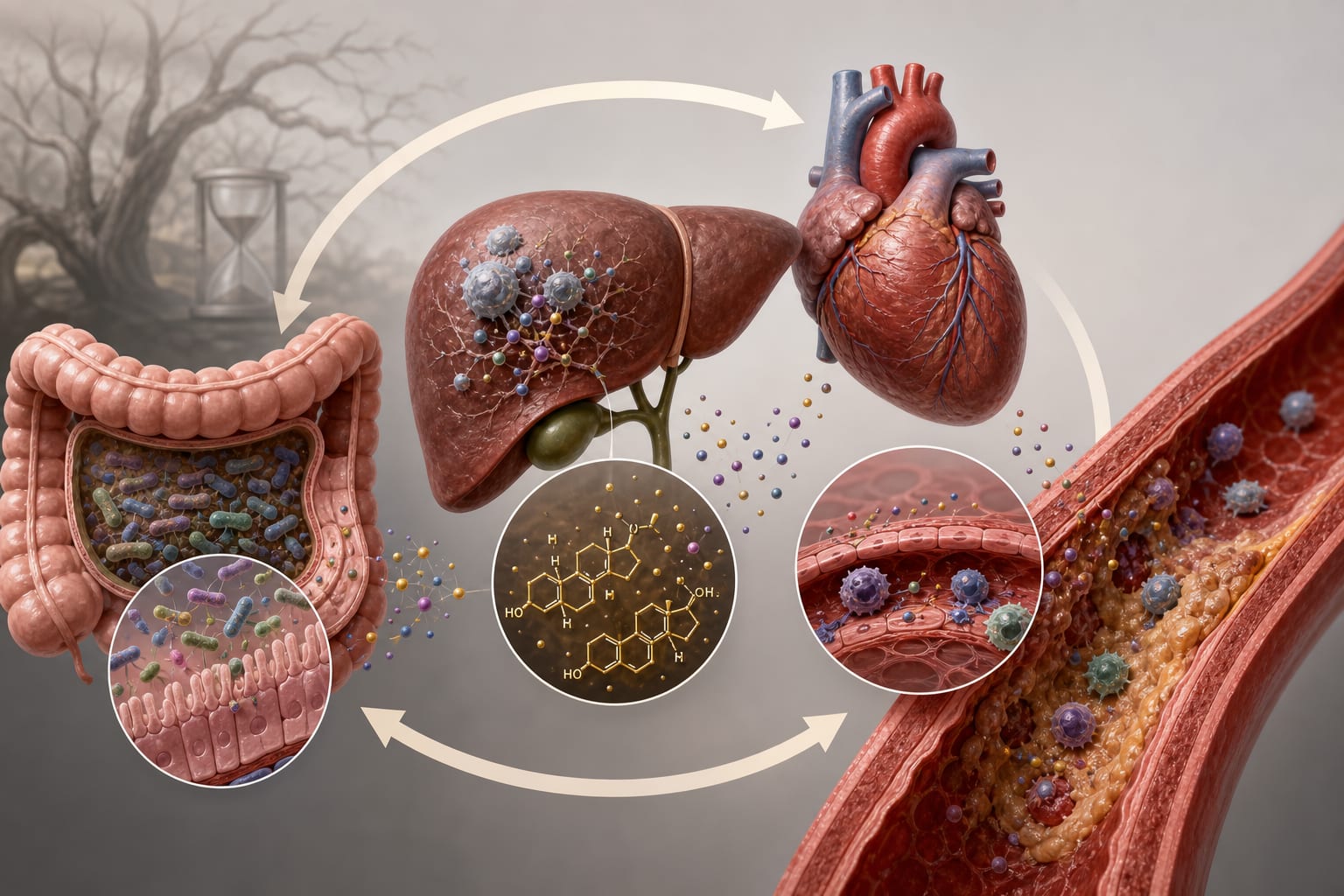
Metabolic Changes Associated with Aging Alter Intercellular Interactions via the Gut–Liver–Heart Axis and May Contribute to Coronary Artery Disease: The Critical Function of Bile Acid Metabolism
Clinical Scorecard: Metabolic Changes Associated with Aging Alter Intercellular Interactions via the Gut–Liver–Heart Axis and May Contribute to Coronary Artery Disease: The Critical Function of Bile Acid Metabolism
At a Glance
Category
Detail
Condition
Coronary Artery Disease (CAD)
Key Mechanisms
Aging-related dysbiosis, bile acid metabolism disruption, systemic inflammation via SASP.
Target Population
Older adults, particularly those aged 65 years and older.
Care Setting
Clinical research and cardiovascular health management.
Key Highlights
CAD is the leading cause of cardiovascular mortality worldwide.
Aging is a strong and independent risk factor for CAD.
Cellular senescence contributes to chronic low-grade systemic inflammation.
Endothelial dysfunction and large-artery stiffness are key vascular phenotypes of aging.
Dysregulated bile acid metabolism is crucial in the gut–liver–heart axis.
Guideline-Based Recommendations
Diagnosis
Consider age as a significant risk factor in CAD assessment.
Management
Explore microbiota remodeling and FXR/TGR5 agonists as potential interventions.
Monitoring & Follow-up
Monitor for signs of endothelial dysfunction and systemic inflammation in older adults.
Risks
Increased risk of CAD despite controlled classical risk factors in older populations.
Patient & Prescribing Data
Older adults with CAD or at high risk for CAD.
Emerging therapies include senolytic therapies and metformin, though evidence is primarily preclinical.
Clinical Best Practices
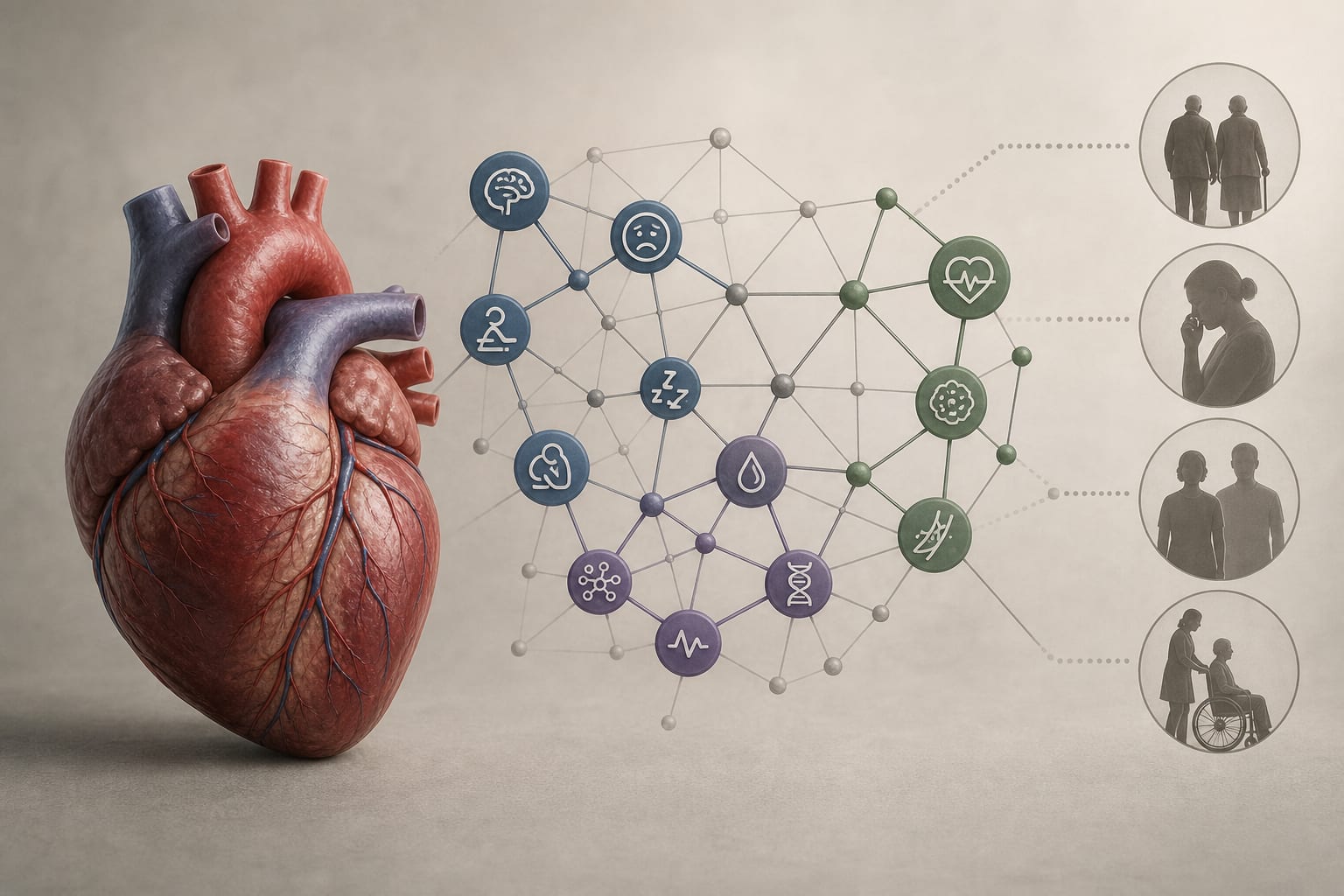
Integrate multi-omics approaches to understand CAD as a systemic process.
Assess gut microbiota composition in older adults for potential cardiovascular implications.
Utilize integrated biomarker frameworks for early risk stratification in CAD.