Clinical Scorecard: Dual Functions of Meningeal Lymphatic Vessels in Brain Metastasis: Allies and Adversaries
At a Glance
Category
Detail
Condition
Brain Metastases
Key Mechanisms
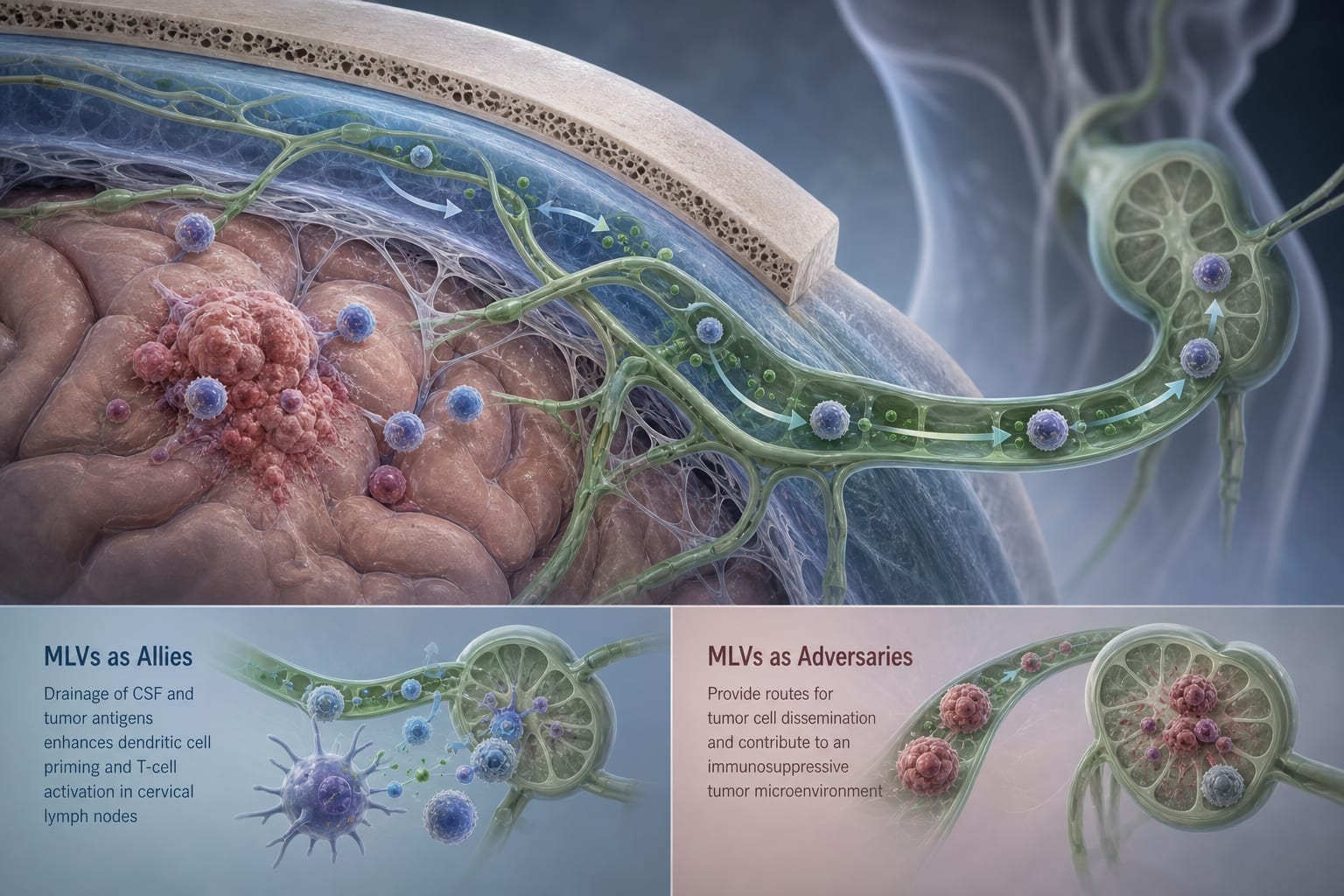
Meningeal lymphatic vessels (MLVs) facilitate cerebrospinal fluid drainage, waste clearance, and immune cell trafficking; their dysfunction is linked to treatment resistance and immunosuppression.
Target Population
Cancer patients, particularly those with lung, breast, melanoma, renal cell, and colorectal cancers.
Care Setting
Oncology and neurology clinics.
Key Highlights
MLVs play a dual role in brain metastases, promoting anti-tumor immunity initially but facilitating tumor spread as they remodel.
Pathological MLV remodeling is driven by tumor-derived factors like VEGF-C.
Therapeutic strategies targeting MLVs may enhance immunotherapy and drug delivery.
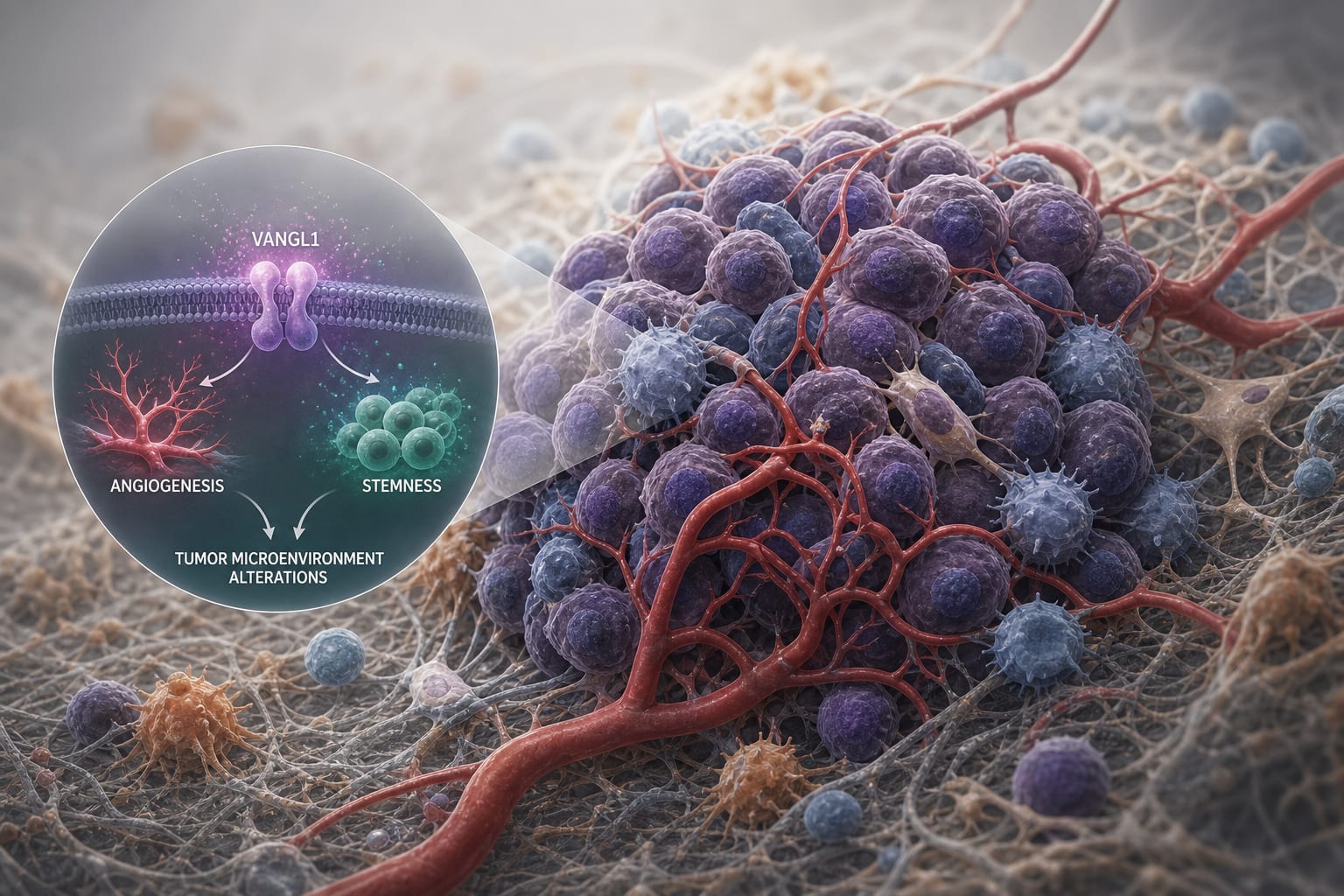
Dysfunction of MLVs contributes to a highly immunosuppressive tumor microenvironment.
MLVs are critical regulators of brain metastatic outcomes.
Guideline-Based Recommendations
Diagnosis
Consider brain imaging for cancer patients presenting neurological symptoms.
Management
Explore therapies targeting MLVs to improve treatment outcomes in brain metastases.
Monitoring & Follow-up
Regular assessment of neurological status and imaging to monitor for brain metastases.
Risks
Be aware of the potential for treatment resistance due to the immunosuppressive environment created by MLV dysfunction.
Patient & Prescribing Data
Patients with brain metastases from various primary cancers.
Enhancing MLV function may improve the efficacy of existing therapies.
Clinical Best Practices
Integrate MLV-targeting strategies into treatment plans for brain metastases.
Monitor for signs of MLV dysfunction in patients with neurological symptoms.