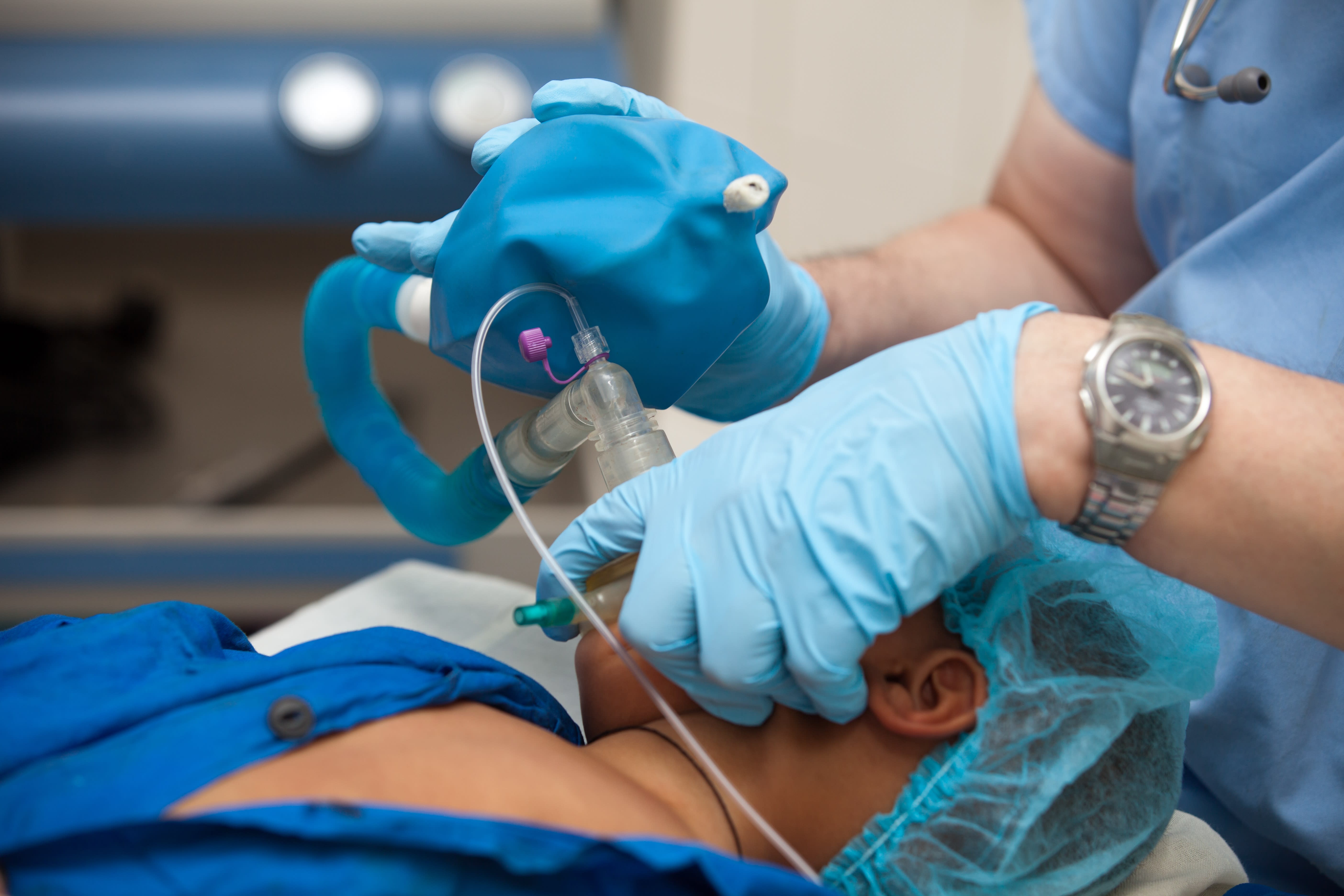
National Leaders Support Updated Pediatric Fasting Practices
-
By
-
November 12, 2026
-
7 min
Clinical Scorecard: National Leaders Support Updated Pediatric Fasting Practices
At a Glance
| Category | Detail |
|---|---|
| Condition | Preoperative fasting for children undergoing elective anesthesia |
| Key Mechanisms | Prolonged fluid fasting can cause thirst, hunger, irritability and distress, and may contribute to dehydration and metabolic stress; longer fluid fasting was associated with low blood pressure after induction in one study. |
| Target Population | Children having elective anesthesia, with individualized assessment for children with conditions or procedures that affect fasting safety. |
| Care Setting | Preoperative planning and perioperative care for pediatric procedures requiring anesthesia. |
Key Highlights
- For eligible children, evidence supports clear liquids until one hour before anesthesia induction; this does not change fasting requirements for food, breast milk or formula.
- In the EUROFAST cohort, aspiration occurred at about 0.96 per 10,000 anesthetics under one-hour policies and 1.83 per 10,000 under two-hour policies; the study met its noninferiority criterion and reported no aspiration-related deaths.
- A systematic review of eight randomized trials involving 1,234 children found no increased aspiration risk with clear-liquid fasting of one hour or less.
- Observational findings are reassuring but do not establish that shorter fasting prevents aspiration.
- Clear instructions, an explicit cutoff time and reassessment when schedules change are needed to reduce unnecessarily prolonged fasting.
Guideline-Based Recommendations
Diagnosis
- Identify children who may need an individualized fasting plan, including those with suspected bowel obstruction, significant delayed gastric emptying, active vomiting, diabetes or metabolic disorders, or procedure-specific requirements such as certain nuclear medicine studies or bowel preparations.
- Contact the team coordinating the procedure and request an individualized anesthesia plan when fasting instructions conflict or are unclear.
Management
- For eligible children, encourage permitted clear liquids until the cutoff time provided by the anesthesia team, generally one hour before induction under the updated practice described.
- Explain that clear liquids include water, pulp-free apple juice and approved clear electrolyte drinks; milk, formula and smoothies are not clear liquids.
- Provide families with an explicit clock time and advise them to contact the team if instructions conflict or the procedure is delayed.
- Request anesthesia input before the procedure day when medical conditions, medication or feeding needs, or procedure-specific requirements call for an individualized plan.
- If a procedure is delayed, the anesthesia team can reassess and, if appropriate, authorize additional clear liquids with an updated cutoff time.
Monitoring & Follow-up
- Use ongoing safety monitoring when implementing shorter clear-liquid fasting.
- Coordinate pre-screening, written instructions and day-of-procedure teams so families receive consistent guidance.
Risks
- The article reports no known increase in aspiration risk with clear-liquid fasting of one hour or less in the cited evidence, but does not claim that shorter fasting prevents every complication.
- Prolonged fasting causes thirst, hunger, irritability and distress and can contribute to dehydration and metabolic stress; dehydration and metabolic stress are particularly noted in younger or medically vulnerable children.
- Longer fluid fasting was associated with low blood pressure after anesthesia induction in a study, although the relationship was not consistent across all durations.
Patient & Prescribing Data
Children undergoing elective anesthesia who are eligible for clear liquids until the anesthesia team's stated cutoff; children with relevant medical conditions or procedure-specific requirements need individualized guidance.
Families should follow the current instructions from the procedural and anesthesia teams. The one-hour window applies only to clear liquids and does not shorten fasting times for food, breast milk or formula.
Clinical Best Practices
- Give families consistent written and verbal instructions that distinguish clear liquids from food, milk, formula and smoothies.
- Use an explicit cutoff clock time rather than asking families to calculate the interval.
- Encourage permitted clear liquids up to the stated cutoff rather than stopping fluids overnight without instruction.
- Contact the anesthesia team early for suspected bowel obstruction, significant delayed gastric emptying, active vomiting, diabetes or metabolic disorders, procedure-specific fasting requirements, medication or feeding needs, conflicting instructions, or a schedule change.
Related Resources & Content
Based on findings from:
National Leaders Support Updated Pediatric Fasting Practices
Phoenix Children's Medical Connection, 2026.
https://www.phoenixchildrensmedconnection.org/news/national-leaders-support-updated-pediatric-fasting-practices
This content is an AI-generated, fully rewritten summary based on a published scholarly article. It does not reproduce the original text and is not a substitute for the original publication. Readers are encouraged to consult the source for full context, data, and methodology.