Gut microbiota modulation in the prevention and treatment of heat stroke
-
By
-
Zhenglian Wang
-
Jun Yan
-
Jing Xiao
-
Weijun Guo
-
Maolin Deng
-
June 2, 2026
-
Clinical Scorecard: Modifying Gut Microbiota for the Prevention and Management of Heat Stroke
At a Glance
| Category | Detail |
|---|
| Condition | |
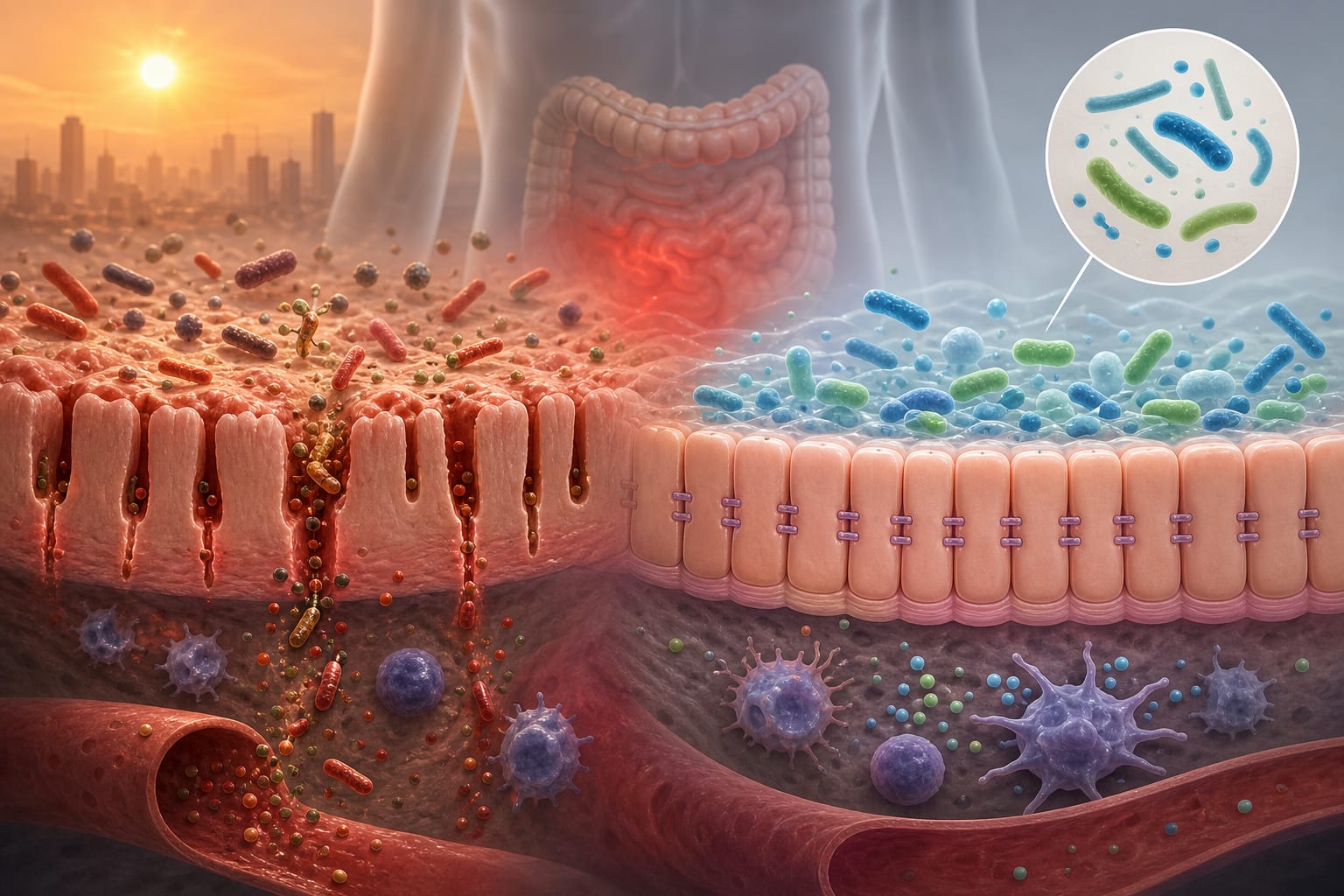
| Key Mechanisms | Disruption of intestinal tight junctions, increased intestinal permeability, systemic inflammatory response, and oxidative stress. |
| Target Population | |
| Care Setting | |
Key Highlights
- Heat stroke is characterized by rapid elevation of core body temperature and central nervous system dysfunction.
- Intestinal injury is a critical initiating factor in the pathogenesis of heat stroke.
- Probiotics may help reduce the occurrence and severity of heat stroke by maintaining gut microbiota balance.
- Long-term cognitive and motor impairments may occur in survivors of heat stroke.
Guideline-Based Recommendations
Diagnosis
- Identify symptoms of rapid temperature elevation and central nervous system dysfunction.
Management
- Early cooling remains the primary treatment for heat stroke.
Monitoring & Follow-up
- Monitor for signs of systemic inflammatory response syndrome (SIRS) and multiple organ dysfunction syndrome (MODS).
- Monitor for potential long-term cognitive effects post-recovery.
Risks
- High mortality rate in severe cases of heat stroke.
Patient & Prescribing Data
Probiotics may enhance intestinal barrier function and reduce heat stroke risk, but their effects are primarily based on animal studies.
Clinical Best Practices
- Consider gut microbiota modulation as a preventive strategy in at-risk populations.
- Monitor gut health and immune responses in patients with heat stroke.
- Further research is needed on fungal dysbiosis and its implications for heat stroke.
Related Resources & Content