Excimer 308-nm laser for the treatment of frontal fibrosing alopecia: an observational study in 30 patients
Clinical Scorecard: Efficacy of 308-nm Excimer Laser in Treating Frontal Fibrosing Alopecia: A Retrospective Study Involving 30 Patients
At a Glance
Category Detail
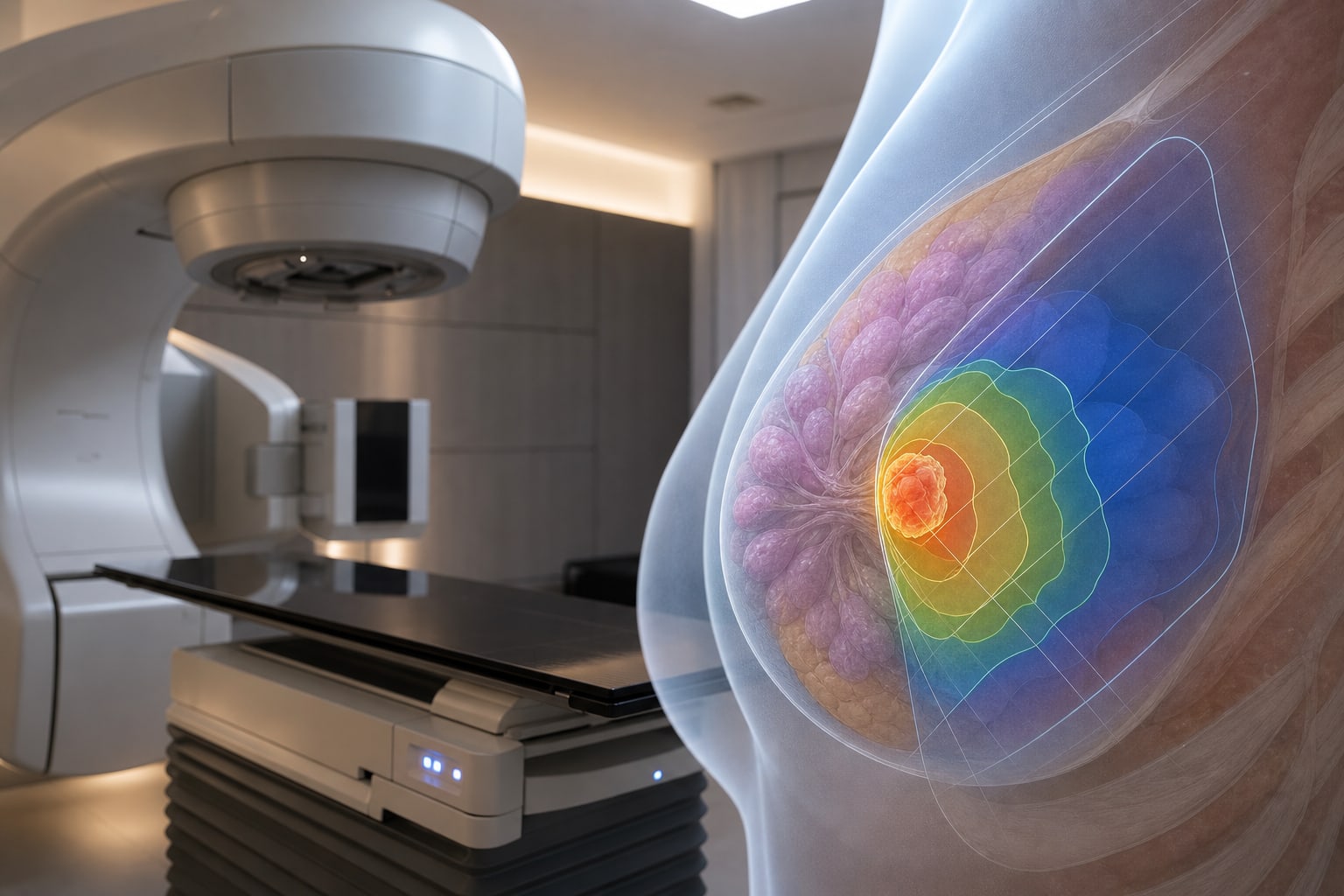
Condition Frontal Fibrosing Alopecia (FFA) Key Mechanisms 308-nm excimer laser emits narrowband ultraviolet B light, reducing local inflammation and keratinocyte proliferation, with immunomodulatory effects. Target Population Patients with symptomatic and progressive FFA, primarily women aged 47-80. Care Setting Dermatology outpatient setting.
Key Highlights
30 patients included, with a mean age of 65.2 years and 90% being women. 53.3% showed stabilization of hairline recession after 6 months. 83.3% had a one-grade improvement in erythema score. 70% showed a one-grade improvement in perifollicular hyperkeratosis. Transient erythema was the only reported adverse effect. Guideline-Based Recommendations
Diagnosis
FFA is diagnosed based on clinical and trichoscopic evaluations. Management
308-nm excimer laser is recommended as an adjuvant treatment for patients with poor response to prior therapies. Monitoring & Follow-up
Clinical response should be evaluated through standardized images and TrichoScan® assessments at baseline and after 6 months. Risks
Transient erythema is a potential adverse effect. Patient & Prescribing Data
Patients with FFA who have not responded adequately to previous treatments.
Excimer laser therapy is added without changing baseline treatment regimens.
Clinical Best Practices
Evaluate clinical response through standardized assessments. Consider excimer laser therapy for patients with symptomatic and progressive FFA. Related Resources & Content