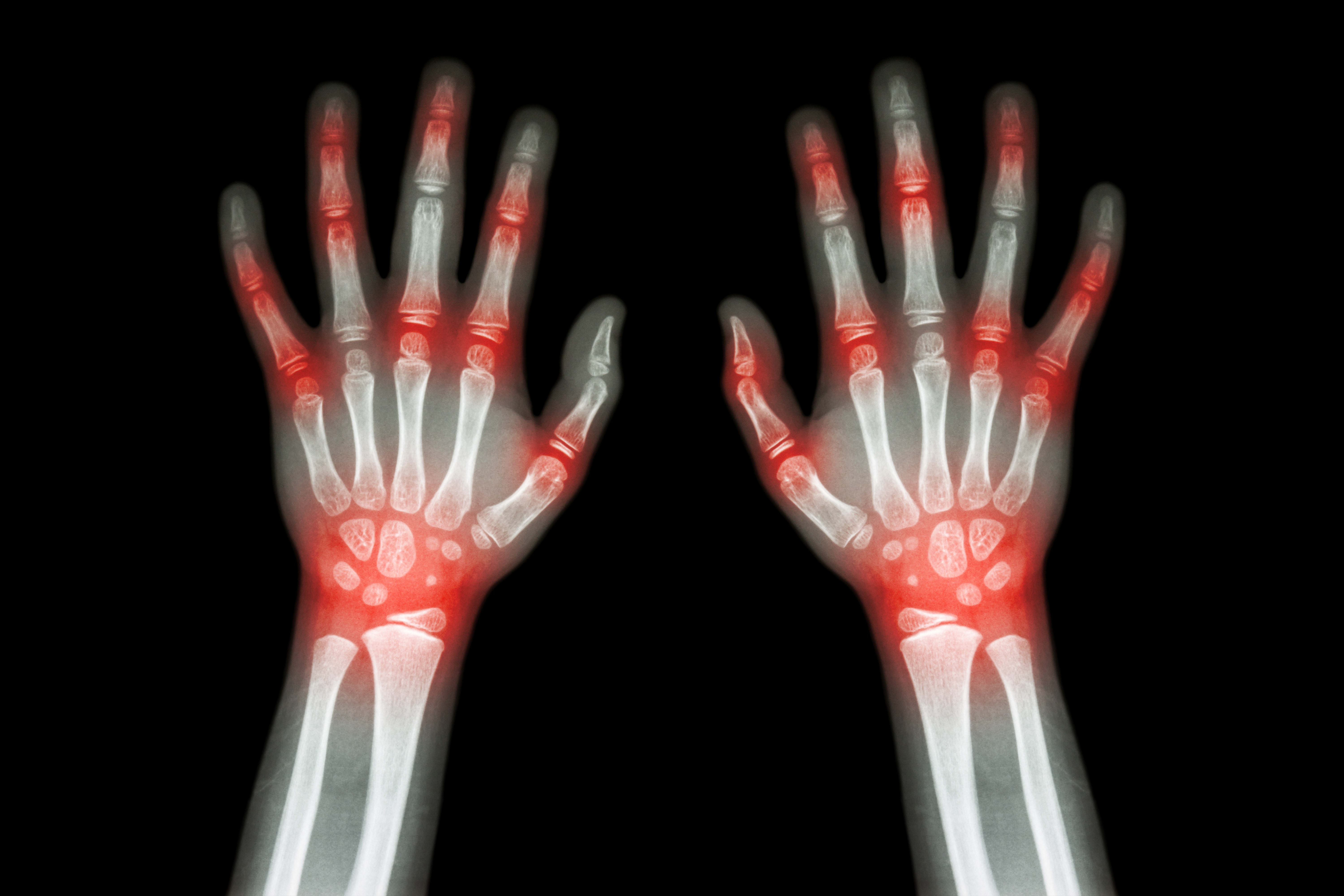
Mesenchymal Stem Cells in the Systemic Management of Rheumatoid Arthritis: Immune Balance and Microbiota Influence
By
Liujiayu Li
Jieling Wu
Yutong Wu
Juan Liu
Lu Feng
Shangfu Xu
Yuying Wang
Limei Yu
July 14, 2026
Clinical Scorecard: Mesenchymal Stem Cells in the Systemic Management of Rheumatoid Arthritis: Immune Balance and Microbiota Influence
At a Glance
Category Detail
Condition Rheumatoid Arthritis Key Mechanisms Immunomodulation and tissue repair via mesenchymal stem cells (MSCs), influencing Treg/Th17 balance and gut microbiota. Target Population Patients with rheumatoid arthritis, particularly older adults and women. Care Setting Clinical research and therapeutic application of MSCs in autoimmune disease management.
Key Highlights
MSCs exhibit anti-inflammatory and immunosuppressive effects in RA. The gut-MSC-immune axis may influence systemic immune homeostasis. Current therapies lack regenerative capacity and are economically burdensome. Preliminary clinical trials show favorable safety profiles for MSC interventions. Standardization of MSC protocols and large-scale trials are needed for efficacy validation. Guideline-Based Recommendations
Diagnosis
RA is diagnosed based on clinical criteria and imaging findings. Management
First-line DMARDs include hydroxychloroquine, methotrexate, leflunomide, and sulfasalazine. Monitoring & Follow-up
Regular assessment of disease activity and treatment response is essential. Risks
Conventional therapies are associated with gastrointestinal complications and nephrotoxicity. Patient & Prescribing Data
Individuals with rheumatoid arthritis, particularly those with severe symptoms or joint damage.
MSCs may offer a novel therapeutic strategy to address immune dysregulation and joint repair.
Clinical Best Practices
Consider MSC therapy as a complementary approach to conventional DMARDs. Monitor patient response closely due to heterogeneity in treatment outcomes. Explore microbiota-targeted interventions alongside MSC therapy. Related Resources & Content