Development and external validation of a composite biomarker-based machine learning model for sarcopenia risk stratification in patients with cardiovascular disease - Scorecard - MDSpire
Advertisement
Development and external validation of a composite biomarker-based machine learning model for sarcopenia risk stratification in patients with cardiovascular disease
Clinical Scorecard: Creation and external validation of a machine learning model utilizing composite biomarkers for assessing sarcopenia risk in individuals with cardiovascular disease
Sarcopenia affects up to one-third of patients with cardiovascular disease.
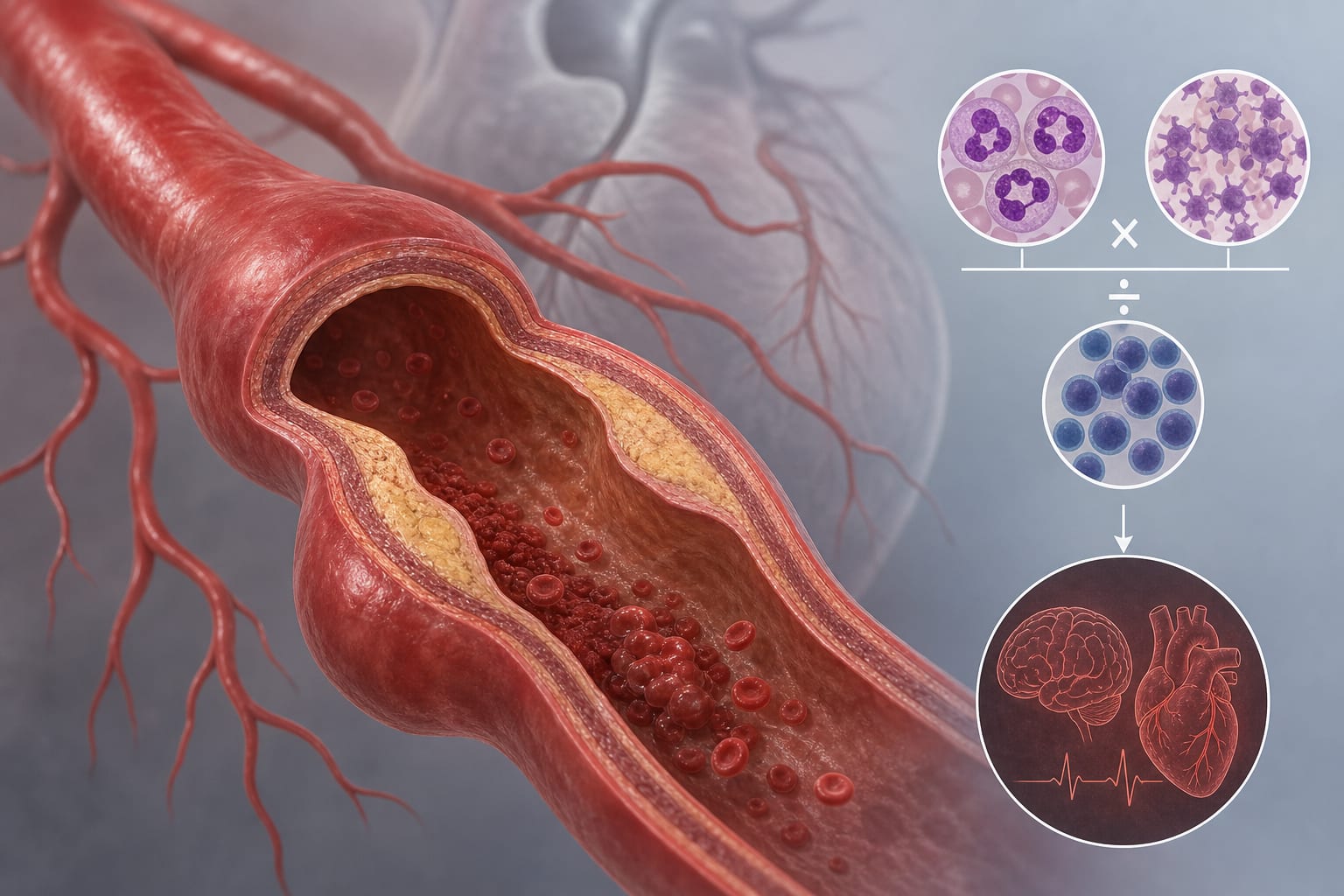
TyG-BMI showed the highest discriminative ability for sarcopenia (AUC = 0.938).
The CatBoost model demonstrated good discrimination across multiple cohorts.
The Cardiovascular Disease–Sarcopenia Risk Score (CVD-SRS) provides consistent risk stratification.
Early recognition of sarcopenia is crucial for prognostic assessment and risk management.
Guideline-Based Recommendations
Diagnosis
Current diagnosis relies on frameworks by the Asian Working Group for Sarcopenia (AWGS) and the European Working Group on Sarcopenia in Older People (EWGSOP).
Management
Timely initiation of preventive interventions is essential for patients with CVD and sarcopenia.
Monitoring & Follow-up
Regular assessment of muscle strength, mass, and physical performance is recommended.
Risks
Sarcopenia in CVD is associated with increased risks of major adverse cardiovascular events and mortality.
Patient & Prescribing Data
Individuals with cardiovascular disease at risk for sarcopenia.
Composite metabolic biomarkers, particularly TyG-BMI, are useful for early risk assessment.
Clinical Best Practices
Utilize machine learning models for integrating multidimensional biomarker information.
Implement practical tools for early risk stratification in clinical settings.