Utilization of the Seraph® 100 Affinity Blood Filter in a Pediatric Case of Refractory Streptococcal Septic Shock: A Case Study
Clinical Scorecard: Utilization of the Seraph® 100 Affinity Blood Filter in a Pediatric Case of Refractory Streptococcal Septic Shock: A Case Study
At a Glance
| Category | Detail |
|---|
| Condition | Refractory Streptococcal Septic Shock |
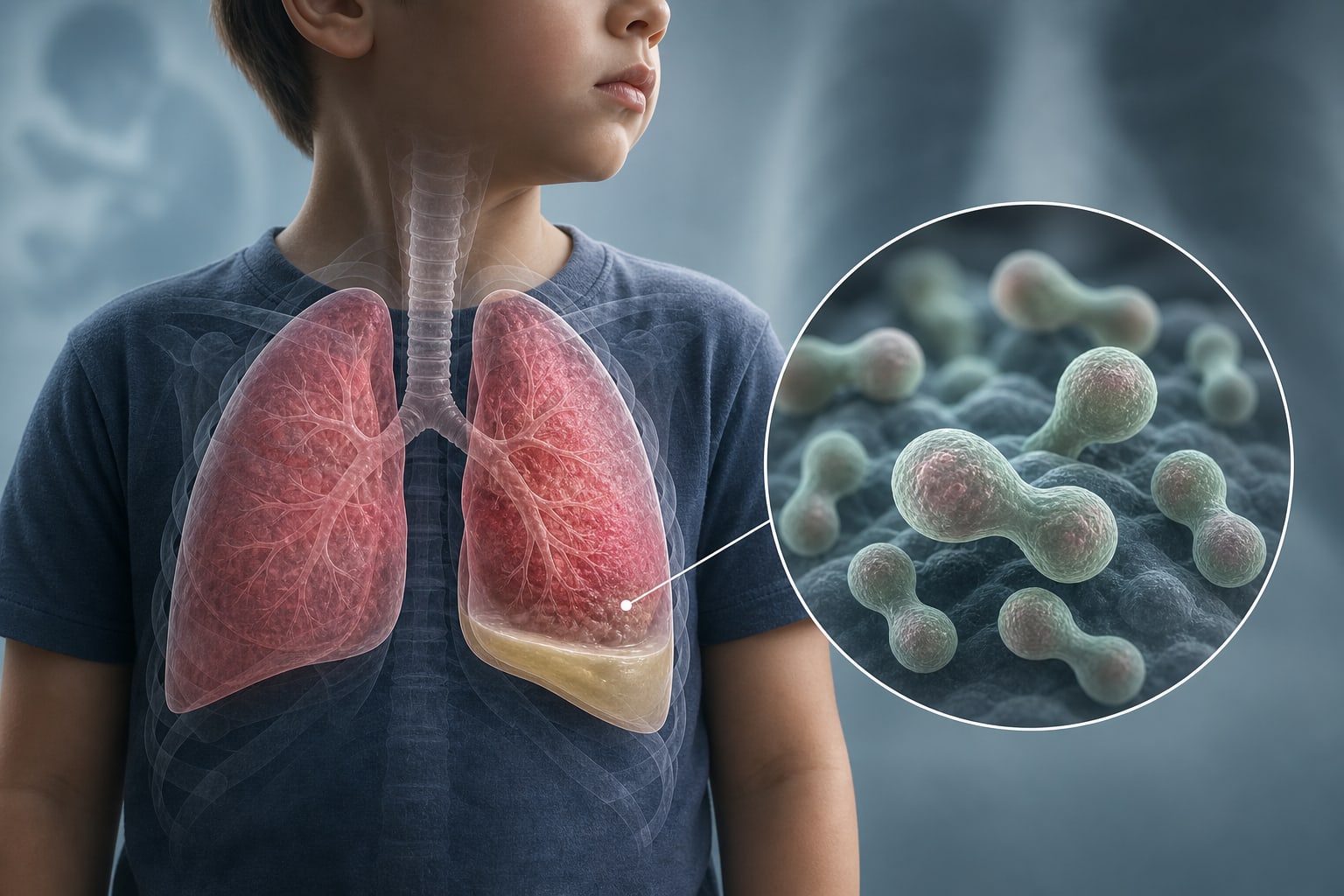
| Key Mechanisms | Invasive Streptococcus pyogenes infection leading to severe inflammatory dysregulation and multiorgan dysfunction. |
| Target Population | Pediatric patients, particularly those with severe invasive streptococcal infections. |
| Care Setting | Pediatric Intensive Care Unit (PICU) |
Key Highlights
- Patient experienced severe multiorgan dysfunction despite standard therapy.
- Hemoperfusion with Seraph® 100 initiated 42 hours after PICU admission.
- Improvement in metabolic parameters and reduction in vasoactive support observed post-treatment.
- Patient required bilateral lower-limb amputations due to severe peripheral ischemia.
- Survived and discharged after prolonged hospitalization.
Guideline-Based Recommendations
Diagnosis
- Confirm invasive Streptococcus pyogenes infection through blood cultures and rapid antigen testing.
Management
- Initiate broad-spectrum antibiotics and intravenous immunoglobulin for severe invasive streptococcal infections.
Monitoring & Follow-up
- Monitor hemodynamic status, metabolic parameters, and organ function closely.
Risks
- Potential for severe peripheral ischemia and multiorgan dysfunction despite treatment.
Patient & Prescribing Data
Previously healthy pediatric patients with refractory septic shock.
Seraph® 100 filter does not significantly remove commonly used antibiotics, allowing continued antimicrobial therapy.
Clinical Best Practices
- Aggressive resuscitation following international pediatric sepsis guidelines.
- Consideration of extracorporeal blood purification strategies in refractory cases.
Related Resources & Content