Clinical Scorecard: Long-Term Outcomes for Individuals Who Donated Liver Portions
At a Glance
Category
Detail
Condition
Living donor liver transplantation (LDLT) and its long-term donor outcomes
Key Mechanisms
Partial liver donation with right or left liver grafts; surgical techniques affecting donor safety and graft sufficiency; biliary complications as major postoperative concerns
Target Population
Living liver donors undergoing partial hepatectomy for LDLT
Care Setting
Transplant centers performing living donor liver transplantation with long-term follow-up
Key Highlights
Living donor liver transplantation addresses deceased donor shortages but donor long-term outcomes remain incompletely understood.
Biliary complications, including leakage and strictures, are the most frequently reported long-term donor complications.
Donor mortality is low (0.2% in-hospital), but complication rates range from 15 to 40% in the first year post-donation.
Guideline-Based Recommendations
Diagnosis
Monitor for early postoperative bile leakage, especially in donors with grafts close to the main bile duct or multiple hepatic arteries.
Assess for biliary strictures during follow-up, particularly in donors with prior bile leakage.
Management
Use surgical techniques balancing donor safety and graft volume, favoring left liver grafts and minimally invasive approaches to reduce donor risk.
Address biliary complications promptly with hospital readmission and invasive procedures as needed.
Monitoring & Follow-up
Implement long-term follow-up beyond one year to detect persistent biliary complications and other late adverse events.
Evaluate donor quality of life and physical and psychological health during follow-up.
Risks
Donor death is rare but devastating; biliary complications can lead to hospital readmissions and additional surgeries.
Surgical trauma near the main bile duct and extensive dissection for multiple arteries increase risk of bile leakage and ischemic injury.
Patient & Prescribing Data
Living liver donors with partial hepatectomy for LDLT
Donors require informed consent including discussion of potential long-term biliary complications and quality of life impacts; minimally invasive and left graft techniques may improve donor safety.
Clinical Best Practices
Careful preoperative assessment of biliary anatomy to minimize risk of bile duct injury.
Preference for left liver grafts and minimally invasive donor hepatectomy when feasible to enhance donor safety.
Close early postoperative monitoring for bile leakage and strictures with timely intervention.
Long-term systematic follow-up to monitor and manage late complications and assess donor quality of life.
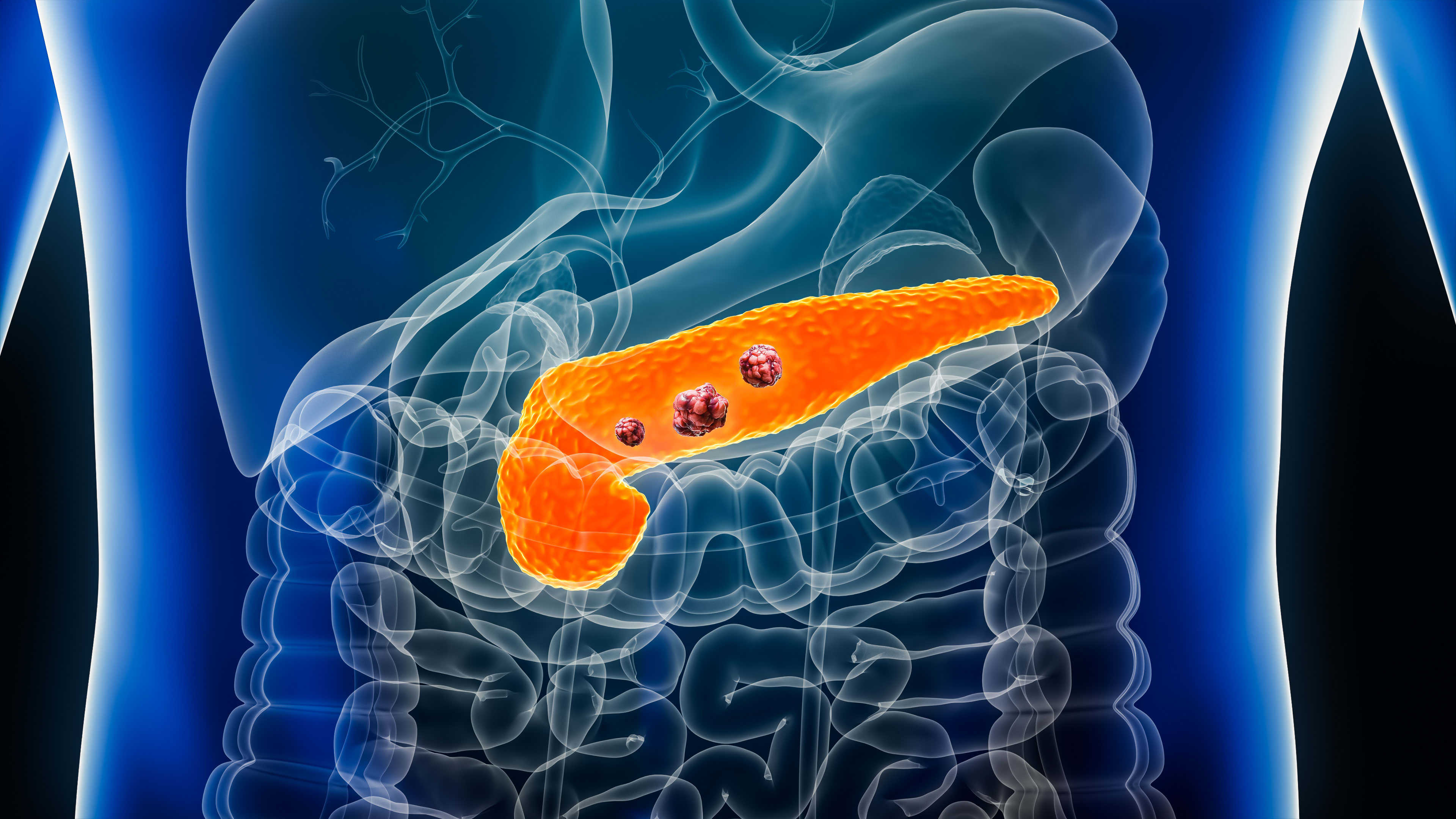
In the phase 3 PANOVA-3 trial, adding Tumor Treating Fields therapy to gemcitabine and nab-paclitaxel was associated with improved overall survival and delayed pain progression in adults with locally advanced pancreatic cancer.