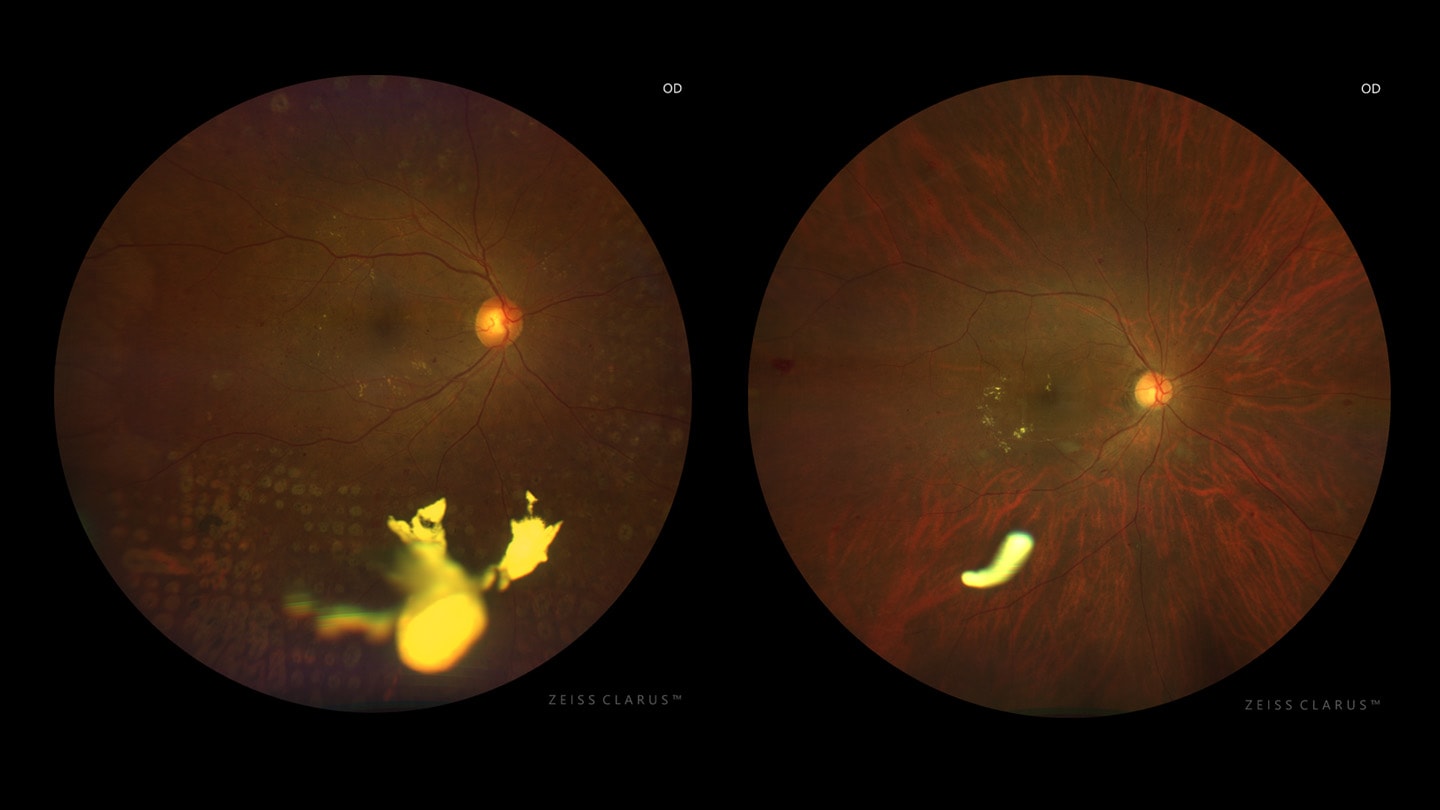
Steroid Strategies in Diabetic Macular Edema
Clinical Scorecard: Steroid Strategies in Diabetic Macular Edema
At a Glance
Category Detail
Condition Diabetic Macular Edema (DME) Key Mechanisms Involves VEGF-mediated vascular permeability and chronic inflammation. Target Population Patients with diabetic macular edema, particularly those with inadequate response to anti-VEGF therapy. Care Setting Ophthalmology clinics and practices managing diabetic eye diseases.
Key Highlights
Corticosteroids provide a broader anti-inflammatory effect compared to anti-VEGF agents. Patient selection is critical to optimize outcomes and minimize adverse effects. Intravitreal corticosteroids can improve adherence due to reduced injection frequency. Emerging OCT biomarkers may predict response to steroid therapy. Corticosteroids target multiple inflammatory pathways contributing to DME. Guideline-Based Recommendations
Diagnosis
Utilize OCT biomarkers to assess inflammatory activity in DME. Management
Consider corticosteroids for chronic, refractory, or inflammation-driven DME. Monitoring & Follow-up
Regularly assess visual acuity and retinal anatomy post-treatment. Risks
Monitor for intraocular pressure elevation and cataract progression in steroid responders. Patient & Prescribing Data
Patients with diabetic macular edema, especially those unresponsive to anti-VEGF therapy.
Triamcinolone (2-4 mg) offers short-term relief; dexamethasone implants provide sustained delivery for 3-4 months.
Clinical Best Practices
Tailor corticosteroid therapy based on ocular characteristics and prior treatment responses. Assess glaucoma risk before initiating corticosteroid treatment. Utilize a multidisciplinary approach for managing DME, integrating both anti-VEGF and corticosteroid therapies. Related Resources & Content