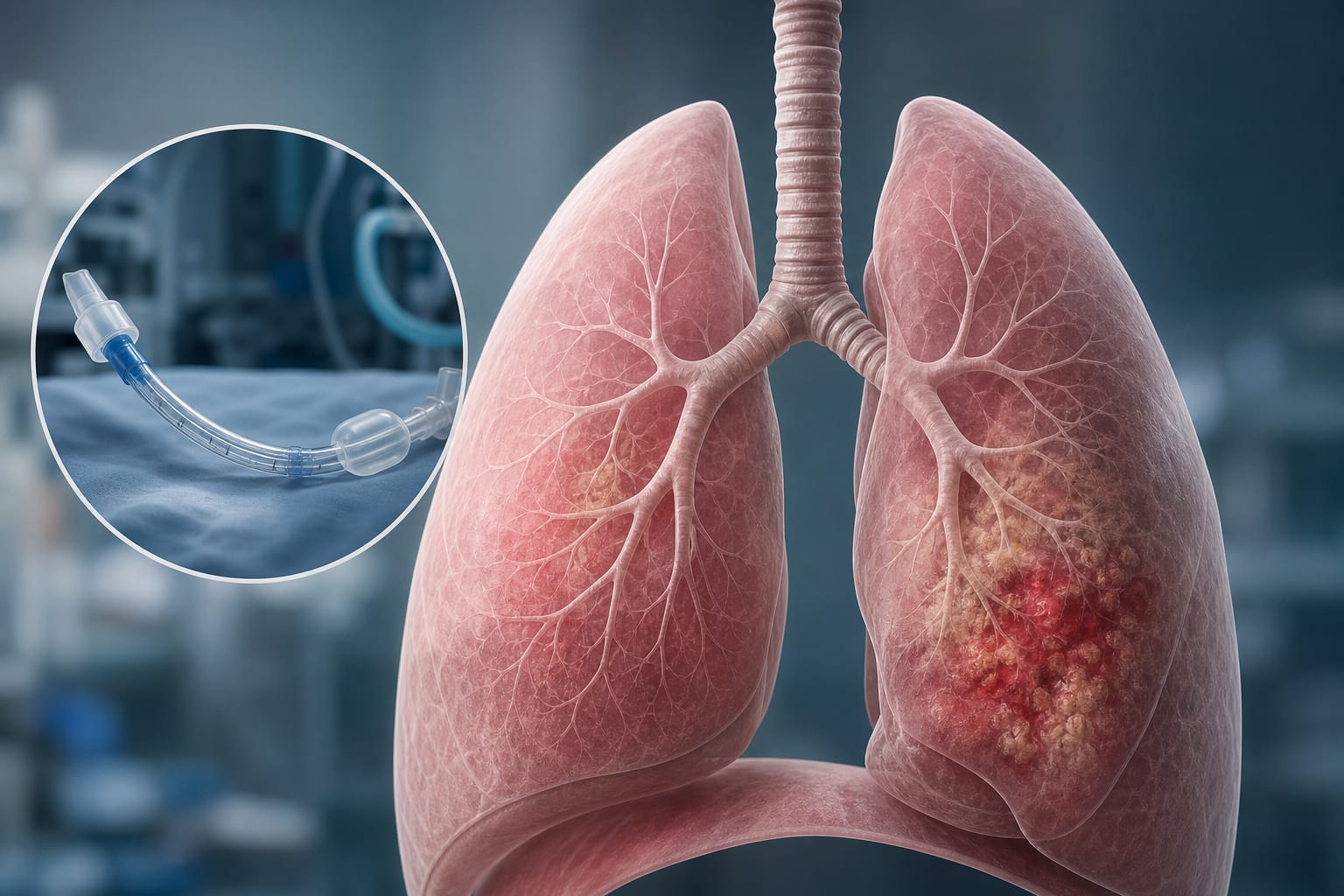
Clinical Scorecard: A 13-Year Experience in Diagnosing and Managing Lung Abscesses in Children
At a Glance
Category
Detail
Condition
Lung Abscess in Children (a complication of pneumonia)
Key Mechanisms
Thick-walled, pus-filled cavitary lesions resulting from pneumonia, categorized into primary and secondary based on underlying health status.
Target Population
Pediatric patients aged 1 month to 18 years.
Care Setting
Tertiary care center.
Key Highlights
Lung abscesses can be primary (in healthy children) or secondary (due to underlying conditions).
Common causative agents include Staphylococcus aureus, Group A Streptococcus, Escherichia coli, and Klebsiella pneumonia.
90% of primary lung abscesses resolve with appropriate antibiotic treatment.
Imaging modalities include chest X-ray, thoracic USG, and CT for diagnosis and management.
Surgical intervention may be required if medical therapy fails.
Guideline-Based Recommendations
Diagnosis
Diagnosis based on air-fluid levels on chest X-rays and thick-walled lesions on CT.
Differentiation between primary and secondary lung abscesses is crucial.
Management
Initiate antibiotic treatment promptly, targeting Streptococcus pneumoniae and Staphylococcus aureus.
Treatment duration typically spans 4-6 weeks, starting with parenteral therapy. Common antibiotics include penicillins, ceftriaxone, clindamycin, and metronidazole.
Monitoring & Follow-up
Follow-up imaging with chest X-ray or CT based on clinical course.
Monitor for resolution of abscess and surrounding inflammatory changes.
Risks
Untreated lung abscesses may lead to empyema, pyothorax, or pneumothorax.
Patient & Prescribing Data
Children with lung abscesses, both primary and secondary.
Antibiotic therapy should be guided by local resistance patterns and underlying conditions.
Clinical Best Practices
Early recognition and differentiation of lung abscess types to guide treatment.
Utilize imaging effectively for diagnosis and management planning.
Consider surgical options if there is no response to medical therapy.
Follow-up imaging is essential to assess treatment efficacy.
Analysis of nearly 1.6 million veterans showed preexisting community health inequities largely explained poststorm cardiovascular and respiratory outcomes.