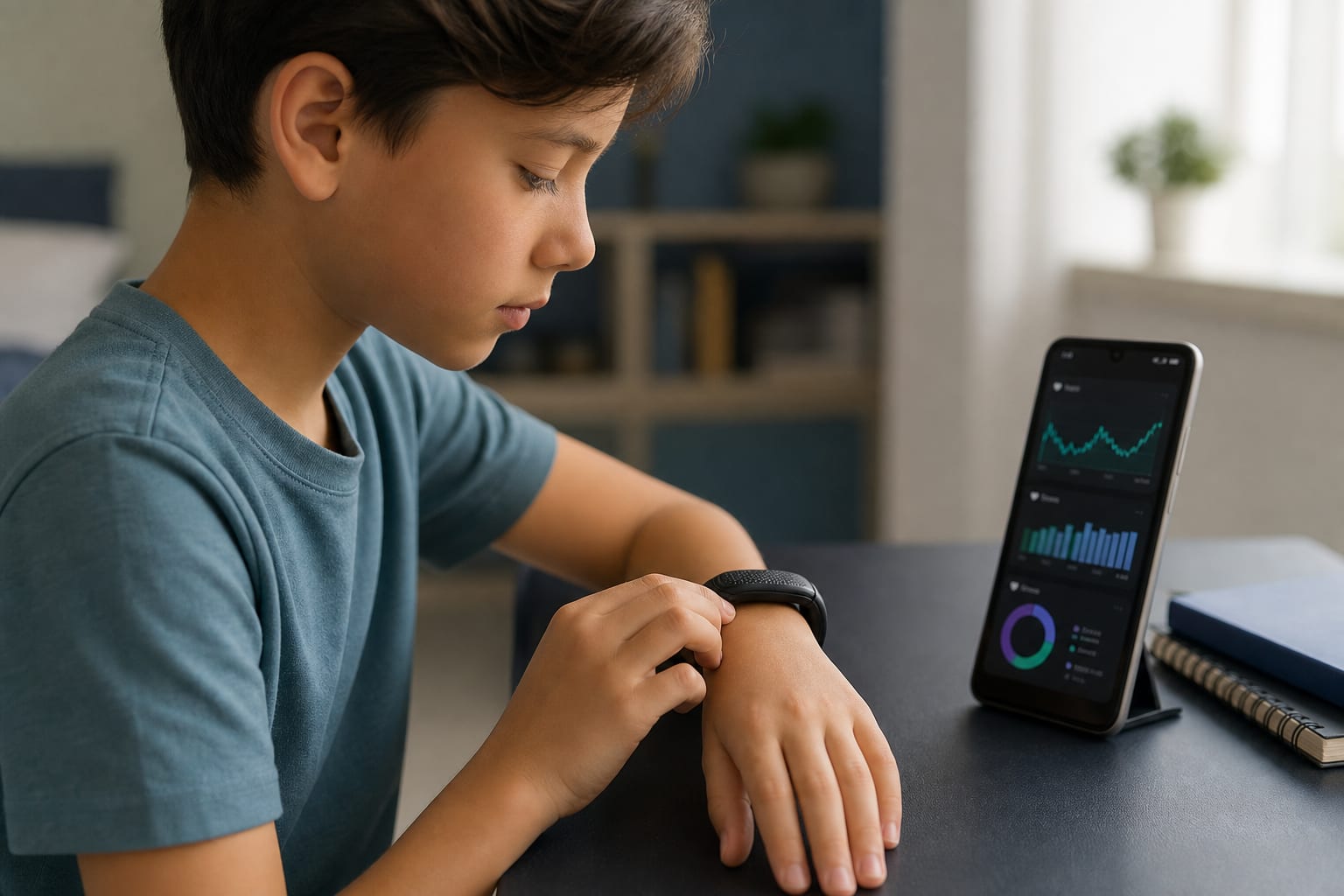
Clinical Scorecard: Non-Invasive Approaches Utilizing Digital Technologies for Stress Detection, Monitoring, and Management in Pediatric Populations: A Scoping Review
At a Glance
Category
Detail
Condition
Pediatric Stress
Key Mechanisms
Non-invasive technologies including wearable devices, mobile health applications, and biofeedback tools.
Target Population
Children and adolescents aged 0–18 years.
Care Setting
Schools, homes, laboratories, therapy settings, and emerging clinical environments.
Key Highlights
Conventional stress assessments are often invasive and burdensome for pediatric populations.
Wearable and mobile sensing approaches dominate the literature on pediatric stress.
There is a need for standardized protocols for stress induction and assessment in children.
Ethical, privacy, and implementation issues are acknowledged but not systematically addressed.
Future research should focus on developing age-appropriate stress protocols and improving dataset diversity.
Guideline-Based Recommendations
Diagnosis
Utilize non-invasive technological methods for stress detection and monitoring.
Management
Incorporate biofeedback, serious games, and caregiver-mediated interventions for stress mitigation.
Monitoring & Follow-up
Implement real-time monitoring through wearable and mobile health technologies.
Risks
Consider ethical and privacy concerns in the deployment of stress detection technologies.
Patient & Prescribing Data
Pediatric populations aged 0–18 years.
Non-invasive technologies show potential for real-time stress detection and management.
Clinical Best Practices
Develop and validate age-appropriate stress assessment protocols.
Ensure ecological validity in longitudinal studies of stress technologies.
Address ethical and privacy considerations in the implementation of stress detection systems.