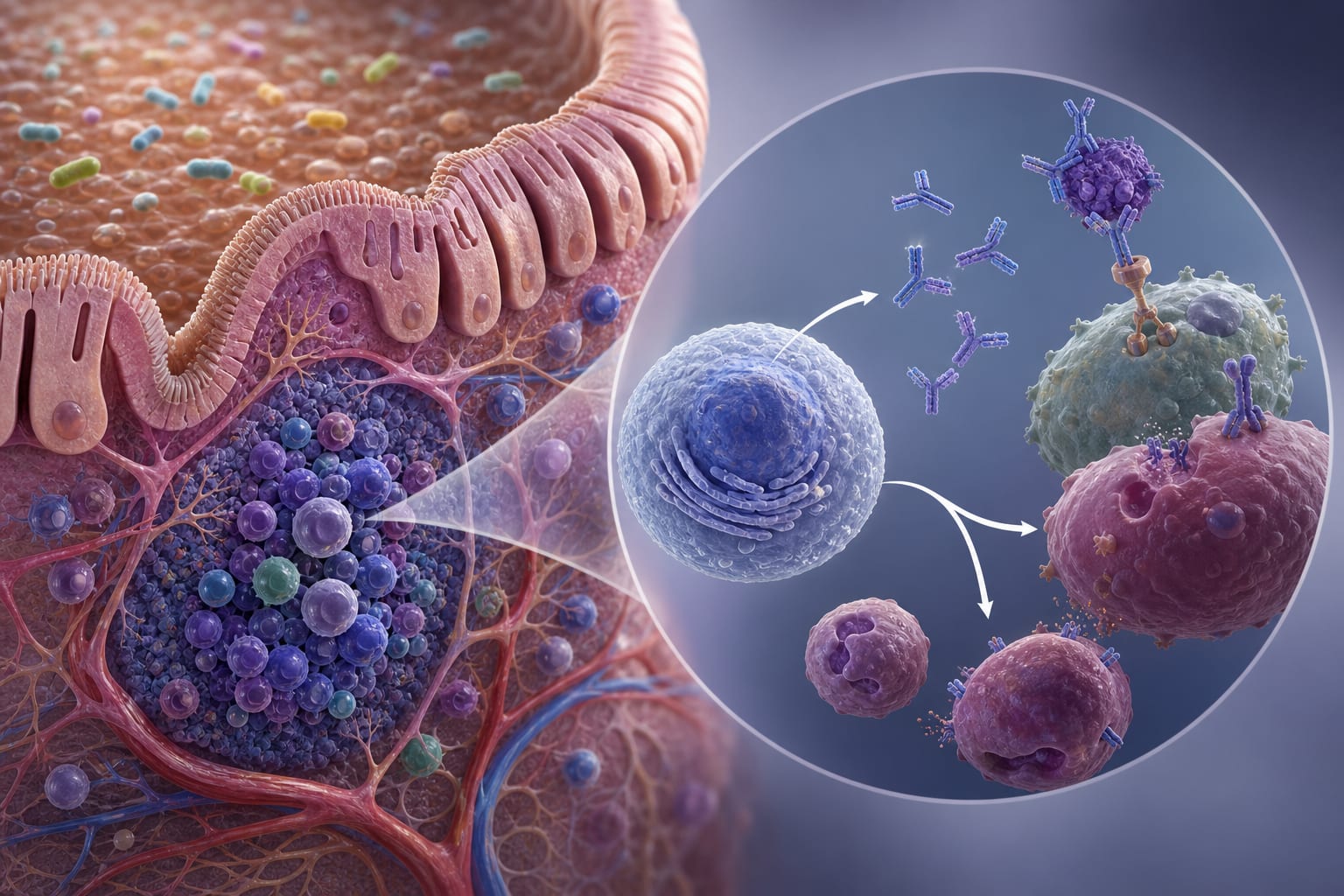
Clinical Scorecard: The Function of the Complement System in Diseases Associated with the Gastrointestinal Tract
At a Glance
Category
Detail
Condition
Key Mechanisms
Activation pathways of the complement system, including classical, lectin, and alternative pathways; regulation of immune responses and interactions with the gut microbiome.
Target Population
Care Setting
Key Highlights
The complement system links innate and adaptive immunity.
Genetic abnormalities or overactivation are linked to intestinal disorders.
The complement system plays a role in the tumor microenvironment of the gut.
Regulatory proteins protect healthy cells from complement-mediated damage.
Understanding complement mechanisms can inform new therapeutic approaches.
The complement system regulates inflammation in the gut.
Guideline-Based Recommendations
Diagnosis
Management
Consider targeting the complement system for therapeutic interventions in gastrointestinal diseases, including monoclonal antibodies and complement inhibitors.
Monitoring & Follow-up
Risks
Patient & Prescribing Data
Patients with gastrointestinal disorders linked to complement system dysfunction.
Potential for innovative treatments targeting complement pathways.
Clinical Best Practices
Integrate assessment of the complement system in the management of gastrointestinal disorders.
Utilize regulatory proteins to mitigate unintended complement activation.
Educate patients on the role of the complement system in gastrointestinal health.