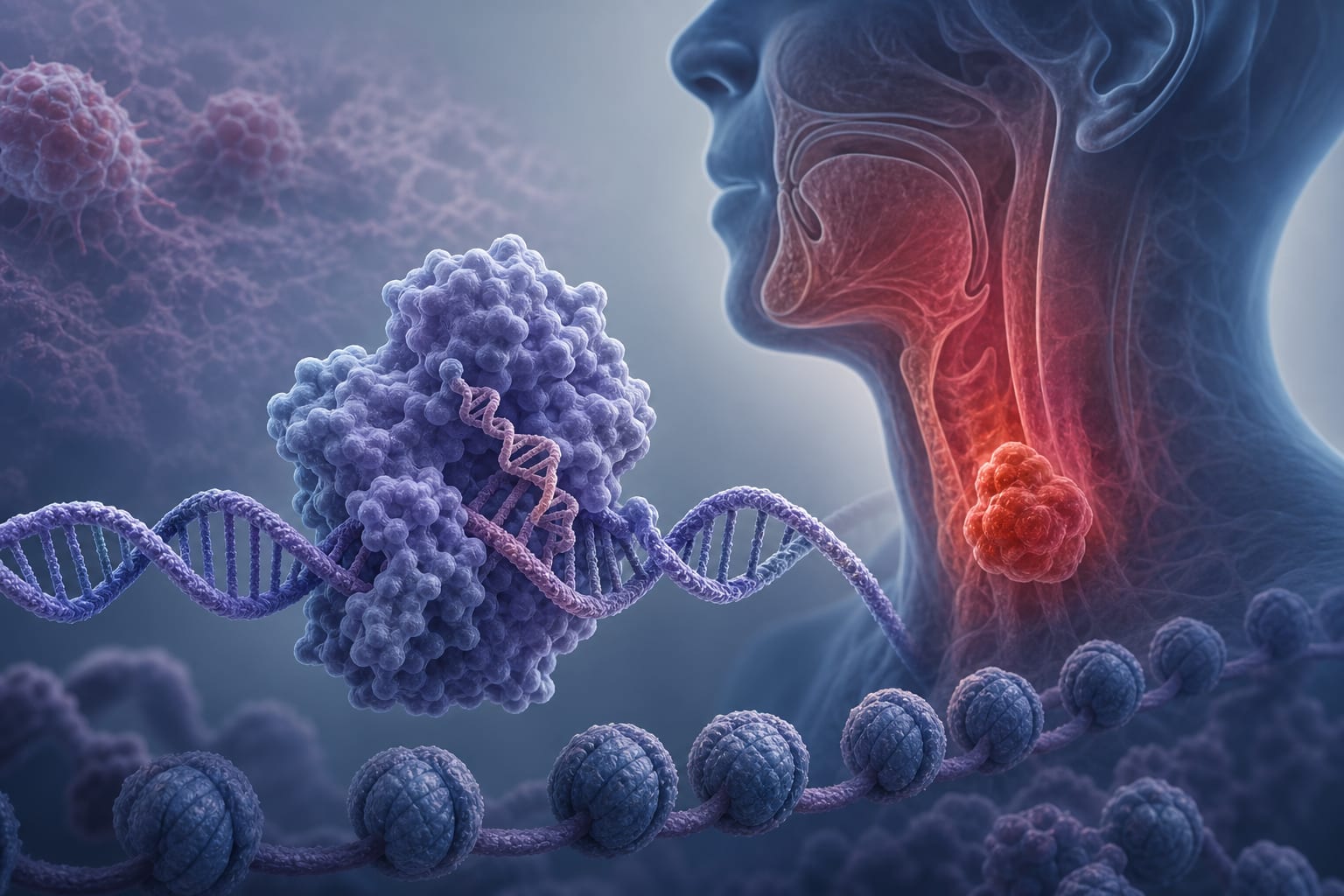
Immune–tumor cell ligand–receptor axes driving metabolic reprogramming and therapeutic resistance in cancer
-
By
-
Hailin Zhu
-
Wang Yi
-
Yujie Wu
-
Rong Li
-
Boxuan Zhou
-
June 16, 2026
-
Clinical Scorecard: Ligand-Receptor Interactions Between Immune and Tumor Cells Influence Metabolic Changes and Resistance to Cancer Treatments
At a Glance
| Category | Detail |
|---|
| Condition | Cancer therapeutic resistance |
| Key Mechanisms | Ligand-receptor signaling between immune and tumor cells influencing metabolic reprogramming and therapy resistance |
| Target Population | Patients with various cancers experiencing therapeutic resistance |
| Care Setting | Oncology |
Key Highlights
- Immune–tumor ligand–receptor axes drive tumor metabolic reprogramming.
- Lactate signaling and macrophage-derived inflammatory cues integrate immune suppression with therapy failure.
- Targeting immune–tumor communication may help overcome resistant tumor niches.
Guideline-Based Recommendations
Diagnosis
- Assess tumor microenvironment interactions and immune cell contributions.
Management
- Consider strategies targeting immune–tumor communication and metabolic dependencies.
Monitoring & Follow-up
- Utilize technologies like single-cell transcriptomics and metabolomics to map communication networks.
Risks
- Therapeutic stress may reinforce survival circuits in residual cancer cells.
Patient & Prescribing Data
Patients with tumors exhibiting resistance to therapies
Understanding immune-tumor interactions may inform treatment strategies.
Clinical Best Practices
- Integrate assessment of immune cell signaling in treatment planning.
- Monitor metabolic adaptations in response to therapy.
Related Resources & Content