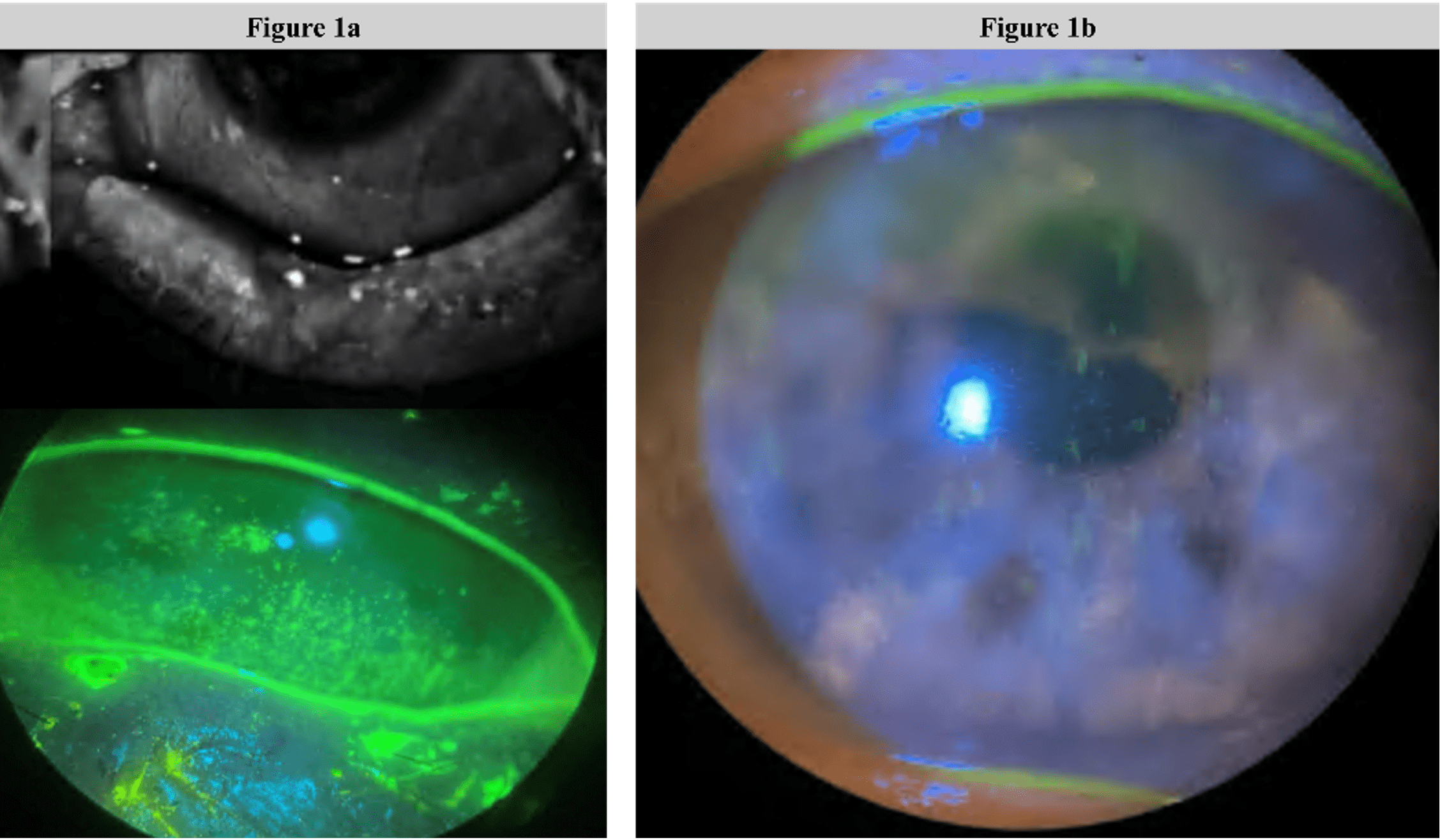
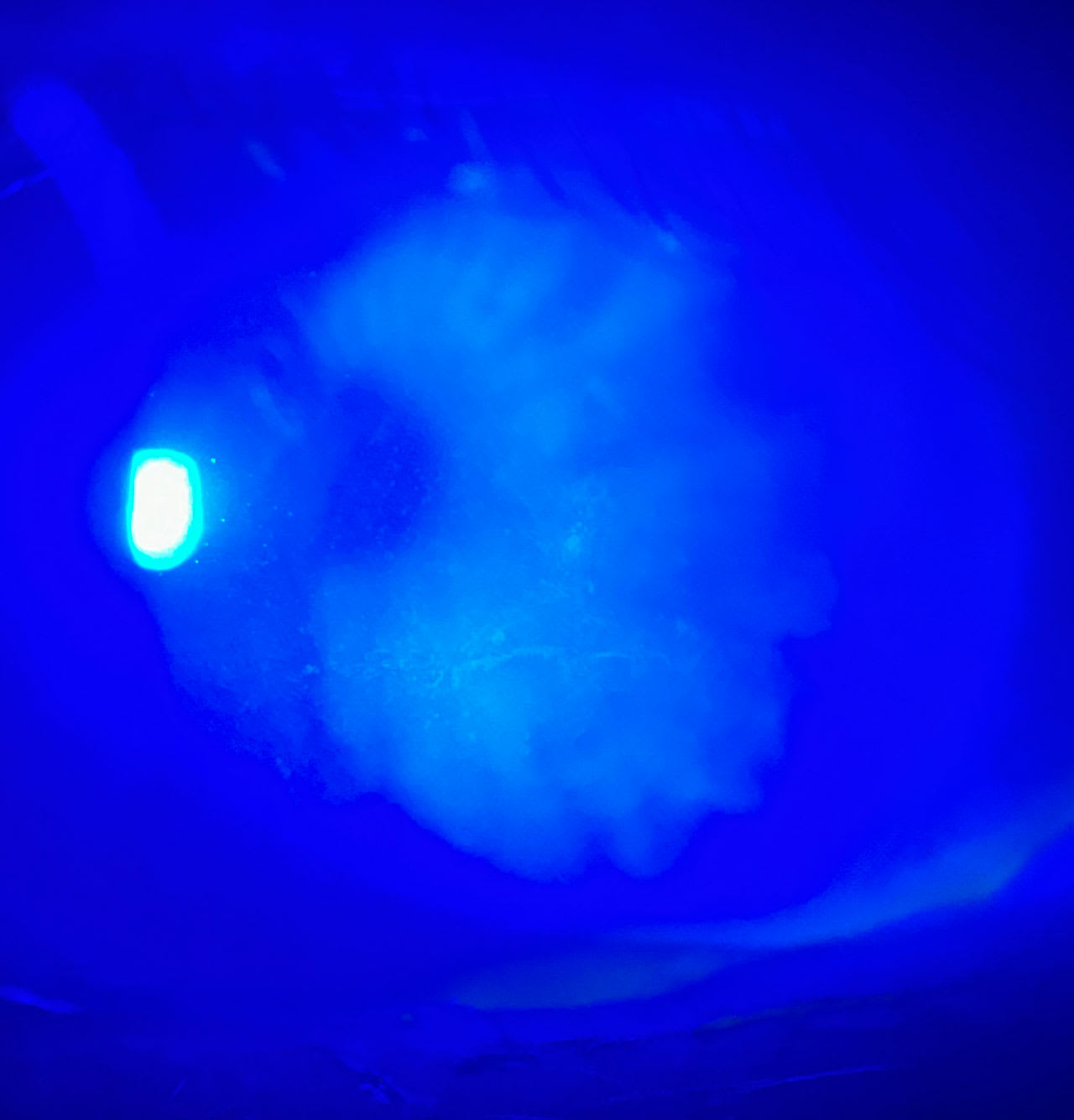
Patients with ocular surface disease, particularly those with diabetes, prior herpetic disease, history of ocular surgeries, or severe dry eye disease.
Care Setting
Key Highlights
Early identification of NK is crucial to prevent complications such as scarring and vision loss.
The condition is classified into three stages based on corneal damage severity.
Management strategies include preservative-free lubrication, immunomodulators, and potential surgical interventions.
Corneal sensitivity testing is essential for diagnosis and monitoring.
Recombinant human nerve growth factor (rhNGF) is FDA approved for stages 2 to 3 NK.
Corneal sensitivity testing is critical for diagnosis.
Guideline-Based Recommendations
Diagnosis
Perform slit lamp examination and corneal sensitivity testing.
Utilize vital stains and Schirmer test to evaluate ocular surface integrity.
Consider additional examinations such as in vivo confocal microscopy.
Management
Use preservative-free lubrication and consider punctal occlusion for tear retention.
Initiate topical antibiotics if persistent epithelial defects are present.
Consider rhNGF or cryopreserved amniotic membrane for nonresponsive stage 1 patients.
Monitoring & Follow-up
Schedule follow-up appointments based on disease severity and response to treatment.
Monitor for complications such as hypoxia or microbial risk with bandage contact lenses.
Risks
Delayed recognition can lead to persistent epithelial defects, stromal melt, and vision loss.
Patients with a history of severe dry eye disease are at increased risk for developing NK.
Patient & Prescribing Data
Optimal healing may require multiple staged interventions and patient education on the chronic nature of the condition, emphasizing the importance of adherence to treatment.
Clinical Best Practices
Incorporate corneal sensitivity testing into initial evaluations.
Frame NK as a chronic condition to enhance patient compliance with treatment.
Utilize a combination of therapies tailored to the stage of NK.
Diabetic patients have an increased risk of corneal disorders, including superficial punctate keratitis, recurrent corneal erosions, persistent epithelial defects, corneal ulcers, and a higher likelihood of developing dry eye disease (DED).These corneal changes comprise the condition diabetic keratopathy.