Clinical Scorecard: Exploring Oral Health Issues in Cancer Treatment for Children and Adults
At a Glance
Category
Detail
Condition
Oral health challenges in cancer treatment
Key Mechanisms
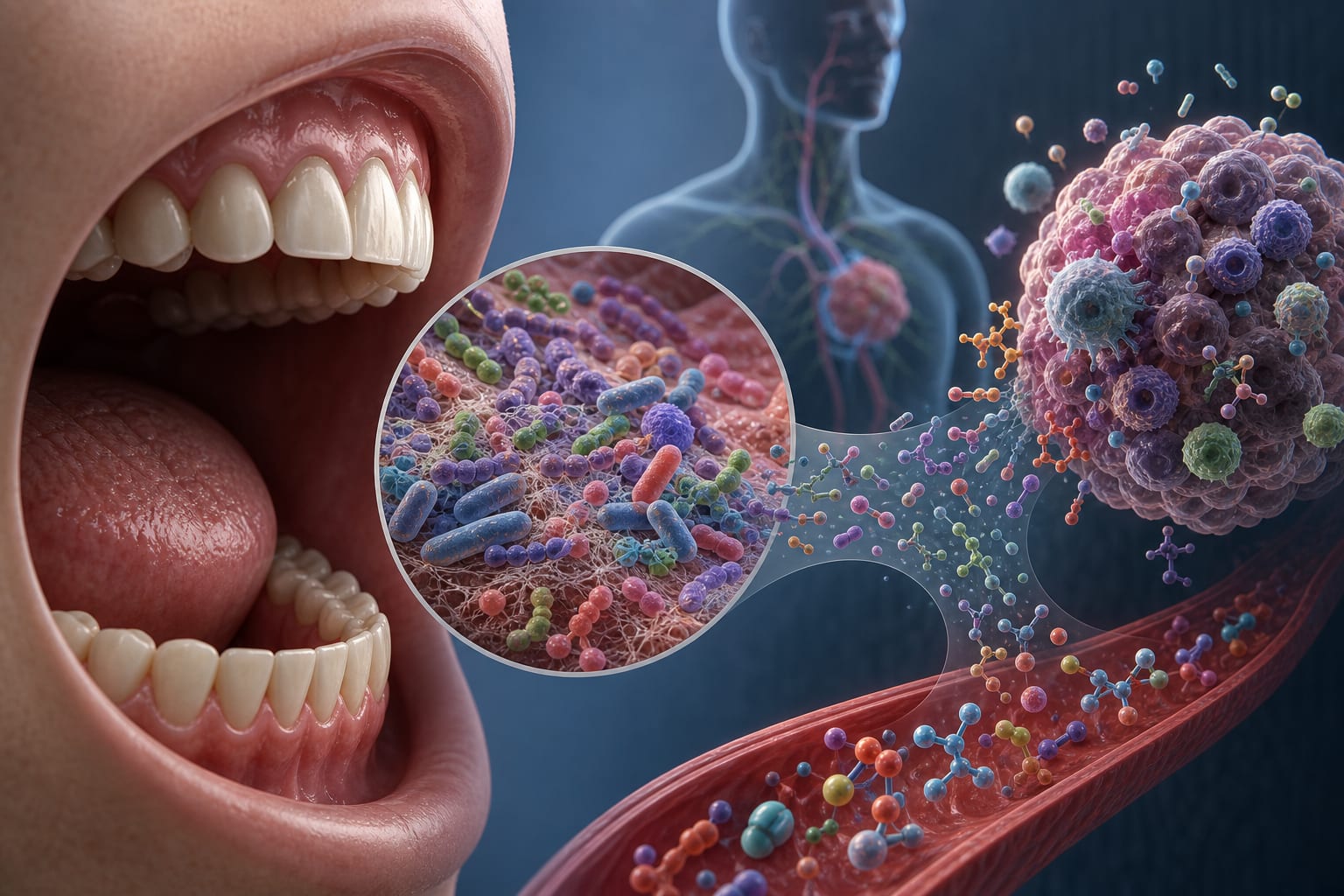
Interaction between oral microbiome and systemic response to oncological treatment; modulation of pharmacokinetics and pharmacodynamics of antineoplastic agents.
Target Population
Pediatric and adult cancer patients
Care Setting
Oncology care with a focus on oral health management
Key Highlights
Oral microbial signatures can predict responses to neoadjuvant chemotherapy in TNBC.
Oral dysbiosis can compromise the efficacy of chemotherapy regimens.
Telemedicine and mobile applications significantly reduce oral mucositis severity.
MRI techniques provide high diagnostic accuracy for detecting iron overload in pediatric patients.
Radiological tools like DENTALE assess late dental and skeletal alterations in cancer survivors.
Guideline-Based Recommendations
Diagnosis
Use advanced imaging techniques for monitoring iron overload in pediatric oncology.
Management
Implement microbiological stratification before initiating cancer treatment.
Utilize digital outpatient support for real-time monitoring of oral health.
Monitoring & Follow-up
Incorporate electronic symptom monitoring systems to improve adherence to chemotherapy.
Risks
Cytotoxic regimens can lead to oral mucositis and systemic infections.
Patient & Prescribing Data
Children and adults undergoing cancer treatment
Oral health management is critical for maintaining treatment efficacy and quality of life.
Clinical Best Practices
Stratify patients based on oral microbiome profiles.
Ensure continuity of care through interactive digital monitoring.