Tracking Retinal Health With Wearable Technology - Scorecard - MDSpire
Advertisement
Tracking Retinal Health With Wearable Technology
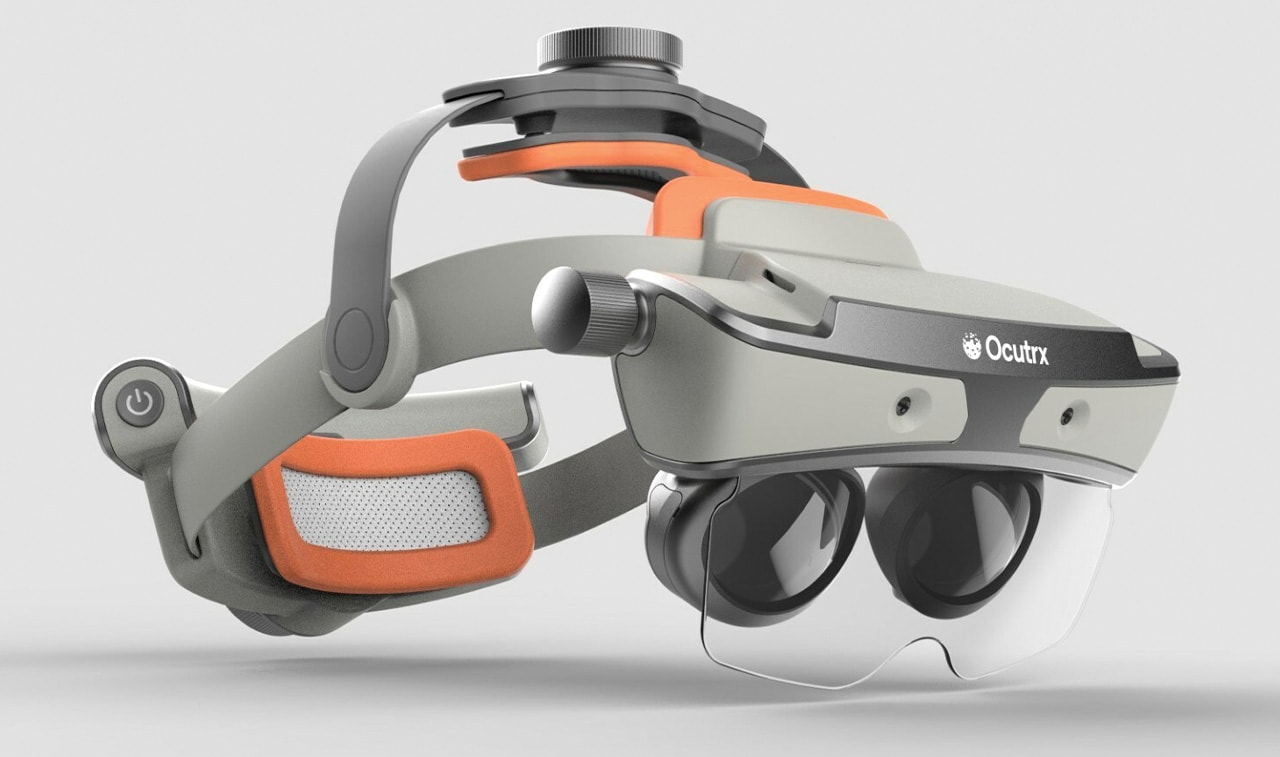
The use of wearable devices for health monitoring has attracted significant interest from patients, physicians, and other healthcare professionals because of their potential to usher in a new era of personalized, accessible, and convenient care. This article explores the use of wearable technology for monitoring retinal health, both through direct assessment of ocular parameters—such as visual field testing and imaging—and through systemic monitoring of surrogate markers of retinal health.
Federal prosecutors allege that a Florida physician and research staff fabricated clinical trial records that were submitted into database systems used to evaluate investigational drugs.
In a 76-week randomized trial, patients with obesity without diabetes who received survodutide achieved greater weight loss and favorable changes in several metabolic measures compared with those who received placebo.