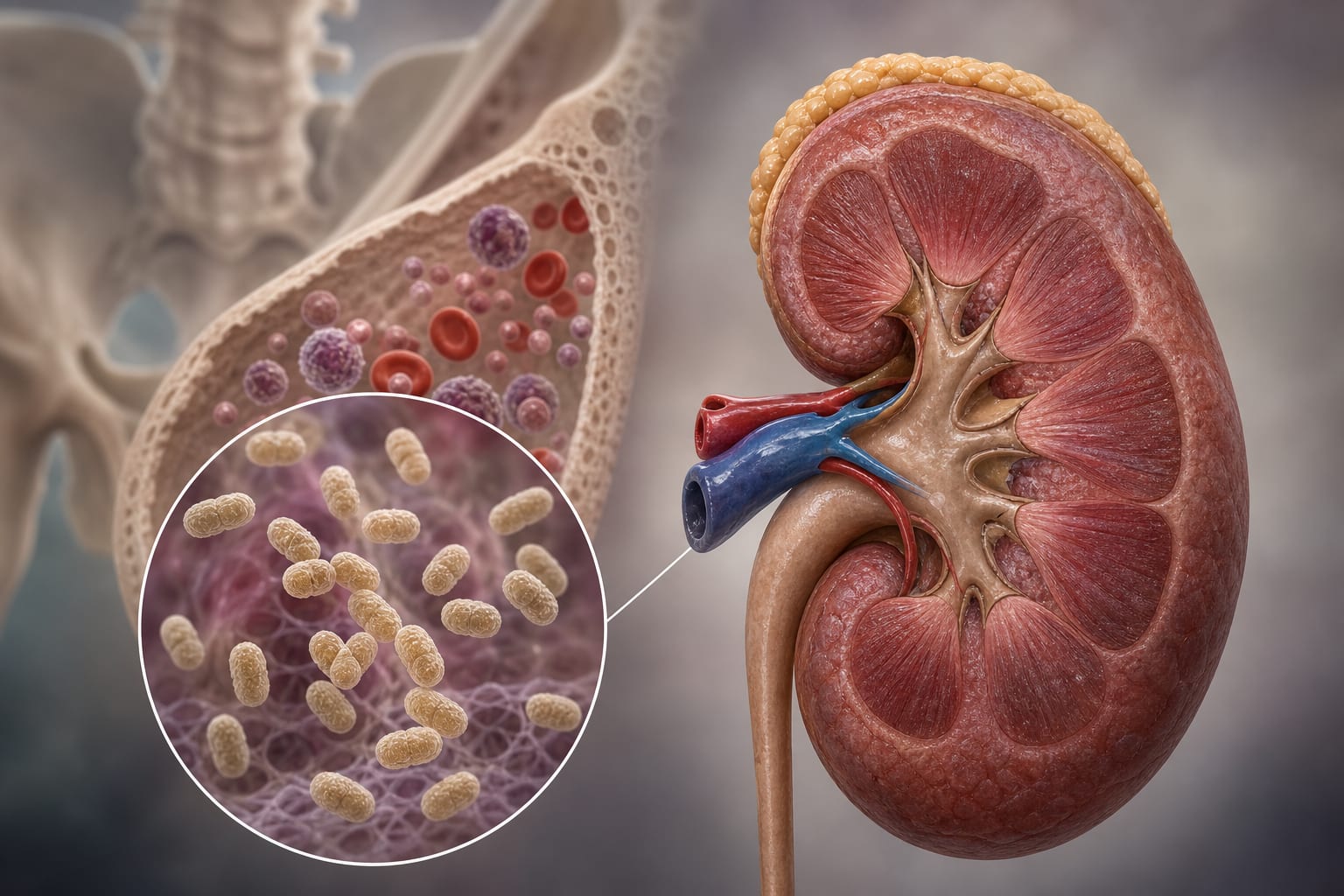
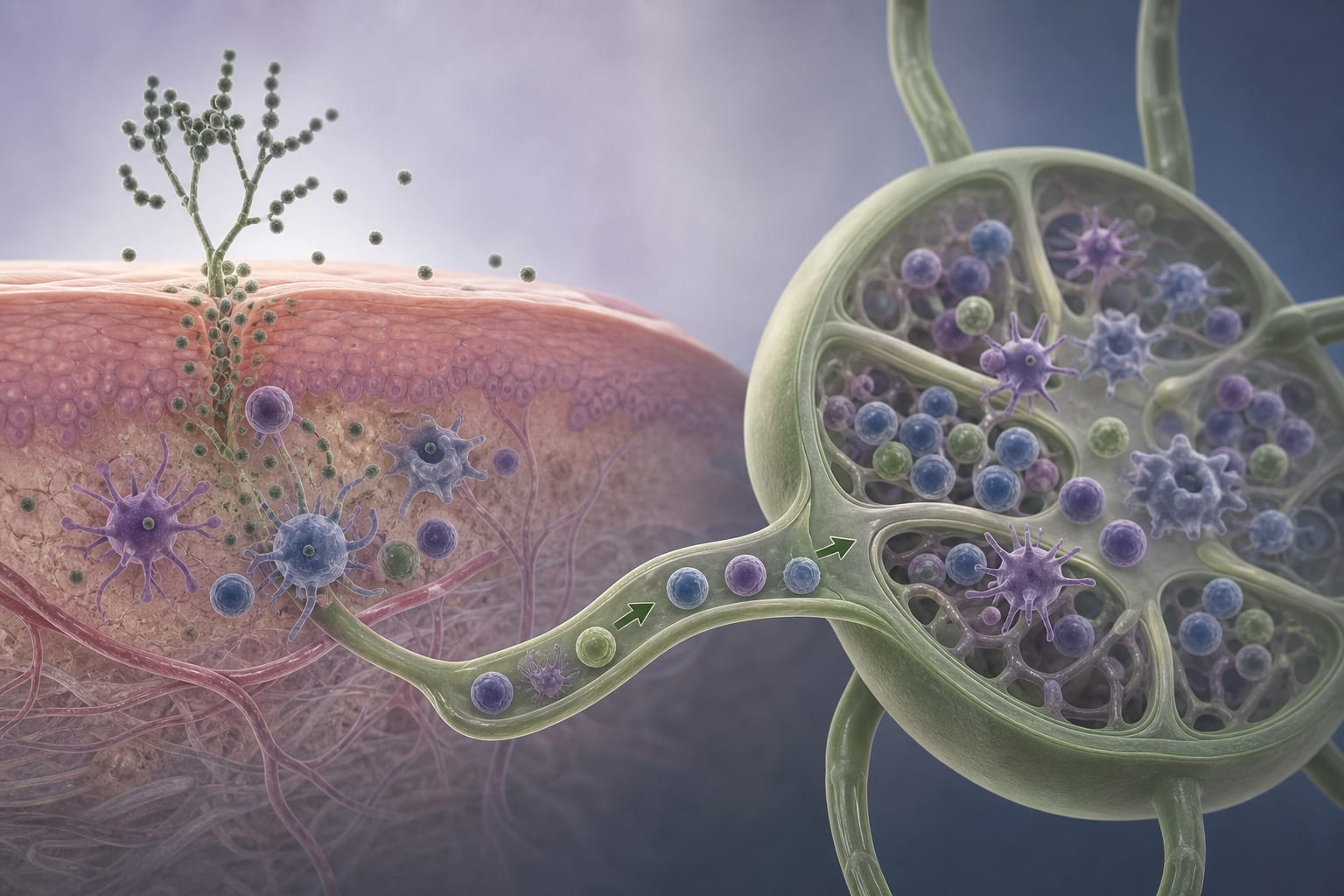
Clinical Scorecard: Brucellosis Complicated by Acute Kidney Injury and Pancytopenia: A Case Study and Literature Review
At a Glance
Category
Detail
Condition
Key Mechanisms
Infection by Brucella bacteria leading to multi-organ involvement, including acute kidney injury and rare complications such as haemophagocytic syndrome.
Target Population
Care Setting
Key Highlights
Brucellosis can present with atypical symptoms, including acute kidney injury and pancytopenia, necessitating a high index of suspicion.
The case emphasizes the importance of considering rare pathogens in unexplained fever, particularly in at-risk populations.
Combined anti-Brucella therapy and chemotherapy led to significant improvement in the patient's condition, highlighting the need for tailored treatment approaches.
Guideline-Based Recommendations
Diagnosis
Management
Monitoring & Follow-up
Regularly monitor renal function (e.g., serum creatinine, electrolytes) and complete blood counts (CBC) in patients with brucellosis.
Risks
Patient & Prescribing Data
Etoposide (VP-16) chemotherapy may be considered in severe cases with complications, particularly when traditional antimicrobial therapy is insufficient.
Clinical Best Practices
Conduct thorough history-taking to identify potential exposure to Brucella.
Utilize imaging and laboratory findings to support diagnosis and management.
Establish a follow-up care plan to monitor for potential long-term complications.