Clinical Scorecard: Children may value effort beyond achievement
At a Glance
Category
Detail
Condition
Nonclinical research topic: children’s preferences for learning from and interacting with peers who achieve success through personal effort versus external assistance.
Key Mechanisms
Mechanisms or clinical associations described in the source article.
Target Population
Patients or participants described in the source article.
Care Setting
Care setting described in the source article.
Key Highlights
Across two studies involving 220 children, participants generally preferred peers who achieved outcomes through personal effort over peers who received similar outcomes through external assistance.
In Study 2, children chose the striver for future information seeking in 84.1% of decisions, learning in 70%, and interpersonal choices in 75%; each preference exceeded chance.
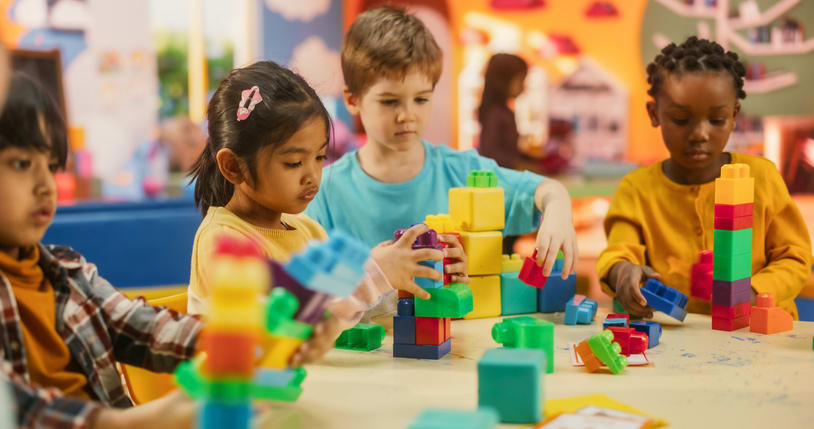
In Study 1, children selected the striver in 60.6% of Lego-related learning decisions and 57.6% of unfamiliar object-labeling decisions.
More desirable outcomes for the striver were associated with higher odds of selection, while the endowed peer’s outcome was not significantly associated with preferences.
The authors noted limitations including the Western, predominantly middle- to high-income sample and difficulty separating evaluations of effort from demonstrated competence.
Guideline-Based Recommendations
Diagnosis
Management
Monitoring & Follow-up
Risks
Generalizability may be limited because participants were recruited in a Western cultural setting that emphasizes individual achievement and personal effort.
The sample consisted predominantly of children from middle- to high-income households.
The scenarios could not fully distinguish evaluations of effort from perceptions of demonstrated competence.
Findings may be specific to the age range studied.
Patient & Prescribing Data
Not applicable; this was a study of children’s social and learning preferences, not a clinical treatment study.