Conexiant’s news site is now MDSpire News. Learn more
Advertisement
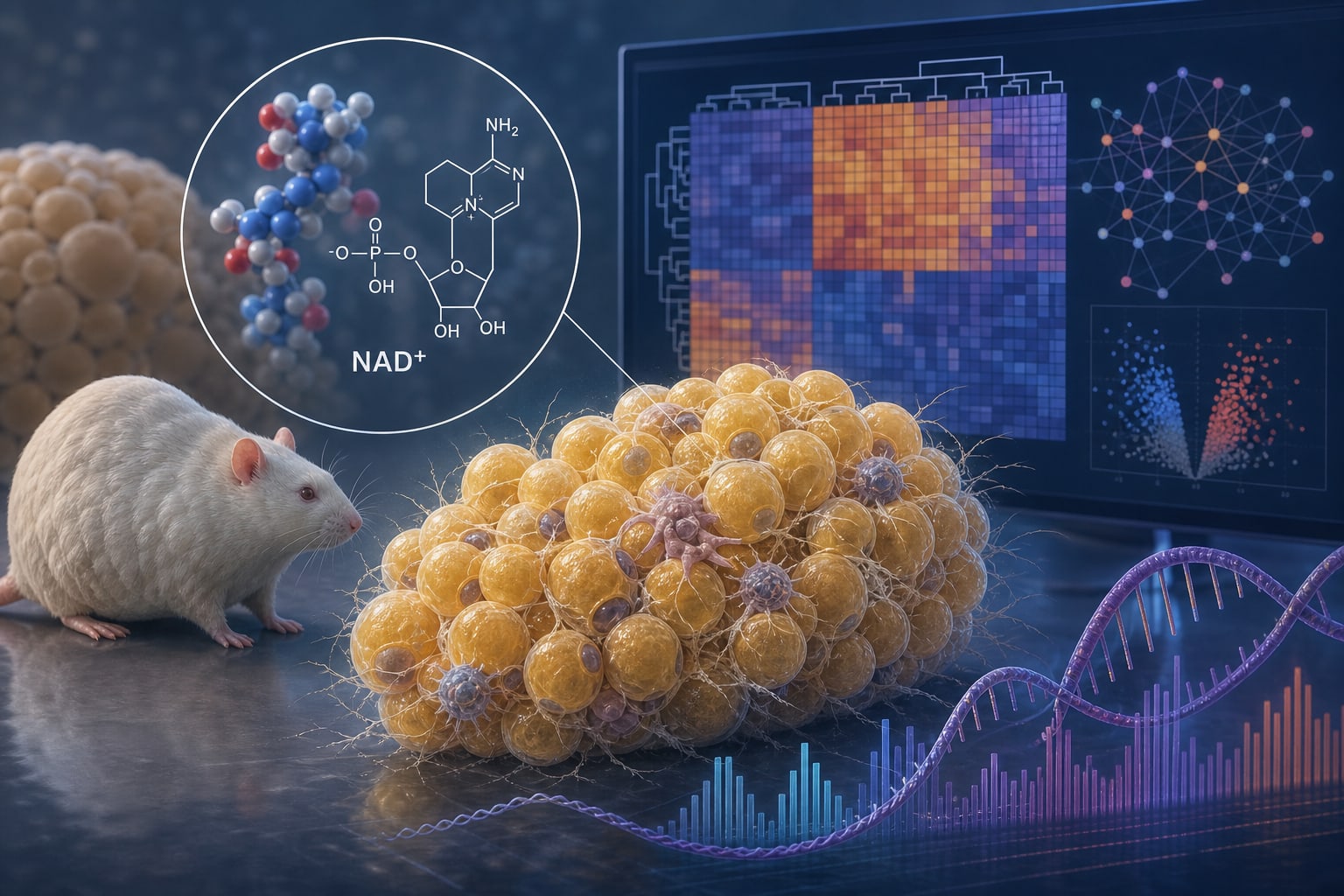
Comprehensive Bioinformatic Evaluation of NAD+-Related Protein-Coding Genes in Adipose Tissue Dysfunction: Insights from Targeted Transcriptomic Research in Rodents
Clinical Scorecard: Comprehensive Bioinformatic Evaluation of NAD+-Related Protein-Coding Genes in Adipose Tissue Dysfunction: Insights from Targeted Transcriptomic Research in Rodents
At a Glance
Category
Detail
Condition
Adipose Tissue Dysfunction
Key Mechanisms
NAD+/SIRT axis, gene expression modulation
Target Population
Rodents
Care Setting
Research and experimental investigation
Key Highlights
Identification of 113 unique NAD+-associated protein coding genes
Significant pathways include thermogenesis, PPAR signaling, AMPK signaling, and adipogenesis
Protein-protein interaction analysis revealed clusters related to thermogenesis, inflammation, and respiration
Links to nutritional and cardiometabolic diseases identified
Lack of studies employing global transcriptomic approaches noted
Guideline-Based Recommendations
Diagnosis
Management
Monitoring & Follow-up
Risks
Patient & Prescribing Data
Not applicable, study focused on rodent models
Potential targets for future experimental investigation identified
Clinical Best Practices
Conduct integrative functional bioinformatic analyses for comprehensive understanding
Explore both well-established and unexplored pathways in NAD+ research
Guideline recommends screening, diagnosis, positive airway pressure therapy, and postpartum reassessment while highlighting the very low certainty of available evidence.