Association between combined allergic rhinitis and asthma syndrome in children and nitric oxide: mechanisms, clinical significance, and research progress - Scorecard - MDSpire
Coming Soon: Introducing MDSpire News. Learn more
Conexiant’s news site is now MDSpire News. Learn more

Linking Combined Allergic Rhinitis and Asthma Syndrome in Pediatric Patients to Nitric Oxide: Insights into Mechanisms, Clinical Implications, and Research Developments

  • By

  • Kai Chen

  • Haonan Lin

  • August 21, 2026

Share

Clinical Scorecard: Linking Combined Allergic Rhinitis and Asthma Syndrome in Pediatric Patients to Nitric Oxide: Insights into Mechanisms, Clinical Implications, and Research Developments

At a Glance

CategoryDetail
ConditionCombined Allergic Rhinitis and Asthma Syndrome (CARAS)
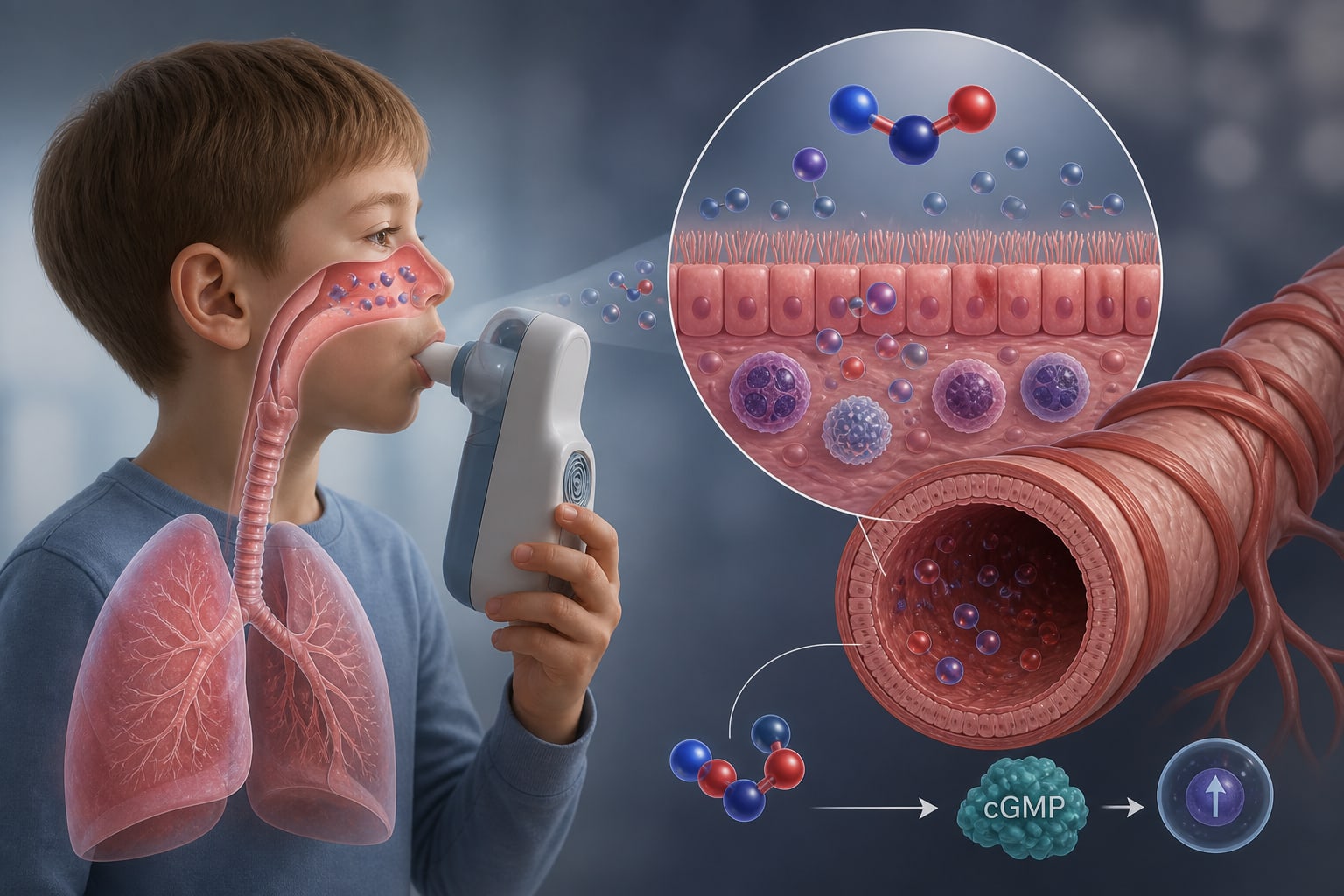
Key MechanismsNO/cGMP signaling pathway, nitrosative stress, organelle injury
Target PopulationPediatric patients with CARAS
Care SettingPediatric respiratory care

Key Highlights

  • CARAS is prevalent in children, with AR affecting 10%-30% and asthma 5%-15%.
  • FeNO and nNO are significant biomarkers for CARAS diagnosis and monitoring.
  • Th2-type immune inflammation is a key pathological feature of CARAS.
  • Traditional diagnostic methods are subjective and challenging in young children.
  • Nitric oxide plays a crucial role in airway inflammation and disease progression.

Guideline-Based Recommendations

Diagnosis

  • Utilize symptom-based scoring systems like ARIA and GINA.
  • Incorporate pulmonary function testing where feasible.

Management

  • Antihistamines and inhaled corticosteroids (ICS) are primary treatments.
  • Monitor exhaled nitric oxide levels to guide medication adjustments.

Monitoring & Follow-up

  • Regular assessment of FeNO and nNO levels to evaluate treatment response.

Risks

  • Prolonged ICS use may lead to adverse effects such as growth retardation.

Patient & Prescribing Data

Children diagnosed with CARAS

Conventional drugs relieve symptoms but do not cure the condition.

Clinical Best Practices

  • Focus on child-specific analysis of NO-related pathogenic mechanisms.
  • Integrate FeNO and nNO measurements for comprehensive assessment.

Related Resources & Content

Original Source(s)

Related Content