Ivermectin vs Permethrin for Scabies
Investigators evaluate household-level cure rates in dermoscopy-confirmed cases at day 28.
By
Kathryn Wighton
March 3, 2026
Clinical Scorecard: Ivermectin vs Permethrin for Scabies
At a Glance
Category Detail
Condition Scabies Key Mechanisms Topical 5% permethrin cream vs oral ivermectin Target Population Adults and children weighing more than 15 kg with classic scabies Care Setting Multicenter hospitals
Key Highlights
Permethrin demonstrated higher clinical cure rates than ivermectin at day 28. Cure rates: 88.5% for permethrin vs 71.8% for ivermectin. Study involved 1,092 participants across 28 hospitals in France. Children under 15 kg received permethrin regardless of group assignment. Adverse events were reported in 9.9% of ivermectin and 13.6% of permethrin cases. Guideline-Based Recommendations
Diagnosis
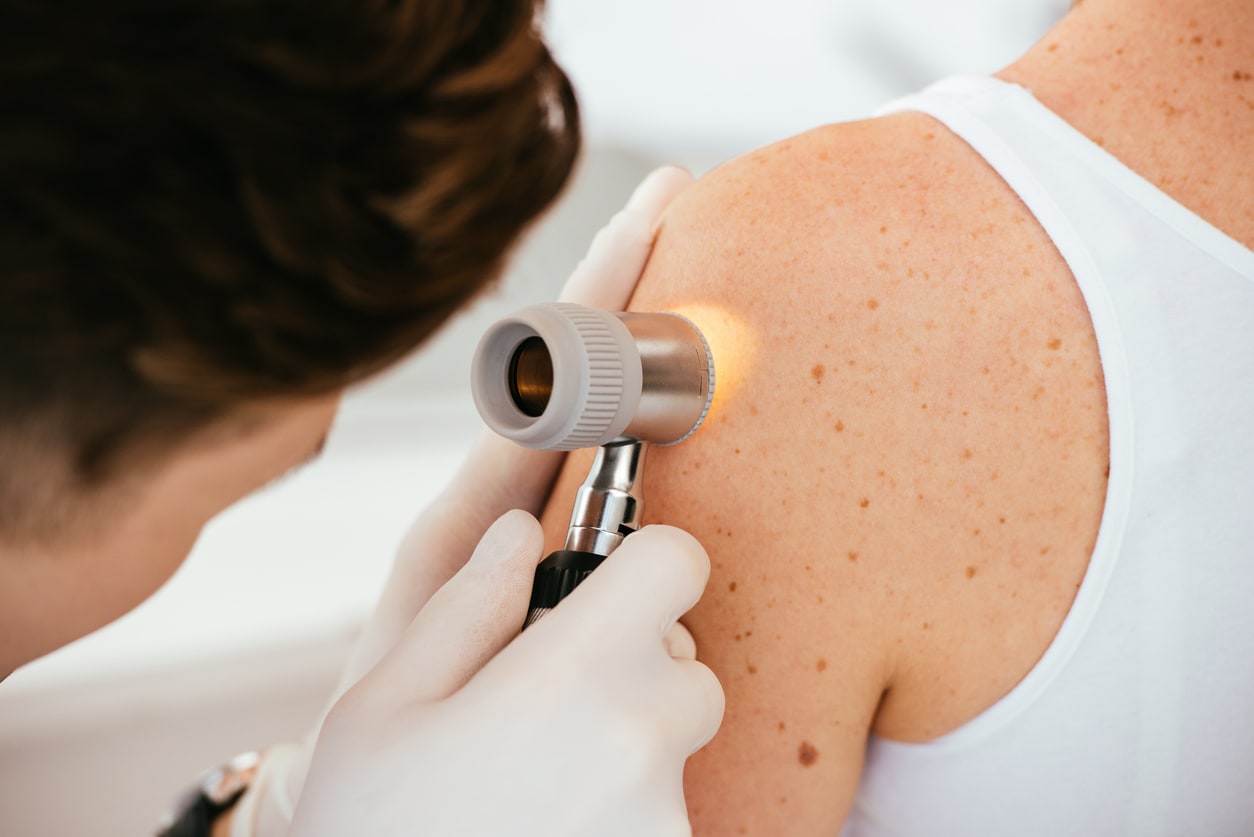
Dermoscopy-confirmed classic scabies. Management
Topical 5% permethrin is preferred over oral ivermectin. Monitoring & Follow-up
Assess for resolution of pruritus, burrows, and papules or vesicles. Risks
Potential for cutaneous adverse events with both treatments. Patient & Prescribing Data
Adults and children with classic scabies, excluding those with diffuse eczematization or extensive impetiginization.
Consider compliance, adherence, ease of use, and skin condition when prescribing.
Clinical Best Practices
Use topical permethrin for higher cure rates. Monitor for adverse events post-treatment. Consider patient-specific factors in treatment decisions. Related Resources & Content