Regional Differences in the Utilization of Low-Value Orthopedic Services in Medicare-Eligible Veterans
-
By
-
Sooyeon Song
-
Steven D. Pizer
-
Christine A. Yee
-
Samantha G. Auty
-
September 21, 2026
Clinical Scorecard: Regional Differences in the Utilization of Low-Value Orthopedic Services in Medicare-Eligible Veterans
At a Glance
| Category | Detail |
|---|
| Condition | Low-Value Orthopedic Services (LVSs) |
| Key Mechanisms | Defined as interventions offering little or no clinical benefit, targeted through federal policy initiatives. |
| Target Population | Veterans aged 65 years or older enrolled in traditional Medicare. |
| Care Setting | Orthopedic care within Medicare fee-for-service claims. |
Key Highlights
- Geographic variation in the use of orthopedic LVSs among Medicare-enrolled veterans.
- Weak correlations in utilization rates across different orthopedic LVSs.
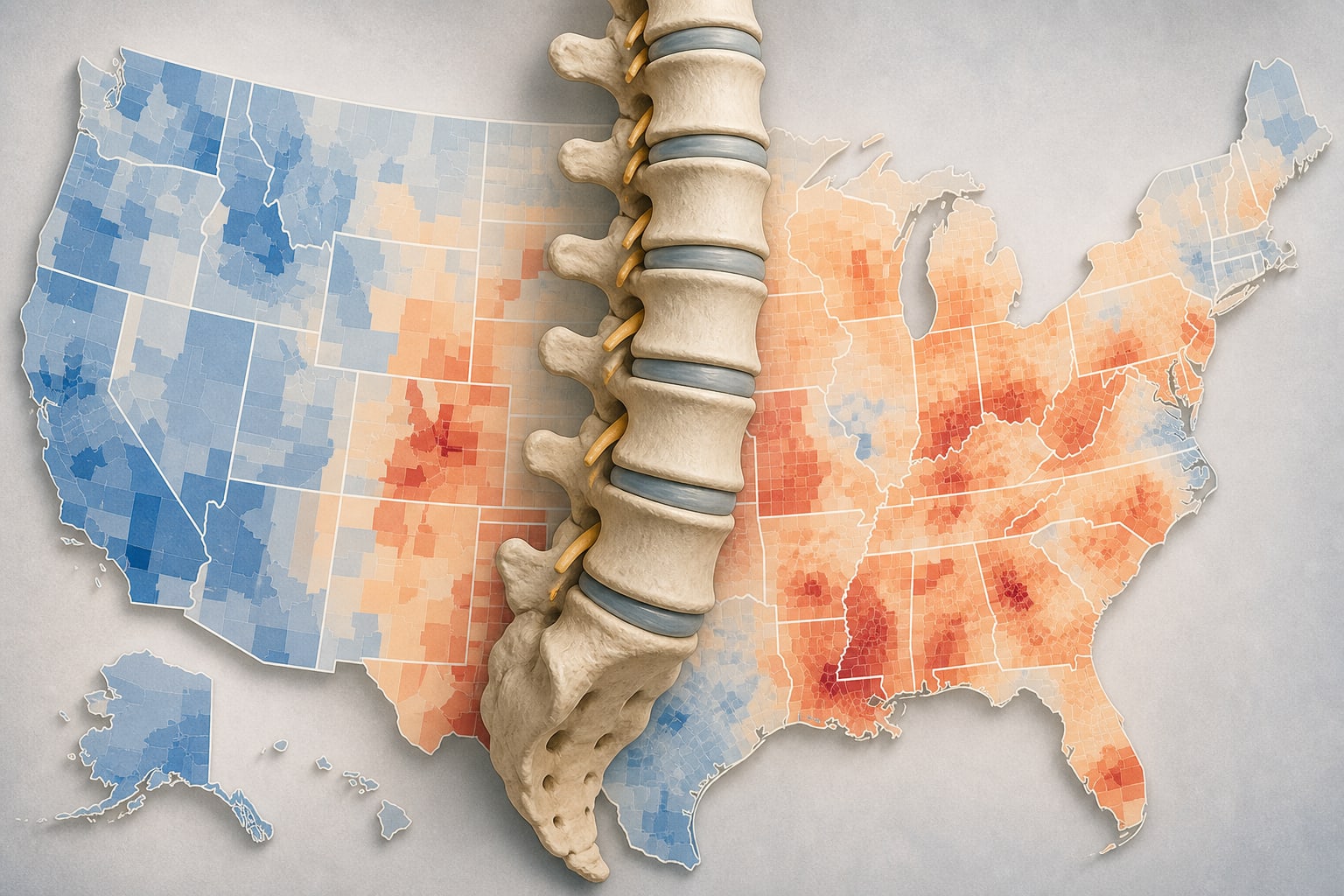
- Southern HRRs often had high rates of back imaging but low rates of spinal fusion.
- Spinal injections showed the greatest variation in utilization rates.
- Findings suggest that regional differences in orthopedic LVSs are procedure-specific.
Guideline-Based Recommendations
Diagnosis
Management
- Consider prior authorization or insurance network design to reduce orthopedic LVS.
Monitoring & Follow-up
Risks
- Potential for wasteful health care expenditures due to unnecessary LVS utilization.
Patient & Prescribing Data
Veterans aged 65 years or older with continuous Medicare enrollment.
Utilization rates for orthopedic LVSs varied significantly across hospital referral regions.
Clinical Best Practices
- Evaluate geographic variation in LVS use to inform policy interventions.
- Focus on procedure-specific patterns rather than general regional utilization.
Related Resources & Content