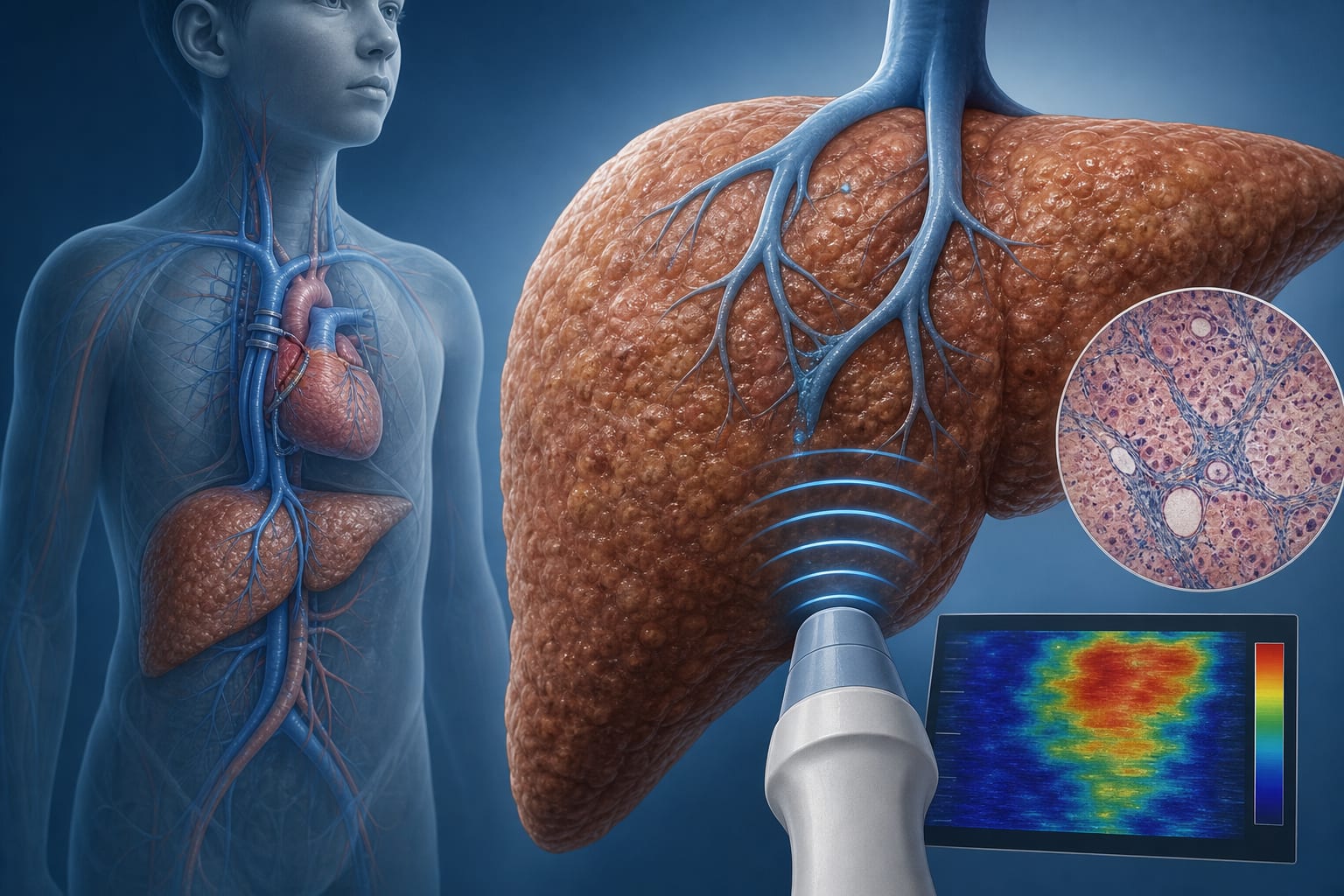
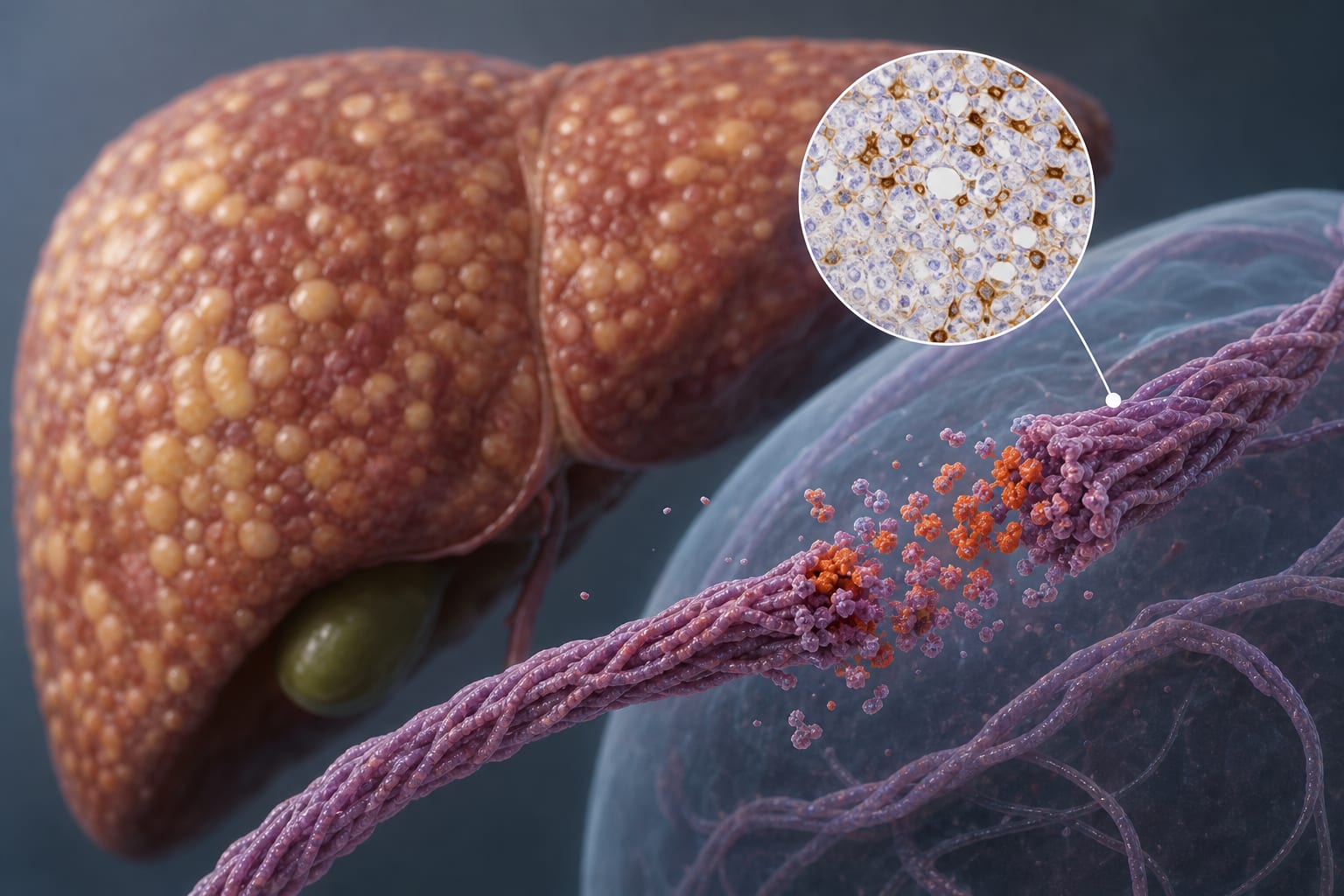
Macrophage Roles in MASLD: Exploring Inflammatory and Metabolic Interactions and the Impact of Exercise Interventions
Clinical Scorecard: Macrophage Roles in MASLD: Exploring Inflammatory and Metabolic Interactions and the Impact of Exercise Interventions
At a Glance
| Category | Detail |
|---|
| Condition | Metabolic dysfunction-associated steatotic liver disease (MASLD) |
| Key Mechanisms | Hepatic macrophages contribute to MASLD pathogenesis through inflammation, insulin resistance, and fibrosis. |
| Target Population | Individuals with metabolic dysfunction and hepatic steatosis. |
| Care Setting | Clinical management of metabolic liver diseases. |
Key Highlights
- MASLD is a spectrum of liver diseases ranging from steatosis to metabolic dysfunction-associated steatohepatitis (MASH).
- Hepatic macrophages play a central role in the pathogenesis of MASLD.
- Exercise interventions can modulate macrophage polarization and improve metabolic outcomes.
- Lifestyle changes, particularly exercise, are highlighted as promising non-pharmacological strategies.
- The review integrates evidence on the interplay between liver, adipose tissue, and skeletal muscle in MASLD.
Guideline-Based Recommendations
Diagnosis
- Diagnosis of MASLD should consider the clinical spectrum from steatosis to MASH.
Management
- Lifestyle interventions, especially exercise, should be considered in the management of MASLD.
Monitoring & Follow-up
- Monitor for progression from steatosis to MASH and associated complications such as cirrhosis and HCC.
Risks
- Patients with MASLD are at risk for developing MASH, cirrhosis, and hepatocellular carcinoma.
Patient & Prescribing Data
Patients with metabolic dysfunction and associated liver disease.
Exercise has been shown to re-polarize macrophages and improve liver health.
Clinical Best Practices
- Incorporate exercise as a key component of lifestyle interventions for MASLD.
- Assess the inflammatory and metabolic status of patients with MASLD regularly.
Related Resources & Content