Effects of repetitive transcranial magnetic stimulation on upper limb motor recovery after stroke: an overview of systematic reviews - Scorecard - MDSpire
Advertisement
Effects of repetitive transcranial magnetic stimulation on upper limb motor recovery after stroke: an overview of systematic reviews
Clinical Scorecard: Impact of repetitive transcranial magnetic stimulation on recovery of upper limb motor function following stroke: a comprehensive review of systematic analyses
At a Glance
Category
Detail
Condition
Key Mechanisms
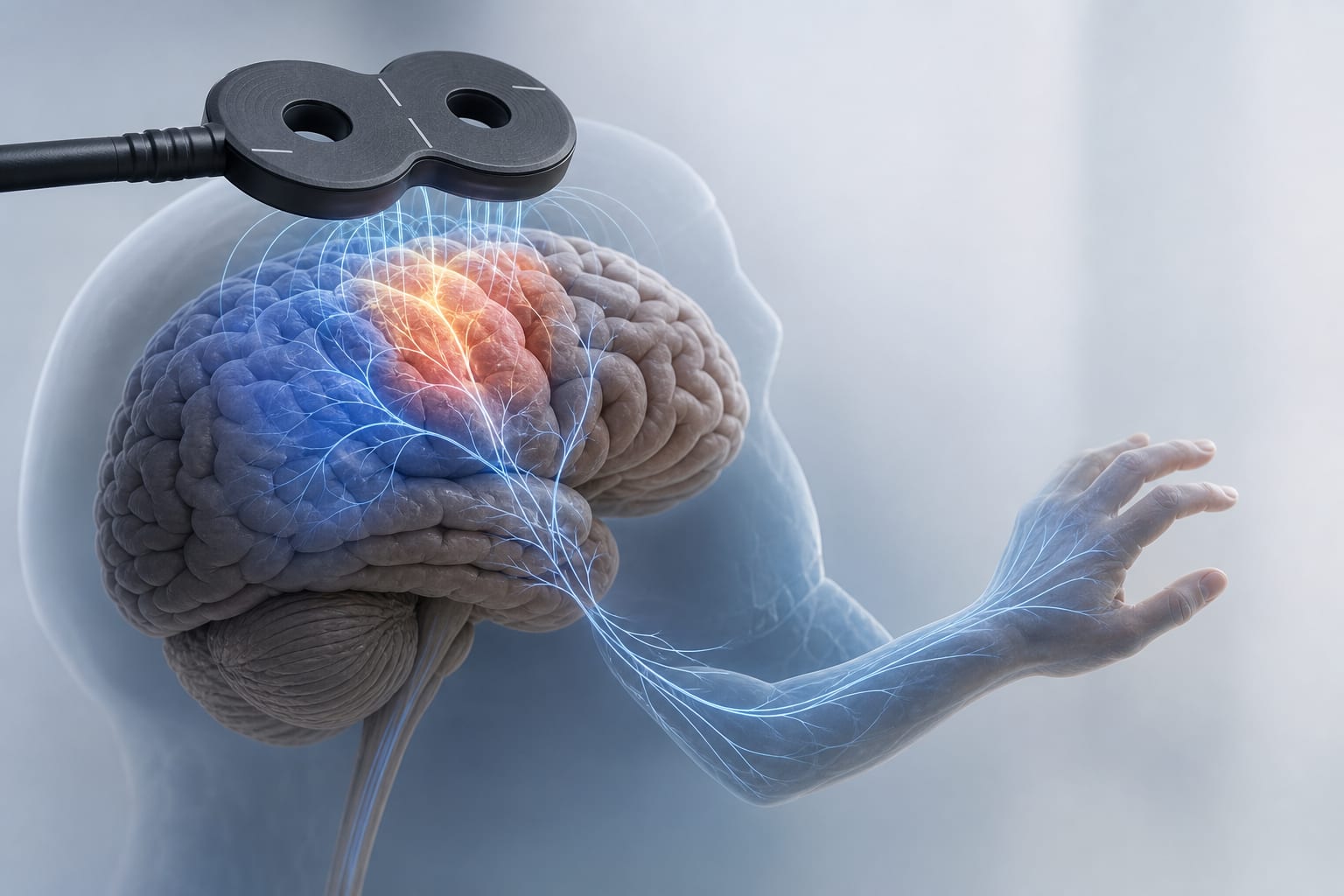
Repetitive transcranial magnetic stimulation (rTMS) modulates cortical excitability, potentially enhancing motor recovery through targeted stimulation protocols.
Target Population
Care Setting
Key Highlights
17 meta-analyses/systematic reviews evaluated.
High certainty of evidence for 13 outcome indicators, indicating strong support for rTMS in clinical settings.
Moderate certainty for 47, low for 91, and very low for 71 indicators, highlighting the need for cautious interpretation.
Methodological rigor and reporting quality were suboptimal, suggesting improvements are necessary.
Need for rigorous standards and MRI-derived biomarkers in future research to enhance evidence quality.
Guideline-Based Recommendations
Diagnosis
Management
Monitoring & Follow-up
Evaluate the effectiveness of rTMS on upper limb function using standardized assessment tools and adjust treatment as necessary.
Risks
Patient & Prescribing Data
rTMS may improve muscle strength and fine motor coordination, but evidence quality is variable, necessitating careful consideration in treatment planning.
Clinical Best Practices
Adopt rigorous methodological standards in systematic reviews, such as AMSTAR-2 criteria.
Utilize transparent reporting practices in clinical research, including adherence to PRISMA guidelines.
Integrate MRI-derived biomarkers to enhance evidence quality and tailor interventions.