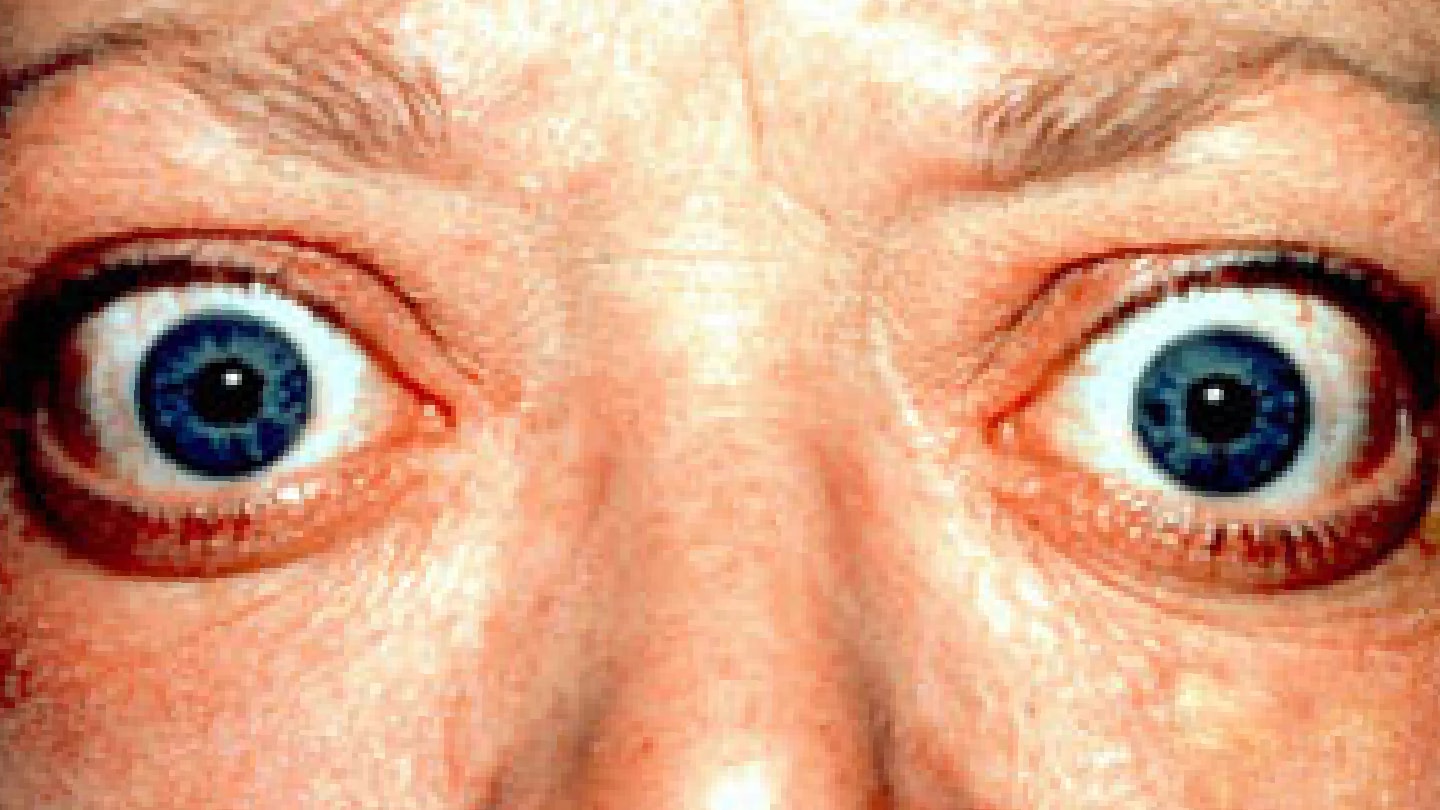
Layer-Specific Corneal Changes in TED
TVST study identifies diffuse stromal thinning in patients with thyroid eye disease
Clinical Scorecard: Layer-Specific Corneal Changes in TED
At a Glance
| Category | Detail |
|---|
| Condition | Thyroid Eye Disease (TED) |
| Key Mechanisms | Autoimmune-mediated extracellular matrix remodeling within the stroma |
| Target Population | Patients with inactive TED |
| Care Setting | Ophthalmology |
Key Highlights
- Diffuse, sector-wide corneal stromal thinning observed in TED without epithelial changes
- Significant reduction in central corneal stromal thickness (CST) in TED eyes compared to controls
- Anterior corneal shape remains largely preserved in inactive TED
- Pachymetric analysis reveals consistent thinning across most corneal sectors
- Study suggests layer-specific corneal assessment is crucial in TED management
Guideline-Based Recommendations
Diagnosis
- Utilize spectral-domain OCT and dual Scheimpflug imaging for corneal assessment
Management
- Consider implications of stromal thinning for refractive surgery planning and IOP interpretation
Monitoring & Follow-up
- Regularly assess corneal thickness and structure in patients with TED
Risks
- Potential biomechanical instability due to stromal thinning
Patient & Prescribing Data
Patients with inactive thyroid eye disease
Layer-specific changes may influence treatment and surgical decisions
Clinical Best Practices
- Incorporate advanced imaging techniques for comprehensive corneal evaluation
- Monitor corneal structural changes in TED patients to guide management
References