New Technologies and Best Practices for In-Office YAG
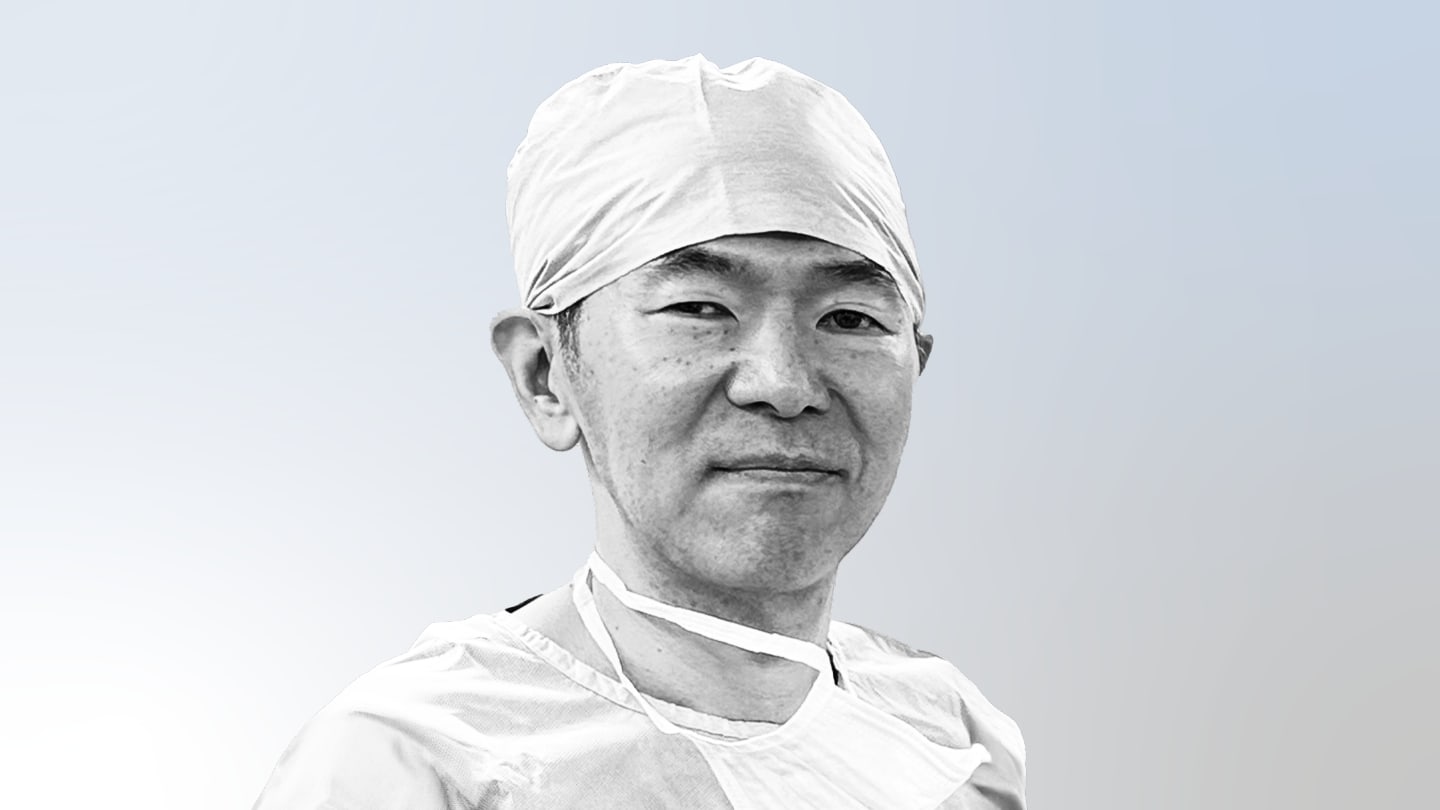
Nicholas R. Green, OD, MPH, FAAO, presents clinical pearls on YAG Capsulotomy at Optometry's Meeting 2026.
Clinical Scorecard: New Technologies and Best Practices for In-Office YAG
At a Glance
| Category | Detail |
|---|
| Condition | YAG Capsulotomy |
| Key Mechanisms | Uses plasma microexplosion to create shockwaves that dissect opacified posterior capsule tissue. |
| Target Population | Cataract patients requiring YAG capsulotomy due to posterior capsule opacification. |
| Care Setting | In-office laser procedures by optometrists. |
Key Highlights
- Approximately half of cataract patients will require YAG capsulotomy.
- Indications include symptomatic vision loss and preparation for LASIK enhancement.
- Contraindications include cystoid macular edema and ongoing anti-VEGF therapy.
- Initial laser settings depend on opacification density.
- Patient selection is key to procedural success.
Guideline-Based Recommendations
Diagnosis
- Document pupil size under photopic and mesopic conditions.
Management
- Fully dilate the pupil with tropicamide and phenylephrine before treatment.
- Consider prescribing topical steroids BID-QID and antiglaucoma drops if needed.
Monitoring & Follow-up
- Postoperative follow-up at 1 week if steroids prescribed, or at 1 month for dilated fundus exam.
Risks
- Potential complications include intraocular lens pitting, increased floaters, and retinal detachment.
Patient & Prescribing Data
Cataract patients with posterior capsule opacification.
Initial laser settings should be adjusted based on opacification density.
Clinical Best Practices
- Stay informed about current evidence and emerging technologies.
- Utilize a continuous ascending linear shot pattern for improved outcomes.
Related Resources & Content