Clinical and pathological characteristics, diagnosis, and surgical treatment of uterine angioleiomyoma: a retrospective cohort study - Scorecard - MDSpire
Advertisement
Clinical and pathological characteristics, diagnosis, and surgical treatment of uterine angioleiomyoma: a retrospective cohort study
Clinical Scorecard: Clinical Features, Diagnostic Approaches, and Surgical Interventions for Uterine Angioleiomyoma: Insights from a Retrospective Cohort Analysis
At a Glance
Category
Detail
Condition
Key Mechanisms
Highly vascular nature increases risk of intraoperative bleeding; mechanisms for postoperative recurrence remain unclear and require further investigation.
Target Population
Care Setting
Key Highlights
Only one case preoperatively suspected as ALM; most diagnosed postoperatively.
Median intraoperative blood loss varied significantly by surgical approach.
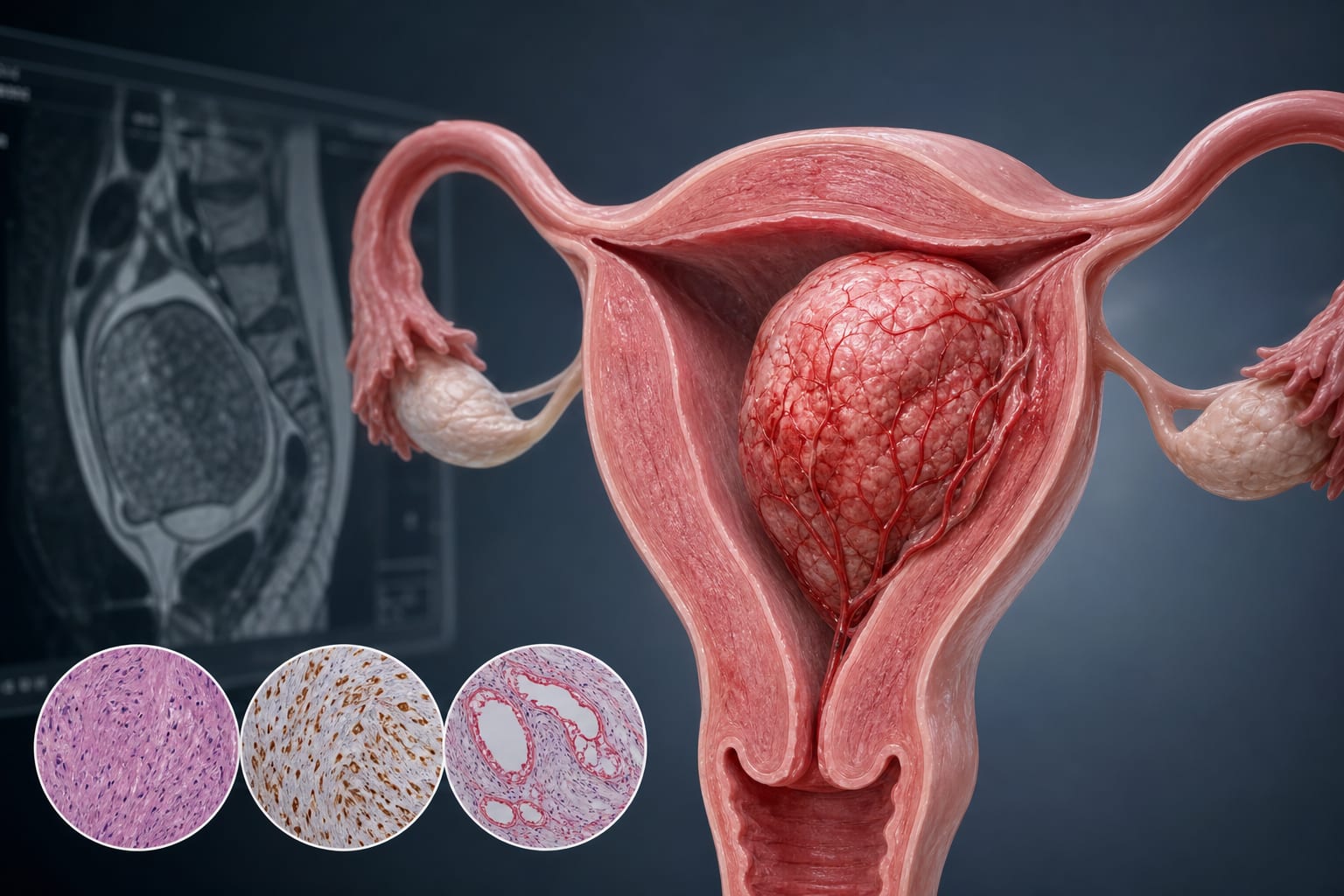
Pathological analysis revealed common, degenerative, and cellular types of ALM.
1 case of recurrence observed among 19 patients during follow-up.
These 10 states reported physician residency completion totals, physician retention rates, or residency Match fill rates identified in graduate medical education data.