The role of lysophosphatidic acid metabolism in castration-resistant prostate cancer progression
-
By
-
Jinpeng Feng
-
Jiale Liu
-
Yi He
-
May 22, 2026
-
Clinical Scorecard: Metabolic Pathways of Lysophosphatidic Acid in the Advancement of Castration-Resistant Prostate Cancer
At a Glance
| Category | Detail |
|---|
| Condition | Castration-Resistant Prostate Cancer (CRPC) |
| Key Mechanisms | Lysophosphatidic acid (LPA) promotes CRPC progression through proliferation, survival, invasion, therapy resistance, and tumor microenvironment remodeling. |
| Target Population | Men diagnosed with prostate cancer, particularly those progressing to CRPC. |
| Care Setting | Oncology and urology clinics. |
Key Highlights
- CRPC is characterized by limited treatment options and poor prognosis.
- LPA is implicated in the metabolic reprogramming associated with CRPC.
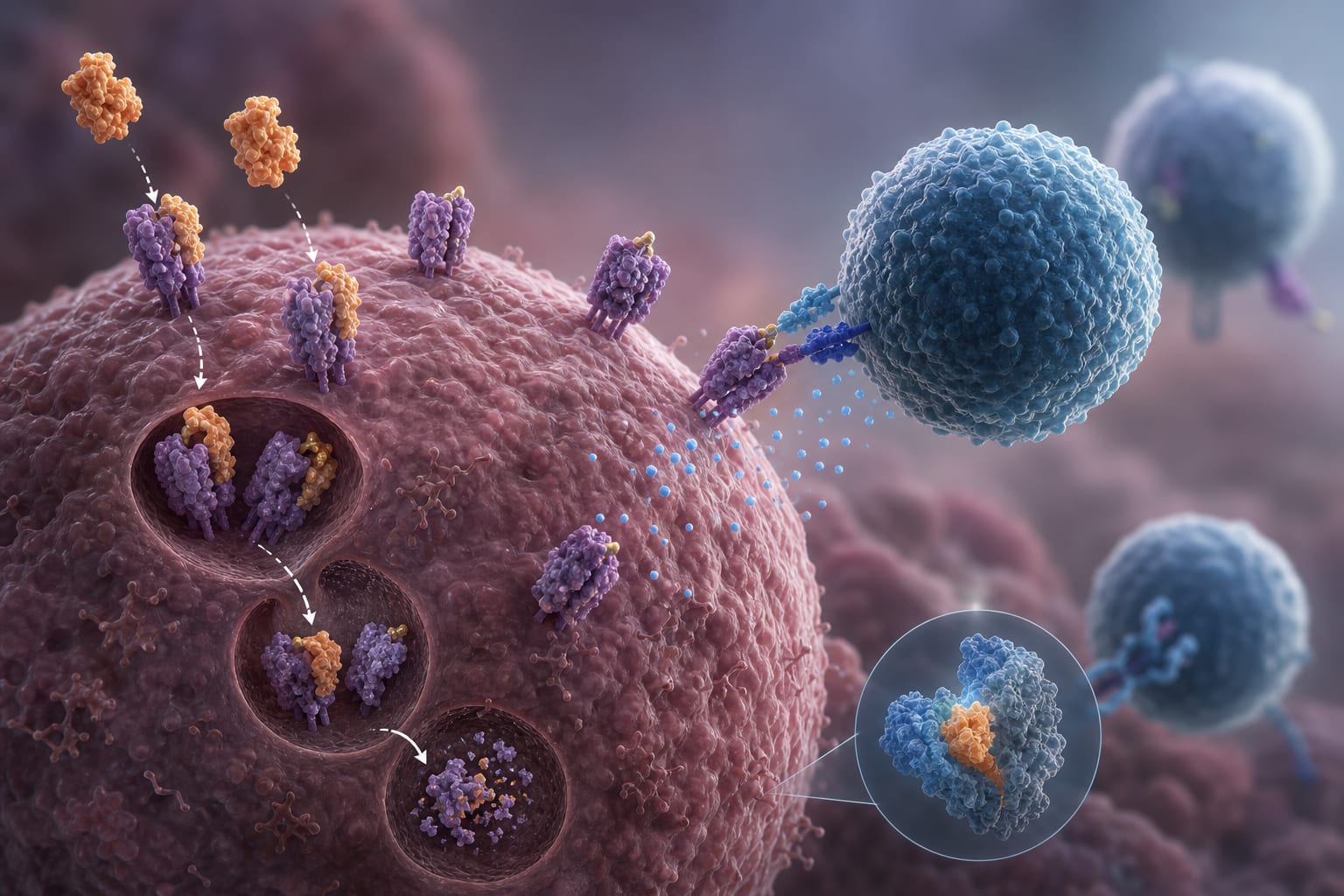
- LPA engages specific receptors to activate signaling pathways that sustain cancer cell proliferation.
- Dysregulation of LPA metabolism is linked to cancer progression and metastasis.
- Targeting the LPA signaling pathway presents potential therapeutic strategies for CRPC.
Guideline-Based Recommendations
Diagnosis
- CRPC is defined as prostate cancer progressing after complete androgen blockade.
Management
- Consider targeting the LPA signaling pathway as a novel therapeutic strategy.
Monitoring & Follow-up
- Monitor for signs of disease progression and treatment resistance in CRPC patients.
Risks
- CRPC transformation is associated with increased invasiveness and metastatic potential.
Patient & Prescribing Data
Patients with advanced prostate cancer, particularly those who have developed CRPC.
Initial therapies include androgen deprivation therapy (ADT) and antiandrogen drugs, with most patients developing resistance.
Clinical Best Practices
- Elucidate molecular mechanisms underlying CRPC transformation.
- Assess LPA levels and signaling pathways in prostate cancer patients.
- Explore metabolic reprogramming as a target for therapeutic intervention.
Related Resources & Content