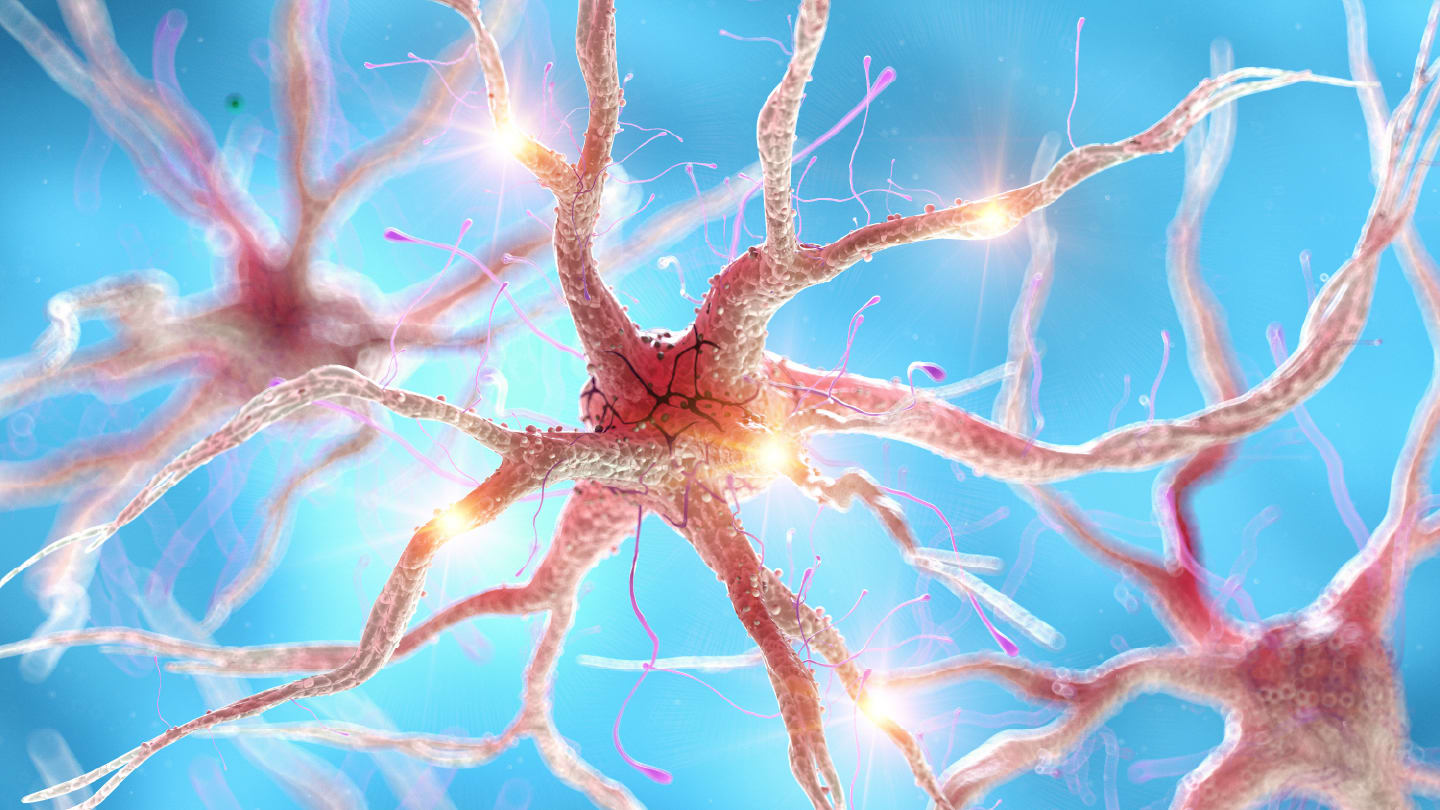
Clinical Scorecard: A New Approach for Chronic Pelvic Pain
At a Glance
| Category | Detail |
|---|---|
| Condition | Chronic prostatitis/chronic pelvic pain syndrome (CP/CPPS), associated with persistent pelvic pain, urinary difficulties, and sexual dysfunction. |
| Key Mechanisms | The review describes possible interactions among prostate inflammation, pelvic and central pain processing, immune activity, metabolism, and gut microbiota. |
| Target Population | People with CP/CPPS; the article does not specify age, sex, or other eligibility criteria. |
| Care Setting | Diagnostic and treatment context for CP/CPPS; the review discusses potential personalized approaches, but candidate biomarkers and imaging techniques are not yet validated for reliably distinguishing subtypes. |
Key Highlights
- CP/CPPS diagnosis is challenging because symptoms vary and reliable laboratory biomarkers are lacking.
- Persistent inflammation may sensitize pelvic nerves and alter central pain processing, potentially contributing to symptoms that continue after local inflammation subsides.
- Candidate diagnostic approaches discussed include inflammatory biomarkers in expressed prostatic secretions, multiparametric MRI, microbiome analysis, and symptom-based assessment tools.
- Potential treatment strategies include neuromodulation, interventions targeting inflammatory and metabolic pathways, microbiota-directed treatments, and integrated psychological support.
- Much of the evidence comes from small observational studies, genetic analyses, or preclinical experiments; prospective studies and clinical trials are needed.
Guideline-Based Recommendations
Diagnosis
- The authors argue for a comprehensive diagnostic approach that considers nervous-system, immune, metabolic, and gut-microbiota processes rather than viewing CP/CPPS solely as a prostate disorder.
- The review discusses candidate biomarkers, multiparametric MRI, microbiome analysis, and symptom-based tools as possible components of a personalized diagnostic pathway; these approaches cannot yet reliably distinguish CP/CPPS subtypes.
Management
- The review identifies neuromodulation, interventions targeting inflammatory and metabolic pathways, microbiota-directed treatments, and integrated psychological support as potential therapeutic strategies.
- The authors propose identifying mechanisms driving an individual patient's symptoms to inform treatment selection rather than relying on empirical therapy; the review does not establish this approach as validated.
Monitoring & Follow-up
- The article does not provide specific monitoring recommendations.
- The authors call for prospective studies and clinical trials to validate biomarkers, establish clinically meaningful patient subgroups, and assess whether mechanism-guided treatment improves outcomes.
Risks
- Symptoms vary widely, and reliable laboratory biomarkers are lacking, making diagnosis challenging.
- Candidate biomarkers and imaging techniques cannot yet reliably distinguish CP/CPPS subtypes.
- The evidence base is limited, with much of the supporting research from small observational studies, genetic analyses, or preclinical experiments.
Patient & Prescribing Data
People with chronic prostatitis/chronic pelvic pain syndrome; the article provides no specific demographic or prescribing criteria.
Potential strategies discussed include neuromodulation, targeting inflammatory and metabolic pathways, microbiota-directed treatments, and integrated psychological support. The review does not provide drug regimens, doses, or prescribing instructions.
Clinical Best Practices
- Consider the review's proposed interactions among nervous-system, immune, metabolic, and gut-microbiota processes when assessing CP/CPPS.
- Interpret candidate biomarkers and imaging approaches cautiously because they are not yet reliable for distinguishing subtypes.
- Recognize that the proposed mechanism-guided diagnostic and treatment pathway requires validation in prospective studies and clinical trials.
Related Resources & Content
Based on findings from:
A New Approach for Chronic Pelvic Pain
The Pathologist, 2026.
https://www.thepathologist.com/issues/2026/articles/november/a-new-approach-for-chronic-pelvic-pain/
This content is an AI-generated, fully rewritten summary based on a published scholarly article. It does not reproduce the original text and is not a substitute for the original publication. Readers are encouraged to consult the source for full context, data, and methodology.