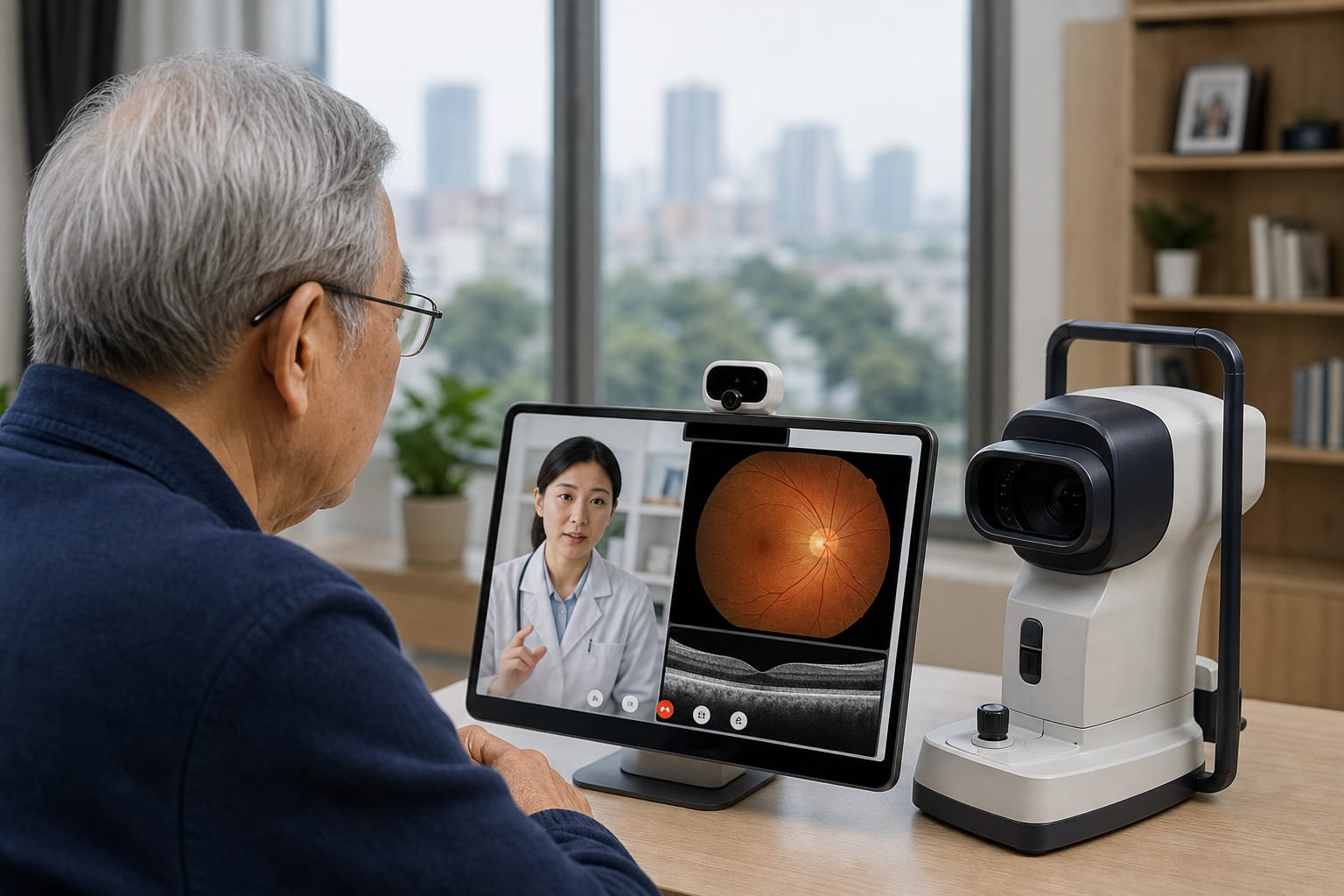
Clinical Scorecard: Evaluating the Impact of Smart Healthcare on the Health of Older Adults: Insights from China's Smart City Initiative—A Quasi-Natural Experiment
At a Glance
Category
Detail
Condition
Health of Older Adults
Key Mechanisms
Integration of digital technology with healthcare services, including IoT, big data, and AI.
Target Population
Older adults aged 60 and above in China.
Care Setting
Smart healthcare environments within smart cities.
Key Highlights
Smart healthcare improves healthcare access and utilization among older adults.
Digital technologies enhance chronic disease management and monitoring.
Wearable devices support real-time health monitoring and behavioral interventions.
Smart healthcare fosters social connections, alleviating loneliness and depressive symptoms.
The Healthy China 2030 Plan emphasizes the health of older adults as a national priority.
Guideline-Based Recommendations
Diagnosis
Utilize smart wearables for continuous monitoring of critical health indicators.
Management
Implement big data-driven personalized management platforms for treatment adherence.
Monitoring & Follow-up
Encourage the use of online health communities for mental health support.
Risks
Address potential disparities in access to smart healthcare technologies among different elderly subgroups.
Patient & Prescribing Data
Elderly individuals aged 60 and above.
Smart healthcare technologies can significantly enhance self-rated health outcomes.
Clinical Best Practices
Integrate online and offline healthcare resources to optimize service utilization.
Employ intelligent triage systems to improve healthcare resource allocation.
Encourage physical activity through wearable device feedback.